
Discover science
Top 7 works that changed the world of Albert Einstein
Albert Einstein (1879-1955) was one of the most famous scientists of all time, to the point that his name has become almost synonymous with the phrase
Browse ScienceInfo articles and explainers related to Wave.
1,097 published items.
Albert Einstein (1879-1955) was one of the most famous scientists of all time, to the point that his name has become almost synonymous with the phrase

The sound of ocean waves, the murmur of a stream, the patter of rain - many people say that these sounds of water help them fall asleep easily. Why is that?
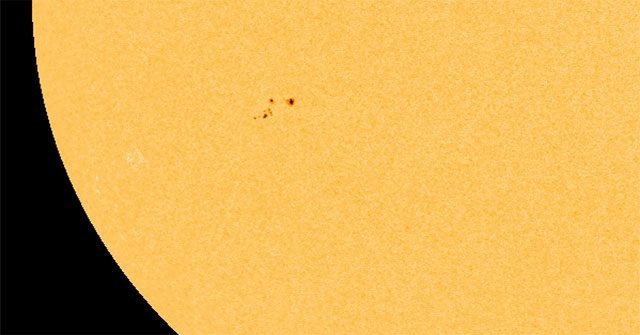
The brightest celestial body in Earth's sky is
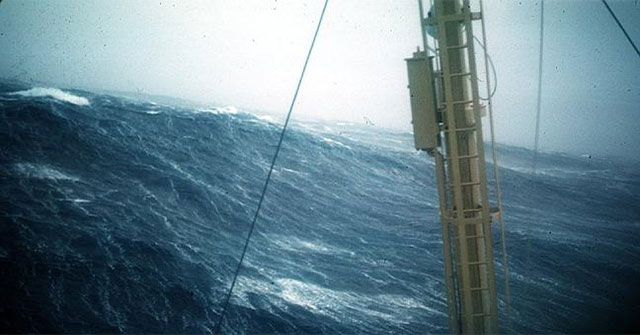
This is a strait that always suffers terrible storms that create big waves, plus icebergs, creating a nightmare for any sailor passing through.

Scientists have just made a surprising new discovery: The Earth's inner core is not only changing its rotation speed, but may also be deforming.
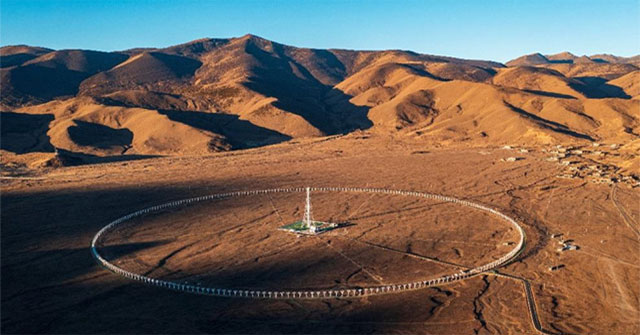
China is in the process of building the world's largest fully steerable radio telescope, located in Huadian City, Jilin Province, northeastern China.
New research opens up ways to improve sensors as well as quantum computing.
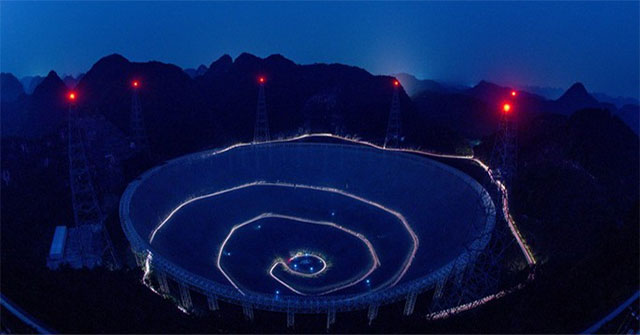
The FAST super telescope located in Guizhou - China has found the first evidence of a type of cosmic signal that can help humanity reach supermassive objects.
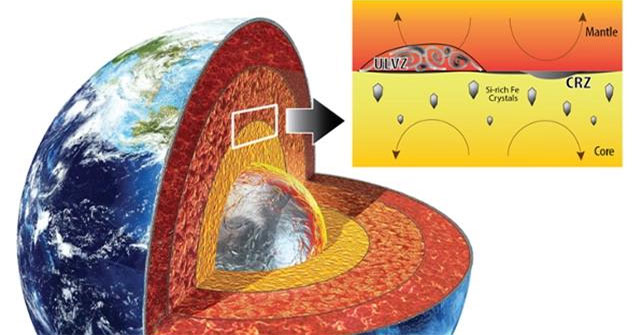
Strange signals from deep inside the Earth have helped scientists identify a utopian world 3,000km below the surface, where silicon-rich snow is falling.

A scientific study offers advice in the event of a nuclear disaster, including the worst places to take shelter.
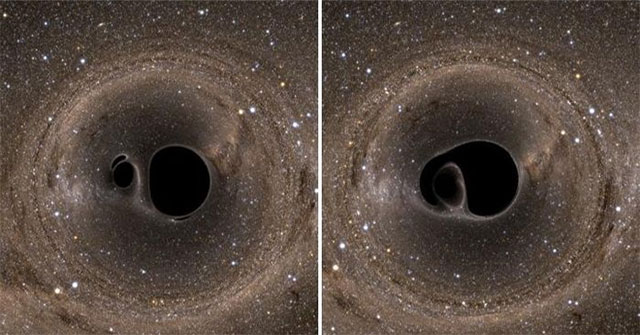
Scientists can now know what is going on inside a black hole and part of how this celestial body works.
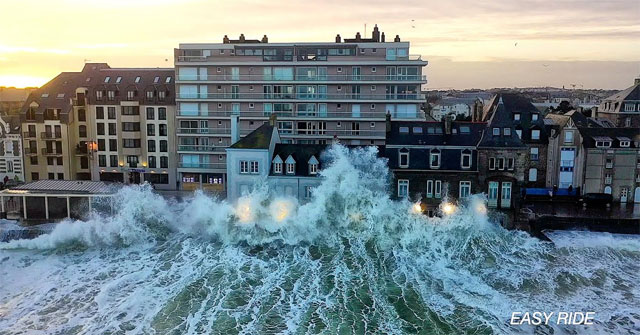
This is where the highest afternoon waves in Europe are witnessed, which usually last for half a year from March to September.

Acoustic lasers are created by manipulating phonons, and have great potential for applications in medicine and deep-sea exploration.

The unexpected phenomenon that occurred within a few seconds surprised and frightened tourists.
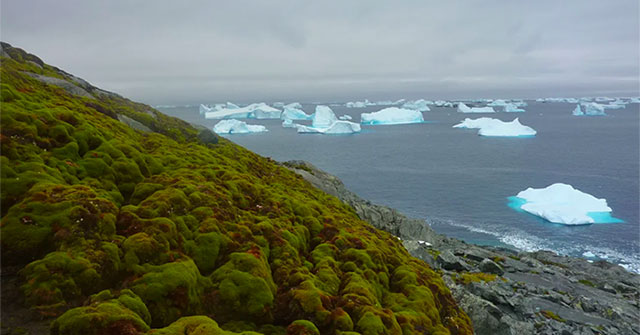
Some icy regions of Antarctica are forming lush green vegetation at an alarming rate as the region is also hit by heatwaves.