New technology
Flexible Wires: The New Future of Mobile Devices
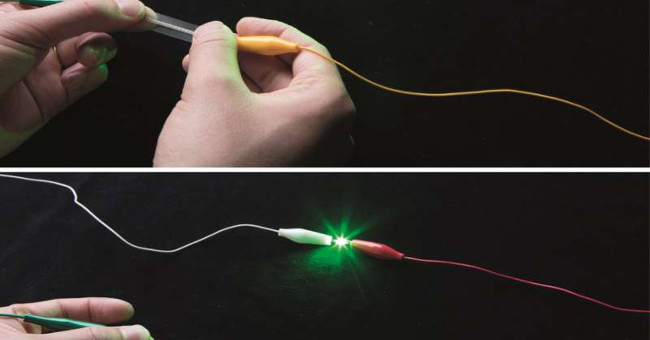
Flexible wire of Japanese scientists can extend up to 5 times the original size. Especially it keeps the ability to conduct electricity well.
Browse ScienceInfo articles and explainers related to Wire.
98 published items.
Flexible wire of Japanese scientists can extend up to 5 times the original size. Especially it keeps the ability to conduct electricity well.

Stanford scientists created a three-atom-wide wire with self-aligning diamond crystals.
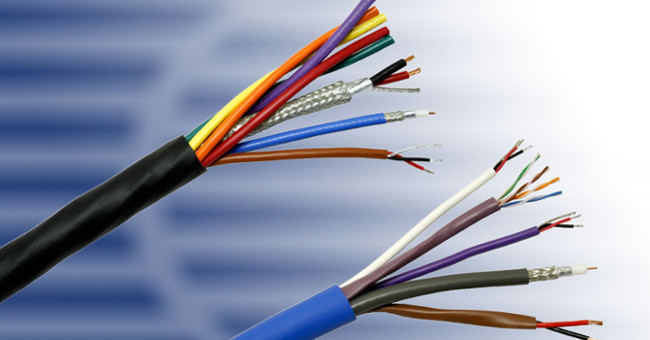
Microbiologists at the University of Massachusetts Amherst have found a way to make the wire a thousand times thinner than hair strands.
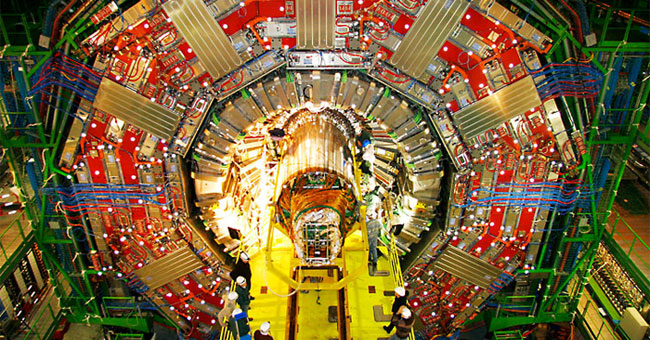
In particular, a ferret blew off the wire in a 66 KV transformer, causing the entire system to suddenly lose power, and finally, the entire experiment was taking place a…

According to the US Aerospace Agency (NASA), this is a promising engine system that can take space ships out of the solar system at a much higher rate than today.

Japan has successfully tested wireless power transmission technology, an important step that opens up the ability to produce electricity from outer space using solar ene…
Recently, two researchers from the University of Central Florida (UCF) have found a way to use nanotechnology to create wires with gigantic capacitances.

Scientists have found a way to charge non-wires for devices inside the human body.
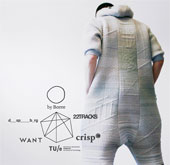
Forget about smart watches and Google goggles, now you can turn yourself into a mobile Wi-Fi hotspot with high-tech clothes.
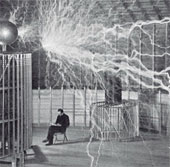
In the future, the transmission of electrical power to electrical equipment will not require wiring, which is considered to be relatively safe for human beings.
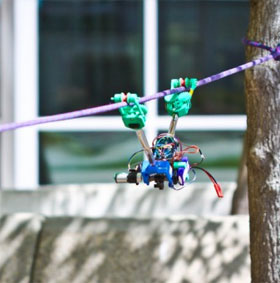
A wire-checking robot for under $ 1,000 has just been introduced at the Jacobs School of Engineering, University of California, San Diego.
Scientists at the University of New South Wales in Australia today announced the invention of a tiny wire, 10,000 times smaller than a hair, but capable of transmitting…

A team of scientists led by Guillaume Gervais of the Department of Physics, McGill University and Mike Lilly, the Sandia National Laboratory built one of the world's…
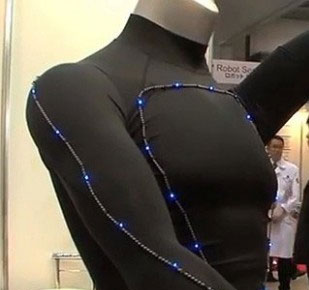
Recently, researchers at Japan's Asahi Kasei Textile Company have successfully developed the first electrically resilient electric cable.

Wires made of superconducting materials developed by Tel Aviv University can deliver 40 times more electricity than copper wires.