Biology
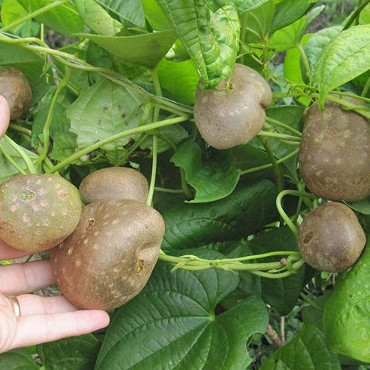
Potato vines do not produce tubers ... grow into fruits
Air potatoes, also known as vines, are a member of the yam family that originated in sub-Saharan Africa and Africa.
Browse ScienceInfo articles and explainers related to Air.
2,472 published items.
Air potatoes, also known as vines, are a member of the yam family that originated in sub-Saharan Africa and Africa.
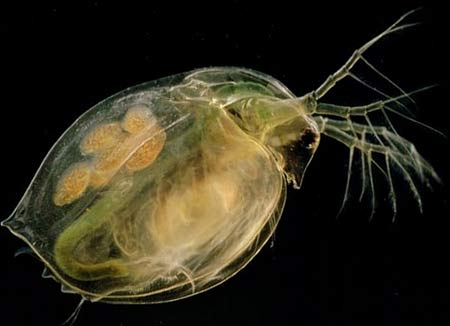
Where on earth without bacteria? In the soil, water, air, from volcanoes to deep sea, there is always the presence of a tiny rod. It was an ancient
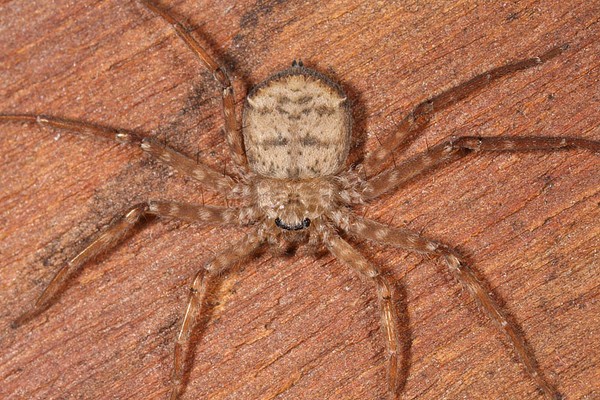
A group of researchers working in Peru and Panama have discovered a nocturnal spider that has the ability to navigate and glide in mid-air.
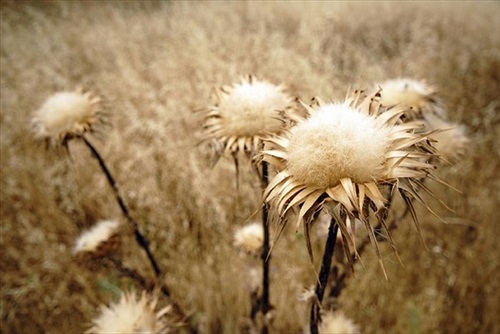
When faced with drought, plants produce special sounds due to the formation of air bubbles in the wood circuit.
The most serious outbreak of Ebola in history today is raising growing concerns about the spread of this dangerous virus around the world.

Referring to the name Toshiba, one remembers a powerful Japanese electronics company. However, Toshiba is planning to encroach on the food market.
Plants have the ability to communicate and exchange information with each other to survive in special
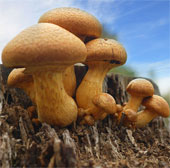
The fungus has the ability to control the surrounding air, more accurately manipulating the surrounding weather to bring fungal spores everywhere.

Synthetic fertilizer for plants is a major source of pollution. This effect is even more pronounced when the fertilizer dissolves and dissolves into the water source.

Scientists have studied 94 hospital visits for flu-like symptoms during the 2010 - 2011 flu season.

Organisms in the atmosphere: Important microbial populations are found in the middle and convection layers.

Scientists have created a genetically modified plant that has the ability to change color when there are traces of explosives in the air, which in the future can be used…
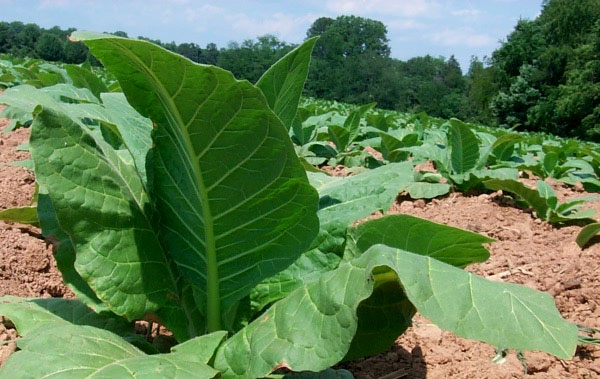
Scientists have created a genetically modified plant that has the ability to change color when there are traces of explosives in the air, which in the future can be used…
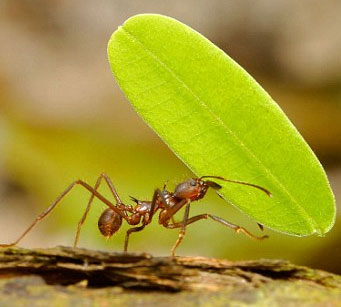
Ants are famous for their diligence and diligence, but their construction skills still surprise scientists.

Life on a height of 4,900 m forces Tibetans to evolve very quickly to survive.