Discover science
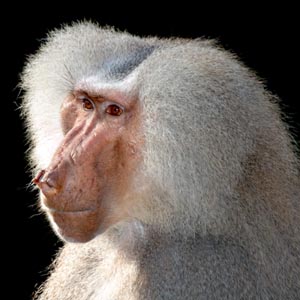
Teach monkeys to play games
American scientists have taught a number of baboons and baboons, species that are considered the least intelligent, playing simple game games on computers.
Browse ScienceInfo articles and explainers related to Animal.
5,291 published items.
American scientists have taught a number of baboons and baboons, species that are considered the least intelligent, playing simple game games on computers.

Israeli scientists discovered an enzyme capable of erasing or reinforcing memories, paving the way for future memory changes.
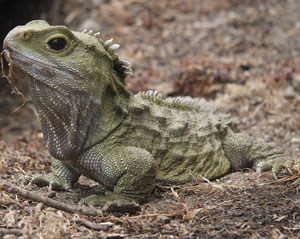
The warmer climate has destroyed the tropical forests on Earth and led to the evolution of reptile evolution.

The new method of identifying marks on the bones indicates a history of nutritional supplements by ... eating other people.

Scientists have found that the brains of extroverted and living animals are more developed than brains ...
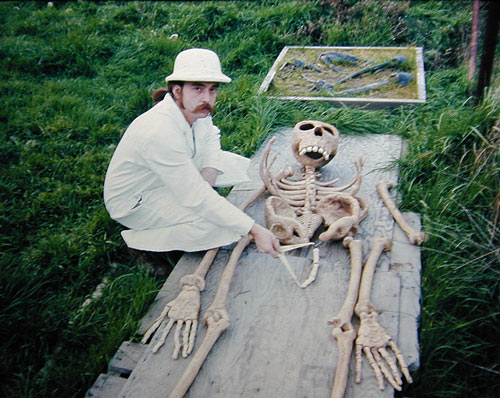
35 years ago, the Big Foot (in some countries called Yeti Snowman) was unearthed for the first time in history.

Recently, researchers at the University of Rochester, USA, discovered that women wearing red clothes often have greater attractiveness in men's eyes.

Sponges have up to 70% of genes that resemble humans, including many of the genes involved in cancer and other diseases.

Why do we yawn? Why is yawning spread when someone starts? And why the yawning spread is not limited to the same species. Scientists try to give some explanation.

According to Japanese scientists, when creating artificial blood vessels in animals and shining blue light, this artificial blood vessel will thicken.

According to a recent study, animals that sleep longer will be less likely to suffer from

The nervous system that controls the sleep-wake cycle in humans is only similar to the sleeping pattern of 17 other mammal species while most are still unknown.

Cats, rats and other predators emit a chemical signal that causes fear in mice.

The ability to use fire, the sense of shame, the upright posture are three of the most important factors that make people different from each other, Livescience affirmed.

The culprit sabotages your efforts to return to moderate eating after a weekend of fullness is the brain.