New technology
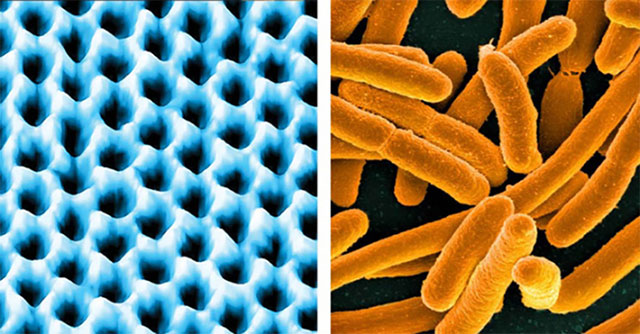
Developed ultra-sensitive device that hears bacteria
Ultra-sensitive hearing devices could be the key to doctors facing the growing crisis of antibiotic-resistant bacteria.
Browse ScienceInfo articles and explainers related to Antibiotic.
342 published items.
Ultra-sensitive hearing devices could be the key to doctors facing the growing crisis of antibiotic-resistant bacteria.
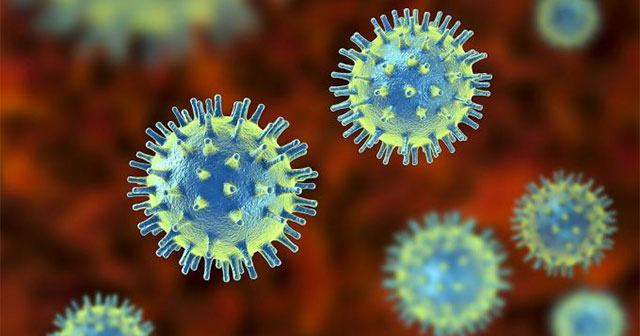
In a small laboratory in the Georgian capital Tbilisi, scientists are testing a virus that helps neutralize antibiotic-resistant bacteria. - VnExpress
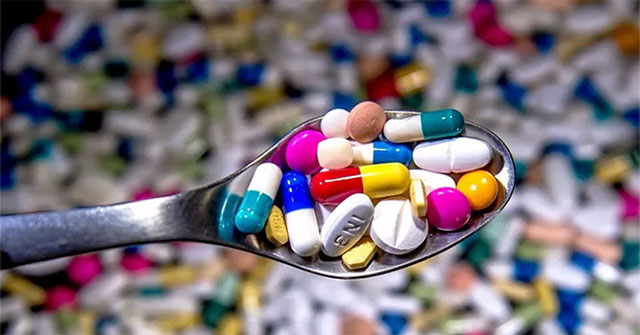
Israel's Institute of Technology (Technion) said that Israeli scientists have developed an algorithm that uses artificial intelligence (AI) to prescribe antibiotics.

A new study shows that man-made drugs are seriously polluting the world's rivers

During surgical operations, there are cases when patients are shocked due to drug allergies. However, sometimes the cause can be misidentified as anesthetic, while the i…
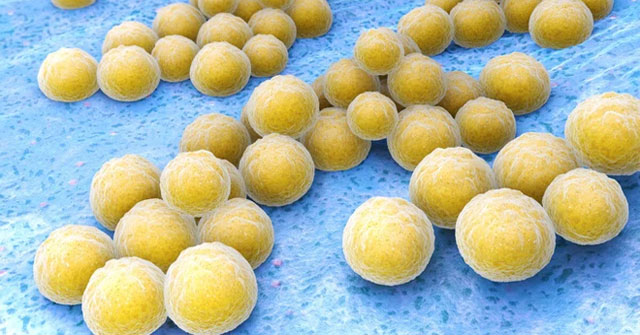
It turns out that new antibiotics may have been inside our bodies for a long time.
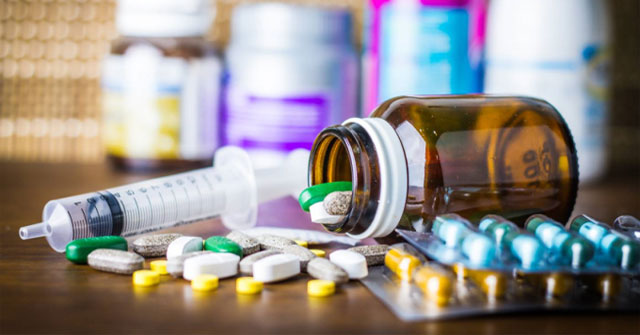
Diarrhea is one of the common side effects of antibiotics, which can lead to intestinal pathology.

Ga Mia is a specialty breed originating in Duong Lam commune (Son Tay town, Hanoi) associated with typical locations of Doai such as Mia market, Mia pagoda.
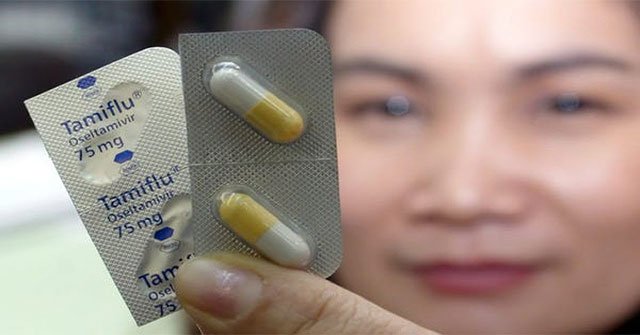
At the end of World War II, mass production of a newly discovered antibiotic, penicillin, saved many wounded wounded victims.
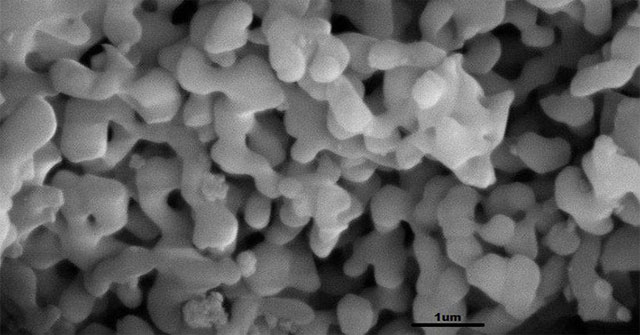
A study by students of the University of Natural Sciences found that antibiotic adsorbent in wastewater is nearly 98% and can be reused.
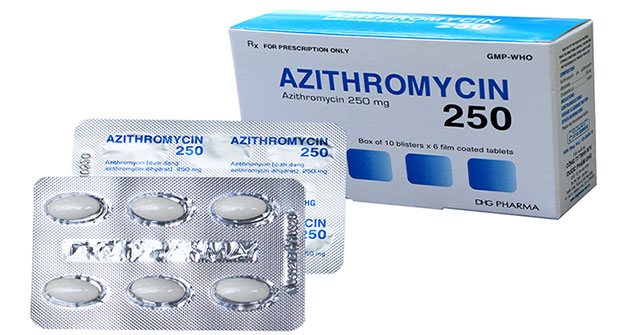
Azithromycin is an antibiotic, used to treat a variety of bacterial infections such as inguinal granuloma, gonorrhea, etc.
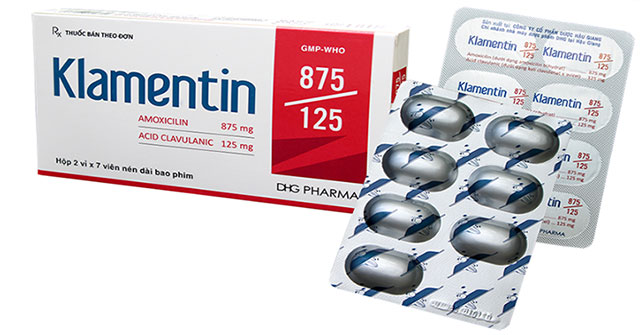
Klamentin 875/125 is a combination of antibiotic amoxicillin and clavulanic acid, used to treat infections in adults and children such as sinusitis, otitis media, acute…
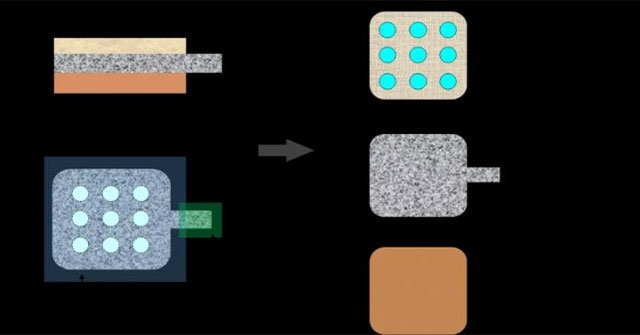
Researchers have built a device to help diagnose the group of bacteria that cause infections and find the right treatment faster than lab methods that take days.
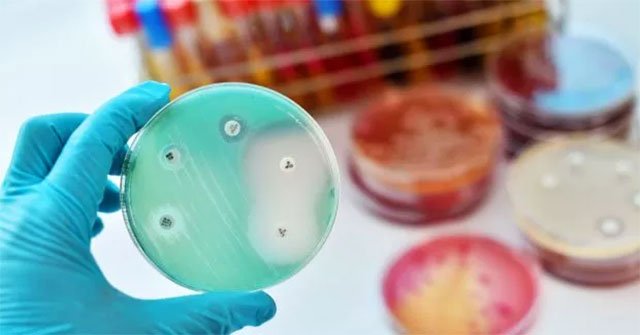
Artificial intelligence has helped researchers do the unthinkable.
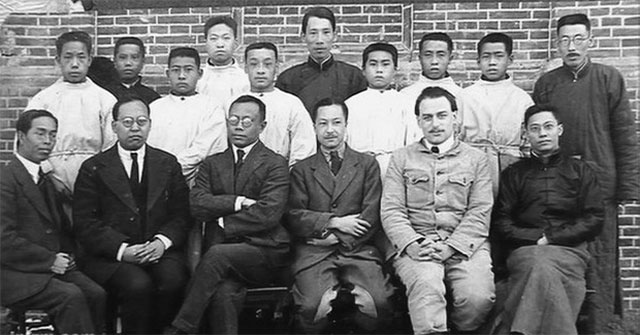
In the absence of antibiotics, Wu's physician still took progressive measures, ahead of his time to prevent an epidemic that killed 60,000 people.