Archeology
Egypt's earliest civilization will soon be clear thanks to this 7000-year-old city
Archaeologists in Egypt discovered the ruins of an ancient city and an adjacent cemetery dating from 7000 to 5.3 BC.
Browse ScienceInfo articles and explainers related to Archaeologist.
1,310 published items.
Archaeologists in Egypt discovered the ruins of an ancient city and an adjacent cemetery dating from 7000 to 5.3 BC.
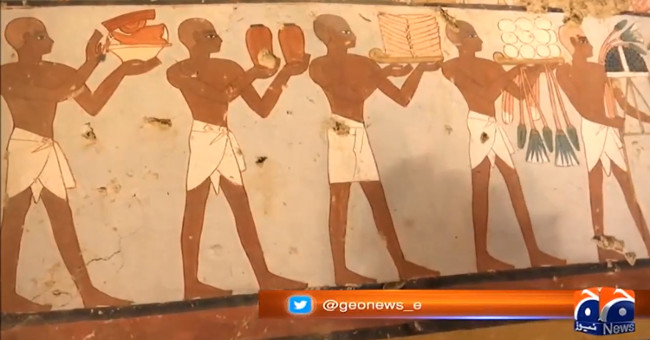
Archaeologists conduct research on two tombs built about 3,500 years ago in Luxor city.
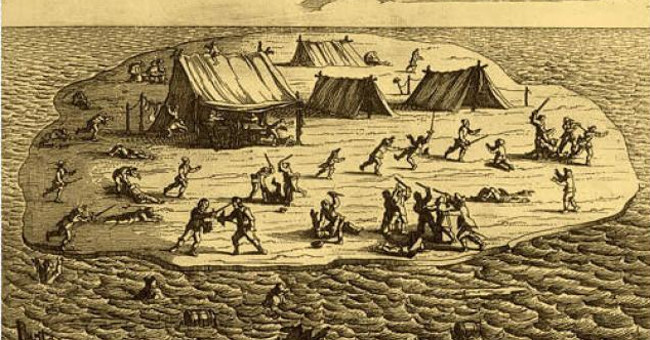
Archaeologists found a mass grave containing the remains of five Batavia passengers on Western Australia's Beacon Island, National Geographic reported on December 7.
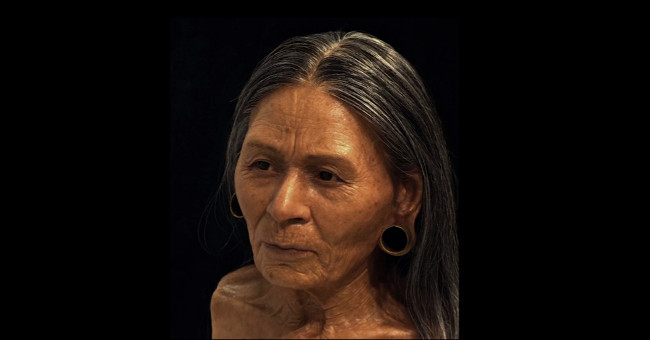
Scientists restored the face of Queen Huarmey, a noble woman who lived about 1,200 years ago.

Archaeologists discovered eight Roman wrecks dating back about 2,000 years to a depth of 30 meters in waters near Naxos Island, Greece, Newsweek reported yesterday.
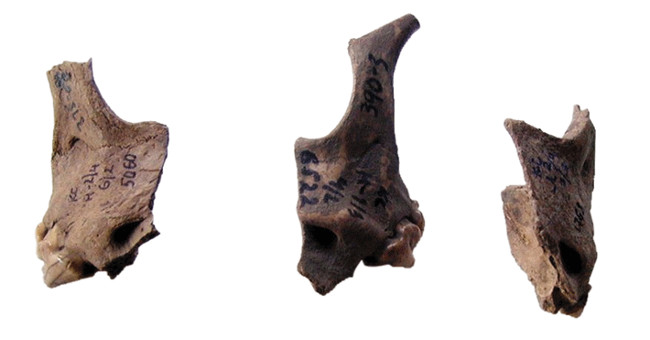
The team discovered at least 64 dog family species, mainly dogs and some species of wolves, worshiped in the Srubnaya people living in Krasnosamarskoe, near the Ural Mou…
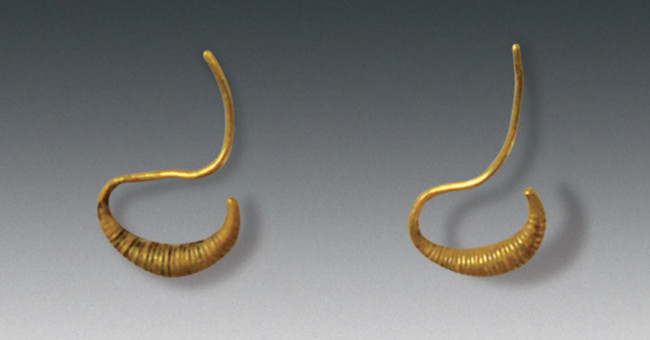
Chinese archaeologists discovered two 800-year-old tombs. Inside the ancient tomb there are many burial items that are considered treasures.
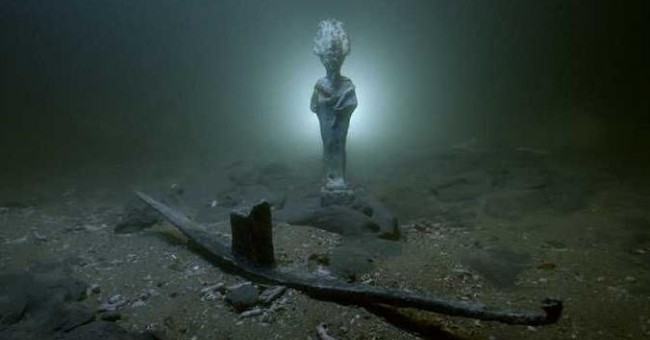
Egyptian archaeologists found the bodies of three shipwrecks dating back thousands of years to contain gold coins and crystal statues.
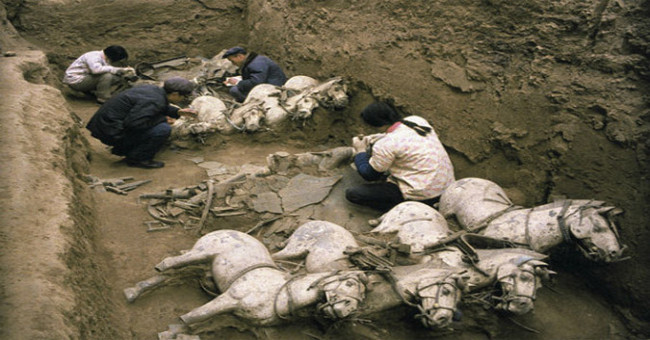
Recent archaeologists recently discovered in the tomb of Qin Shihuang there are thousands of animals of different species that were buried with him.
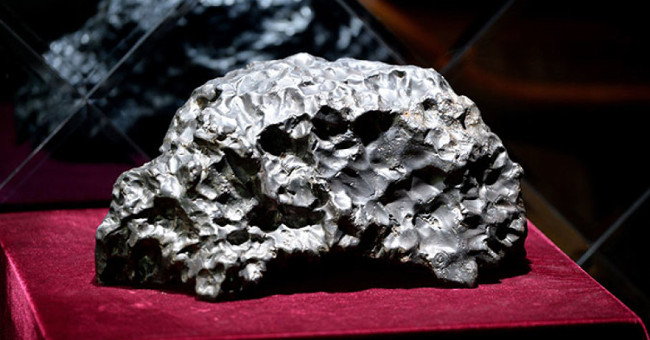
Archeologists named each period of history based on the popular materials used by humans at the time. Archaeologists found a lot of bronze artifacts in the Bronze Age.
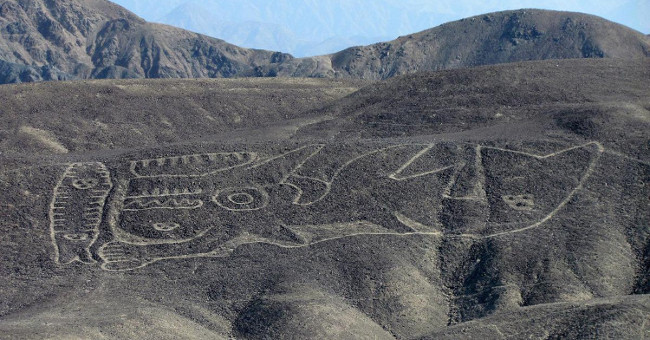
Archaeologists found a giant geoglyph up to 70 meters long carved on a hillside in the desert in the remote Palpa region of southern Peru, according to Live Science.
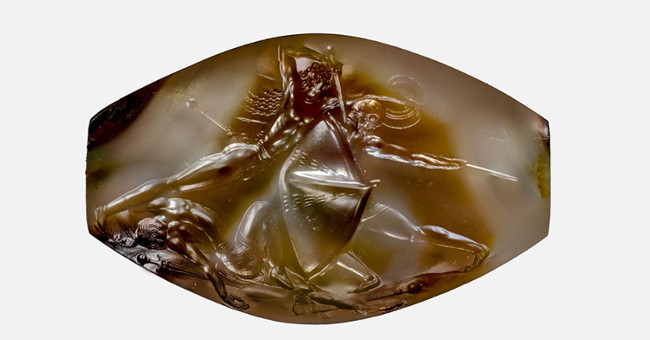
Archaeologists at the University of Cincinnati (UC), Ohio, USA, discovered a finely carved agate jewel that could change the entire history of ancient Greek art.
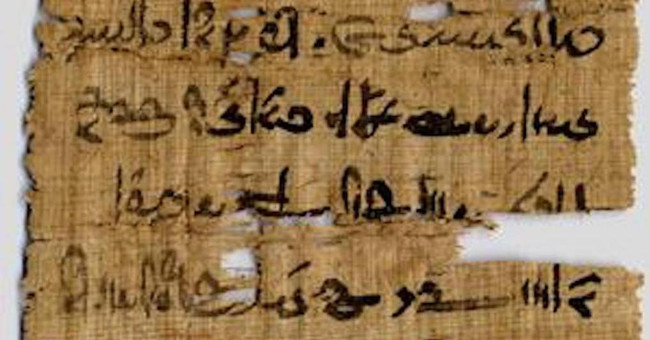
Historically, archaeologists believe that the ancient Egyptians used black ink, which was purely carbon-based until the 4th and 5th centuries.
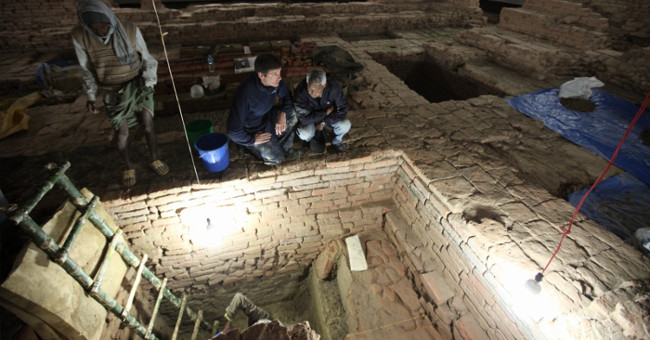
Archaeologists studying in Nepal have discovered evidence of an architecture at the birthplace of the Buddha dating back to the 6th century BC.
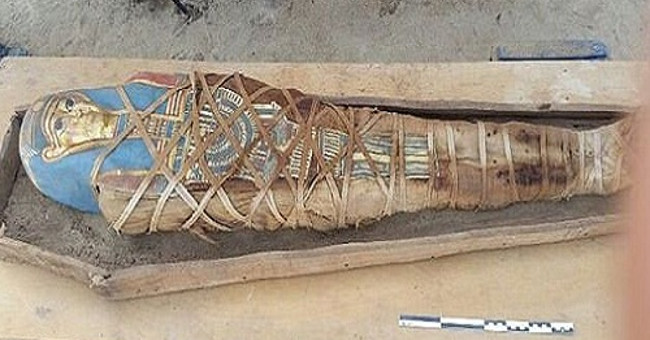
The mummy dates back to the Greek-Roman period (from 332 BC to 395) was found in good condition with linen wrapped around the corpse.