
Space science
The 3.2 billion pixel camera in Chile is about to observe the universe
The world's largest digital camera LSST in Chile will help scientists study galaxies, asteroids and mysterious cosmic phenomena.
Browse ScienceInfo articles and explainers related to Asteroid.
564 published items.
The world's largest digital camera LSST in Chile will help scientists study galaxies, asteroids and mysterious cosmic phenomena.
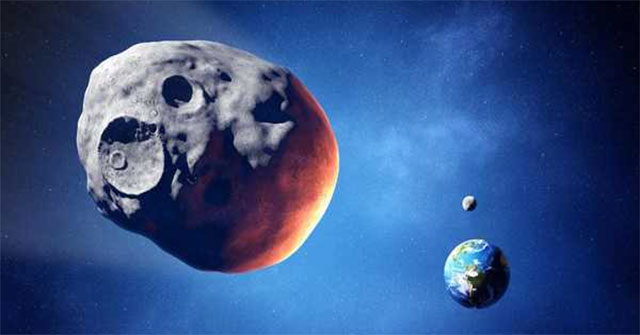
We often hear about an asteroid that could hit the Earth, but how many such asteroids actually threaten the Earth?
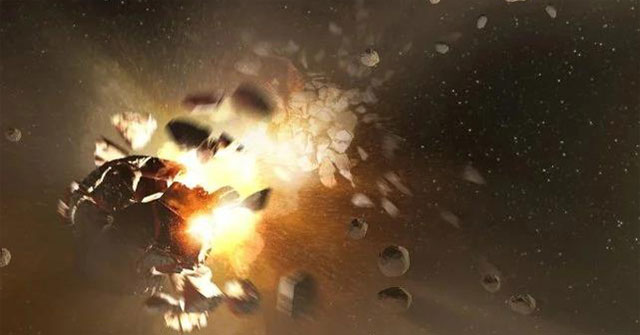
A new study from Denmark has deepened the hypothesis of a bioburden 467 million years ago and a link between the two asteroid collisions.
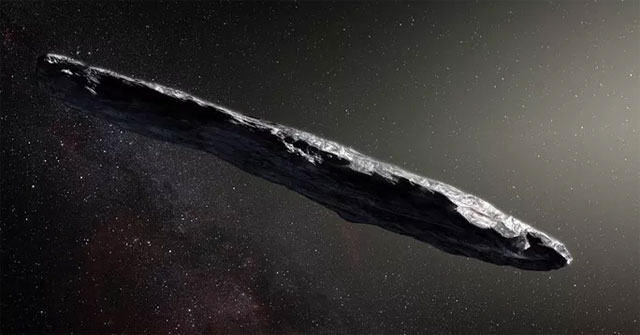
New US research shows that interstellar objects like the asteroid Oumuamua or comet 2I/Borisov contribute greatly to the formation of planets.
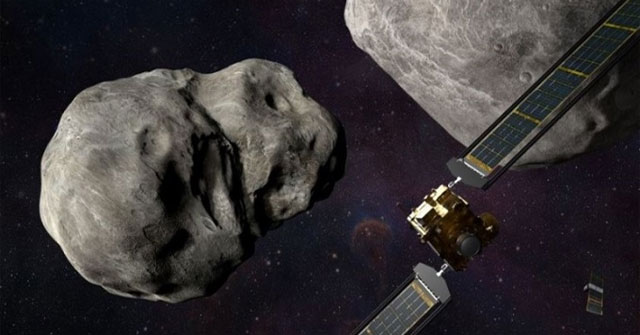
For the first time, NASA will launch a spacecraft to crash into a small asteroid and change its orbit to test planetary defense tactics.
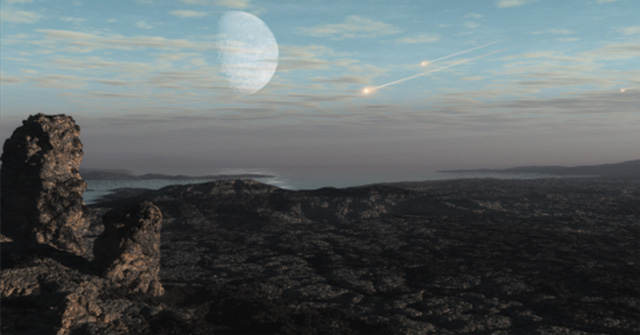
A team of scientists from the US and Japan has found traces of a series of ancient asteroids that hit the Earth during the Paleozoic, causing the Earth to become breathl…
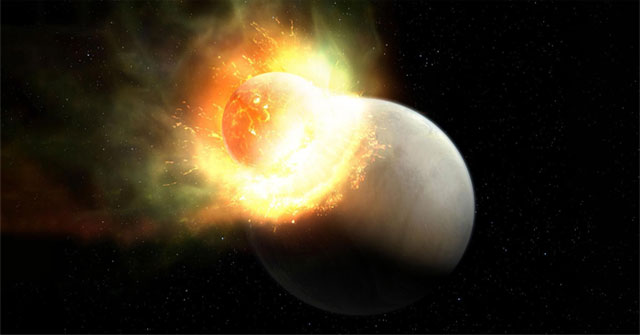
Astronomers have discovered for the first time a planet that lost its entire atmosphere after an extremely large meteorite impact.
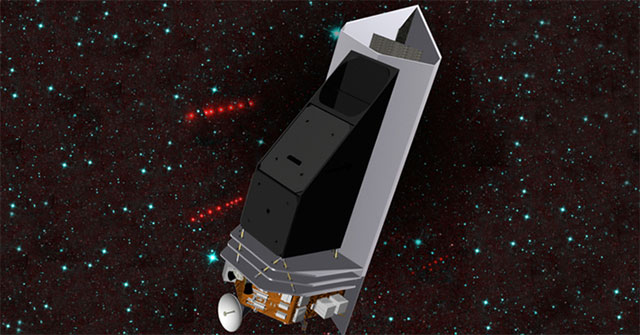
The new space telescope, scheduled to launch in 2026, will help protect the Earth from potentially dangerous objects.
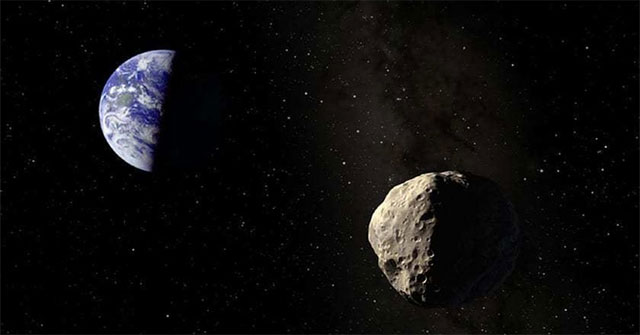
The cable system, formerly used for space elevators, connected the Moon and Earth, and can now be used to tie asteroids together.

Australians were surprised to find a strange green object glowing in the night sky. Strange objects can be seen throughout Victoria and South Australia.
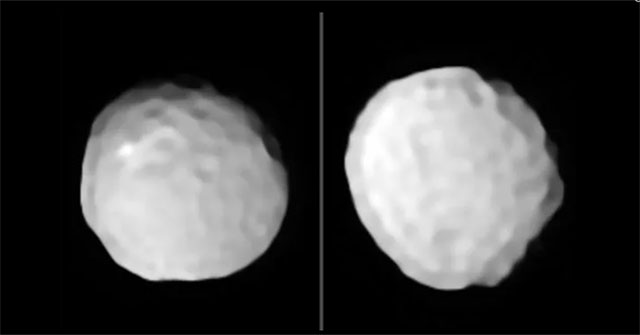
A giant asteroid about 1/7 the size of the Moon surprised astronomers with its special history.
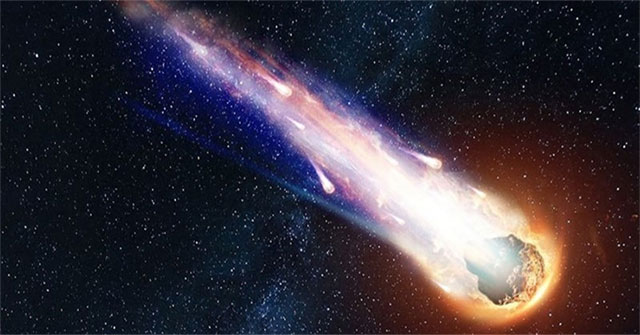
Oumuamua is the first interstellar asteroid to fly over the recorded Solar System. However, the latest research shows that in our planetary system there may be many aste…
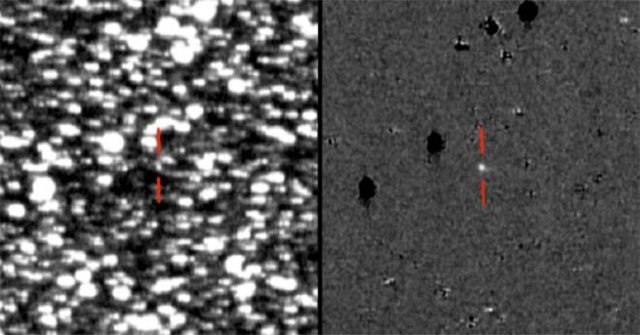
Scientists found that what they thought they were the mysterious 'debris' of the Solar System turned out to be just a filthy block of ice.
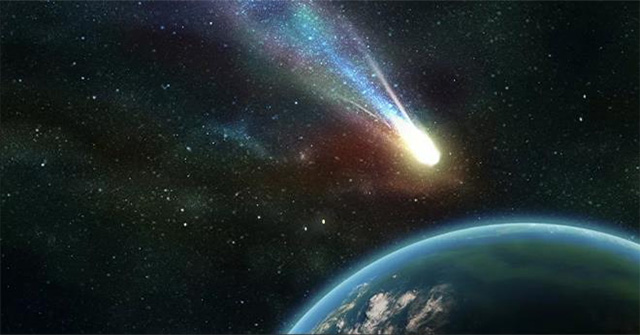
2002 NN4 was discovered in 2002. It is expected that around 10h20 on 6/6, this meteorite will fly over our planet at a distance of 5.93 million km.
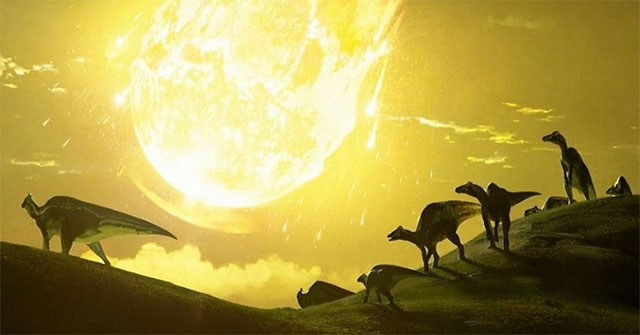
The meteorite caused the extinct dinosaur to crash to Earth 66 million years ago from the northeast at its steepest angle, maximizing the release of climate change gas.