
Science invention
New invention by NASA: Use hidden crystals to show directions for new spacecraft!
NASA has successfully invented a way to guide the way of new automatic astronaut lines.
Browse ScienceInfo articles and explainers related to Astronaut.
1,389 published items.
NASA has successfully invented a way to guide the way of new automatic astronaut lines.
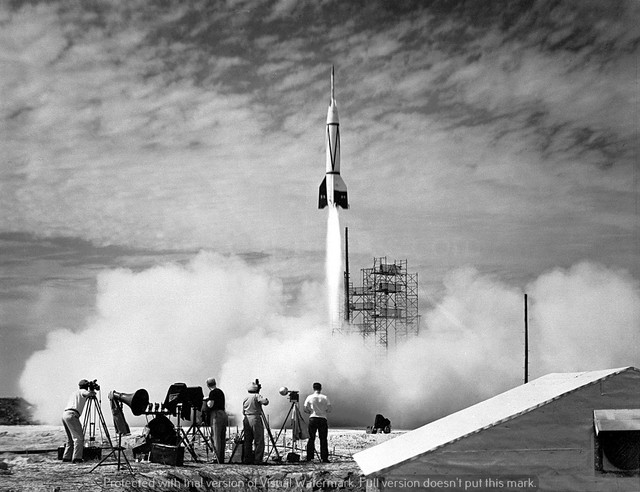
If it seems that there is little doubt that missiles were invented in China, the date and conditions invented are not determined with certainty.

Australian scientists invented a super-thin nanomaterial that can protect the surface against light and radiation.
For more than 50 years of NASA's space research there have been many familiar objects in our daily lives created by this superlative space agency.

Researchers from the US Space Agency have developed a water that protects astronauts from the Sun's radiation, defeating signs of aging. This type of water is called alc…
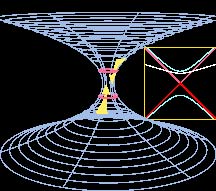
A tunnel that passes through a hill is naturally shorter than the surface path. Similarly, a wormhole can be a shorter path than the usual path in space.

What's more interesting when watching yourself walking in space in an astronaut's outfit? The portraits software called 'Funphotor' will help you do this easily.

Astronauts on the International Space Station (ISS) started accessing the Internet yesterday.
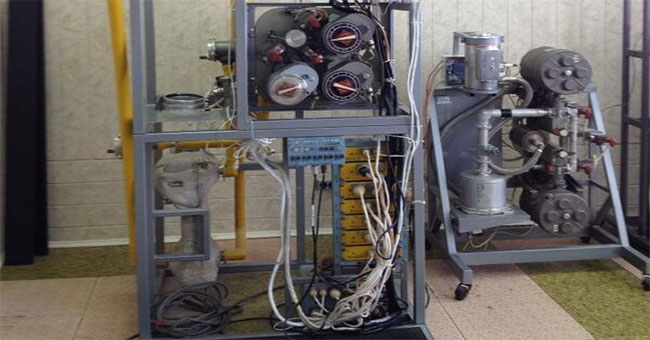
The new system made by Russian researchers can turn CO2 in space stations or spacecraft into methane and water.
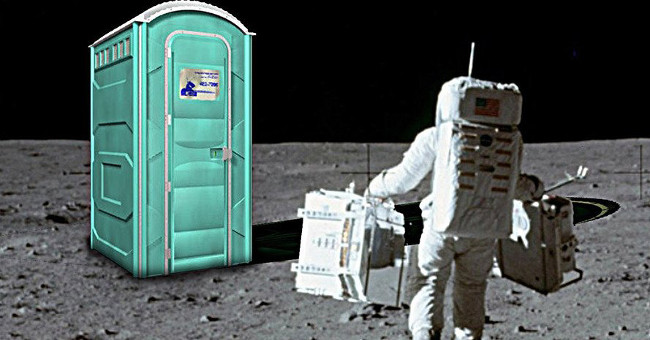
Earlier this year, a research team was funded by NASA to find ways to turn the astronauts' waste into ... recycled food that still ensures that they are rich in protein,…
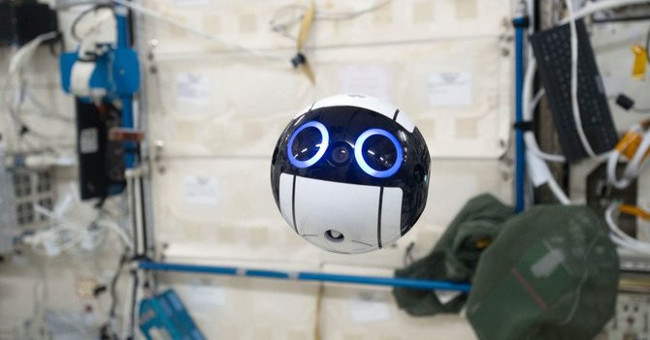
According to the Japan International Space Agency (JAXA), Int-Ball is a robot-drone capable of filming and shooting in outer space.

Special glasses made for ESA astronauts (European Space Agency / ESA) today are used for people with disabilities to help them communicate.
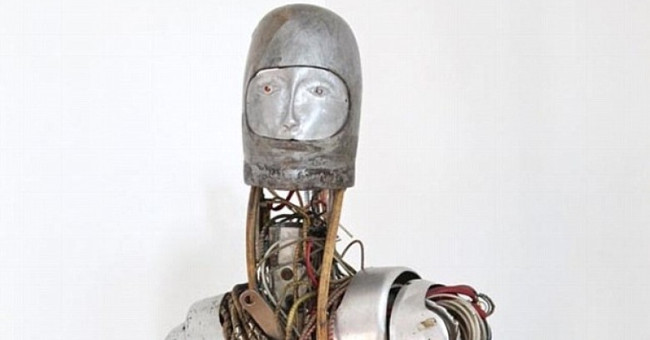
When setting up astronaut suits for NASA astronauts, researchers of the 1960s needed a volunteer to try out. And from that need, this weird robot has

NASA is aiming to predict dust storms on the red planet to increase the success rate for future missions.
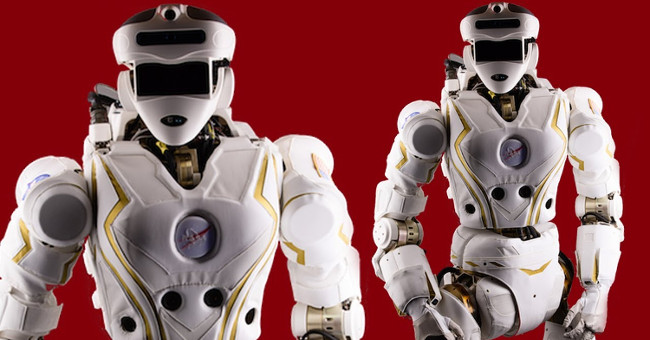
After attending DARPA's search and rescue robot competition last year, NASA continues to develop Valkyrie as a stand-alone robot.