
Environment
How Do Climate Models Work?
Climate models are mathematical representations of the atmosphere, ocean, land, ice and the exchanges of energy and matter among them. They are built from physical laws…
Browse ScienceInfo articles and explainers related to Atmosphere.
902 published items.
Climate models are mathematical representations of the atmosphere, ocean, land, ice and the exchanges of energy and matter among them. They are built from physical laws…
Weather forecasting models are computer simulations that estimate how the atmosphere will evolve from an analyzed starting state. They translate physical laws into numer…
Hurricanes form over warm tropical oceans when the atmosphere and ocean supply a specific combination of heat, moisture, rotation and organized thunderstorms. In other r…
A solar flare is a rapid release of magnetic energy in the Sun's atmosphere. Flares can brighten dramatically in X-rays and extreme ultraviolet radiation and can acceler…
Exoplanet atmospheres can reveal molecules, temperatures, clouds, circulation and clues to a planet’s formation, climate and possible habitability by imprinting chemical…
A potentially habitable exoplanet is a world where known conditions could allow environments suitable for life as we understand it; being in a star’s habitable zone is o…
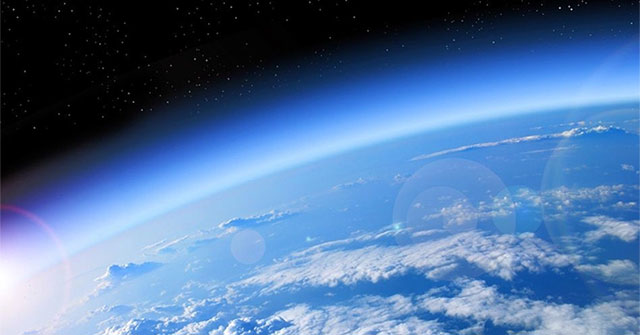
At that time, humans and most other life forms that depend on oxygen for survival have almost no chance of survival on Earth.
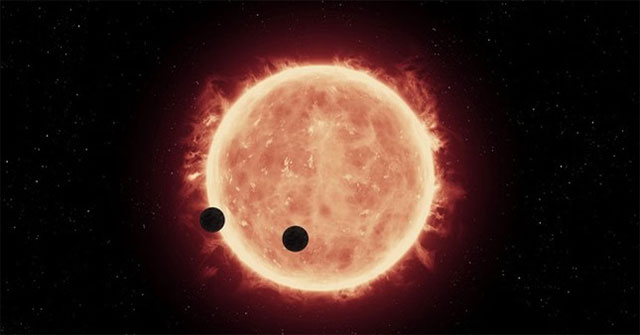
We know that one in five stars has an Earth-like planet. There are 200 billion stars in our galaxy alone.
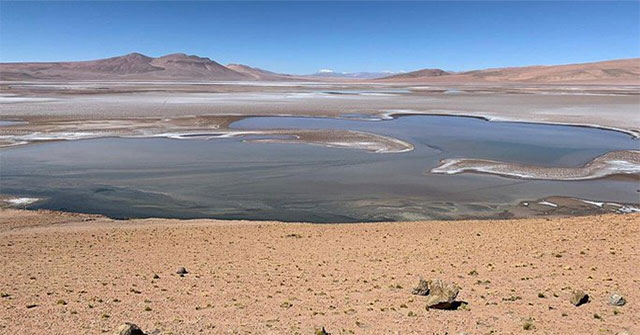
A planet has just been confirmed as being as promising a place for the origin of life as the early Earth, if not more so.

Meteorites are often particularly heavy, magnetic, and bear characteristic marks from being heated as they plunged into the atmosphere.
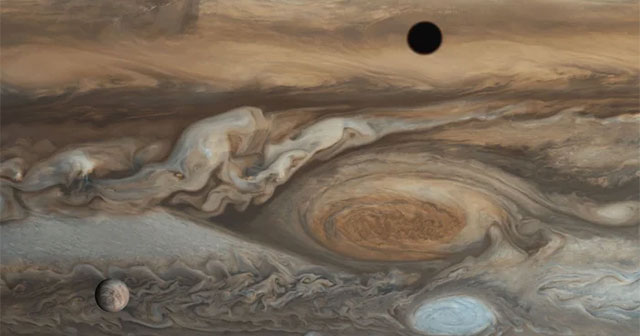
Jupiter's atmosphere is divided into four layers: the troposphere, stratosphere, thermosphere, and exosphere. Each layer has its own function and role in Jupiter's activ…
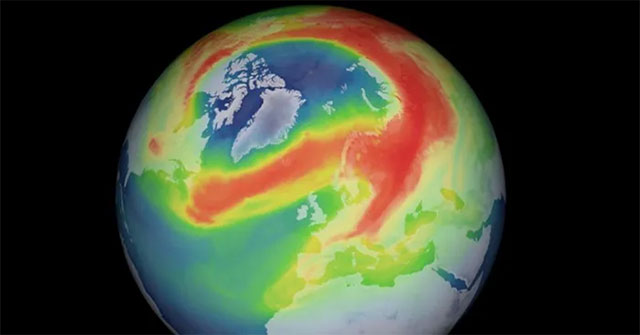
International efforts to protect the ozone layer are a 'tremendous global success,' scientists said on June 12.

Determining the existence of a civilization on Earth that predates humans is a thorny question and attracts the interest of many scientists and archaeologists.
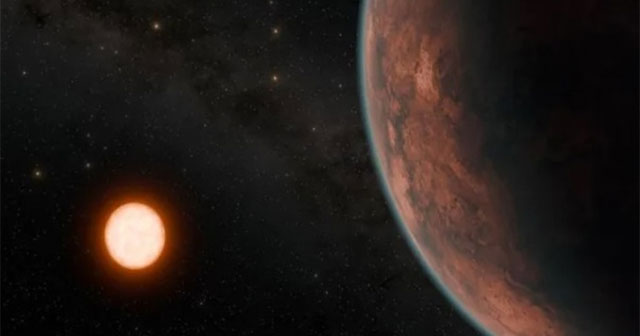
Scientists have discovered an exoplanet called Gliese 12 b in the constellation Pisces that has conditions suitable for life.
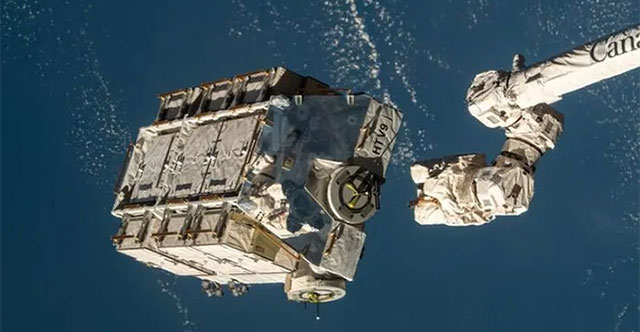
As expected, the Expose Pallet 9 (EP9) battery pack from the ISS entered Earth's atmosphere over the weekend.