Space science
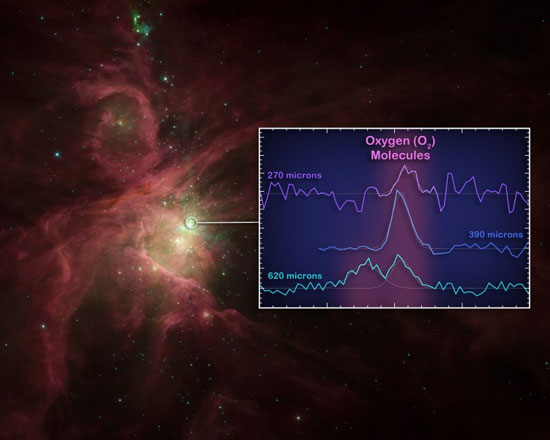
Discover the first oxygen molecule 1,500 light years from Earth
A group of scientists discovered the first oxygen molecules in deep space in the constellation Orion region, about 1,500 light-years from Earth.
Browse ScienceInfo articles and explainers related to Atom.
244 published items.
A group of scientists discovered the first oxygen molecules in deep space in the constellation Orion region, about 1,500 light-years from Earth.
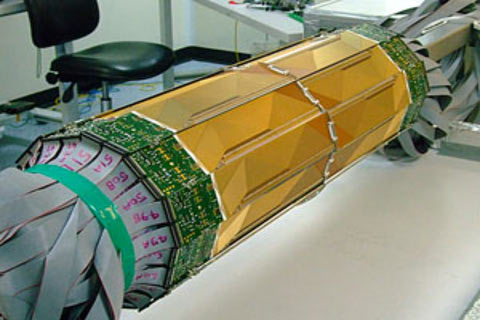
Reuters on December 6 said that European scientists have just announced the creation and capture of antihydrogen atoms in an ideal magnet tube.
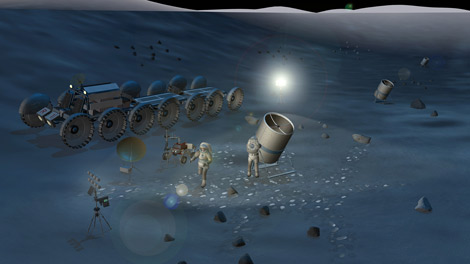
A study by Chinese scientists said water on the Moon could affect their plan to install telescopes on the satellite in 2013.

Although they are bright stars, supernova cannot create the heaviest elements.

Each neutrino (the oldest molecule smaller than an atom) can contain a space larger than thousands of galaxies, according to new simulations.

The strange oxygen atom mixture in an exploded meteorite in the sky of Pueblito de Allende, Mexico nearly 40 million years ago has caused scientists to suffer since that…

Diamonds are beautiful, so people often liken stars like diamonds, and in the universe there are countless sparkling diamonds. That is just a clever way of speaking. But…

Very small changes in the temperature detected in the cosmic microwave background radiation map are often thought of as evidence to show that stars, galaxies and other l…

Water (H2O) is a liquid that has nothing to discuss. But when studying at the molecular scale ...

American scientists from Chapel Hill Sub-University, University of North Carolina, said they found calcium atoms could control bacterial activity.
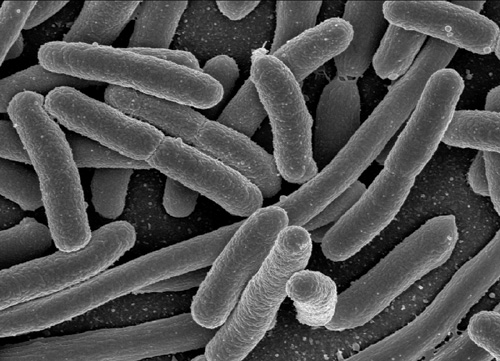
For the first time, researchers genetically engineered Escherichia coli to create the long-chain alcohol needed for biofuel production.

For the first time in the history of science, American biochemists have learned how to utilize intestinal bacteria to produce energy.

Scientists at the University of Minnesota are studying a drug that detoxifies cyanide. Experiments on mice have been successful and are expected to test humans within th…
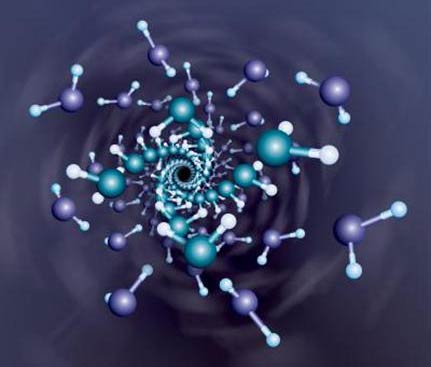
Nanotechnology is welcomed as the science of the future, with microscopic particles that create innovations that remove facial folds, make beer bottles stronger and wash…