Life
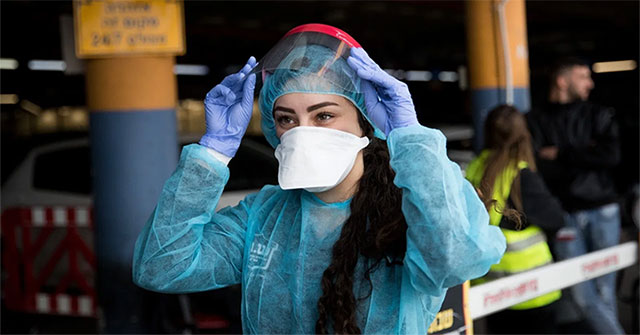
Israel creates a reusable mask 100 times that can kill corona virus
This new mask can kill viruses, bacteria and poisonous mushrooms as soon as they come in contact with the mask, and especially can be reused up to 100 times.
Browse ScienceInfo articles and explainers related to Bacteria.
1,661 published items.
This new mask can kill viruses, bacteria and poisonous mushrooms as soon as they come in contact with the mask, and especially can be reused up to 100 times.
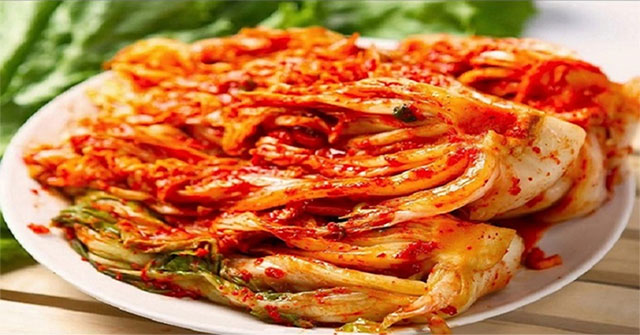
Kimchi is often present in Korean meals not only as a delicious dish but also
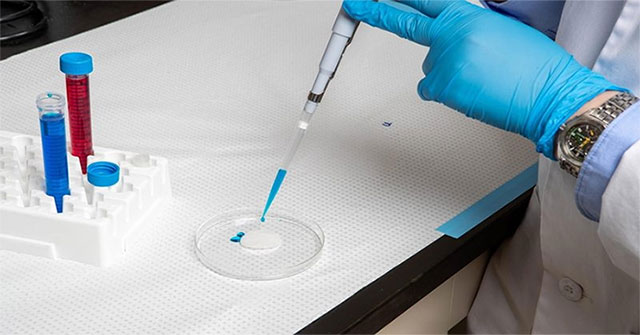
Researchers have created an optimal anti-stick layer that combines medical technology and the food industry to create a self-cleaning surface that repels even the most d…
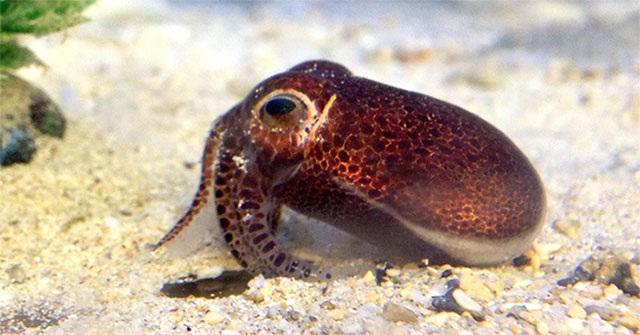
Researchers from the Okinawa Institute of Science and Technology (OIST) in collaboration with a researcher from Australia have identified a new species of squid living i…

Prebiotics and Probiotics are both important for keeping your intestines healthy.
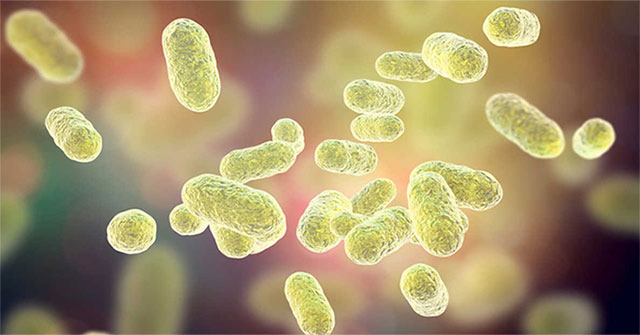
Porphyromonas gingivalis bacteria (Pg) has been identified as a causative agent of human cancers, diabetes and Alzheimer's.
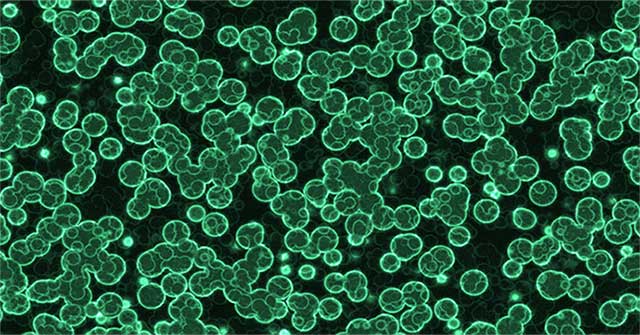
After 10 years of research, experts from Israel's Weizmann Science Research Institute (WIS) developed a bacterium that only absorbs carbon dioxide (CO2).
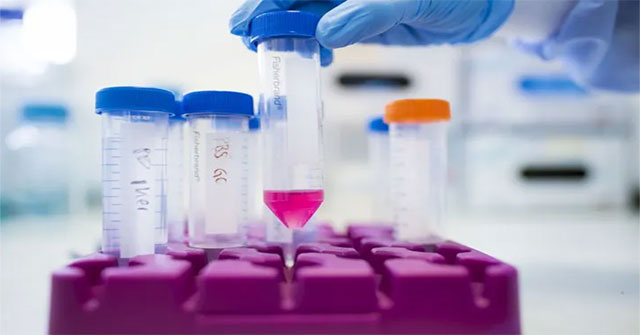
According to a study published in the Proceedings of the US National Academy of Sciences (PNAS), two strains of predatory bacteria can work together to cause maximum dam…
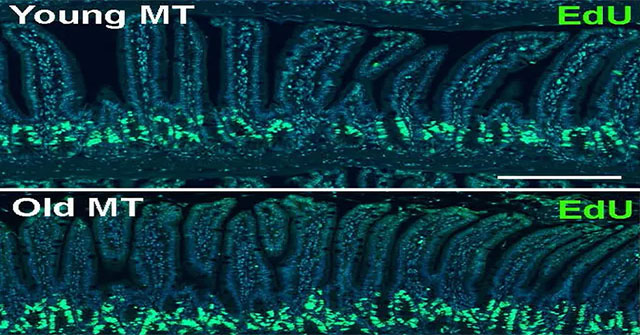
An international team of researchers led by Nanyang Technological University, Singapore (NTU Singapore) has found that the microorganisms living in the gut can change th…
Urethritis in men needs to be treated quickly and definitely, avoiding causing dangerous complications.
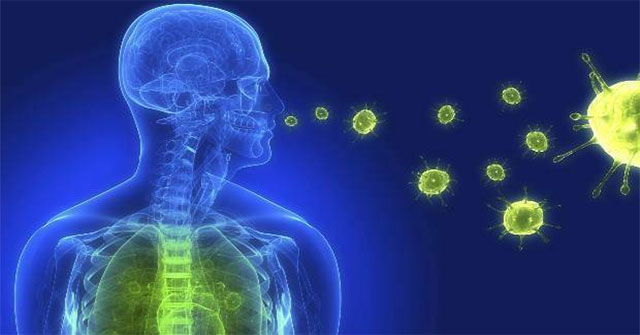
Pneumonia is a common disease in children and the elderly. The disease can be caused by viruses, bacteria.
Don't warn about an upcoming post-antibiotic era - it has already happened, here, right now.
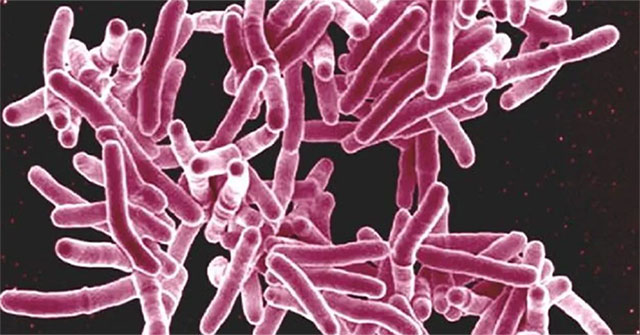
Scientists from the National University of Science and Technology (NUST MISiS), together with their Czech and US colleagues, have developed a new implant material that h…
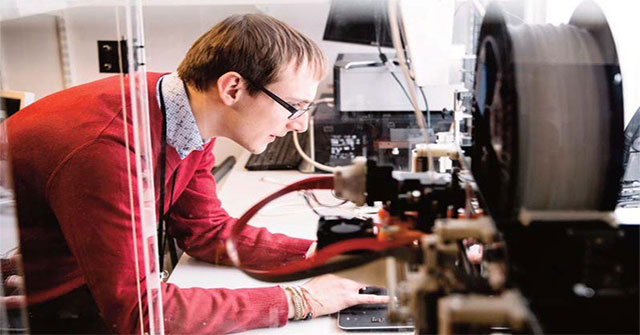
We can never reach 100% in technologies like this. But you can expect 99% of germs to be eliminated