Biology
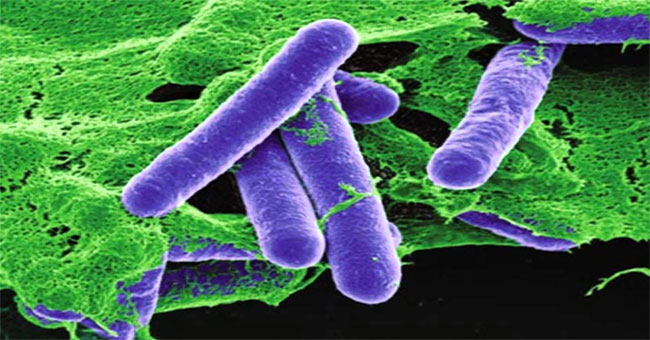
The danger of Clostridium botulinum bacteria
Clostridium botulinum (C. botulinum) was first described by E.van Ermengem in 1897 during a food poisoning in Ellezelles, Belgium.
Browse ScienceInfo articles and explainers related to Bacteria.
1,661 published items.
Clostridium botulinum (C. botulinum) was first described by E.van Ermengem in 1897 during a food poisoning in Ellezelles, Belgium.

Have you ever imagined that the biological liquid in your body that you release every day will bring light to mankind?

According to a recent test test, a supermarket trolley has 361 times the amount of bacteria than toilet door handles.

The virus is considered
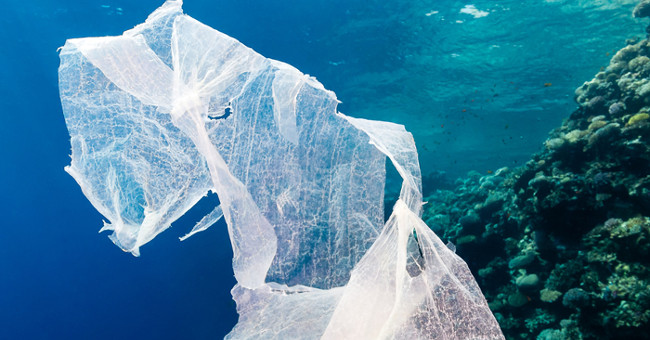
Ocean pollution is growing to an amazingly high level, and residents living in the sea are at risk of extinction because of human waste.
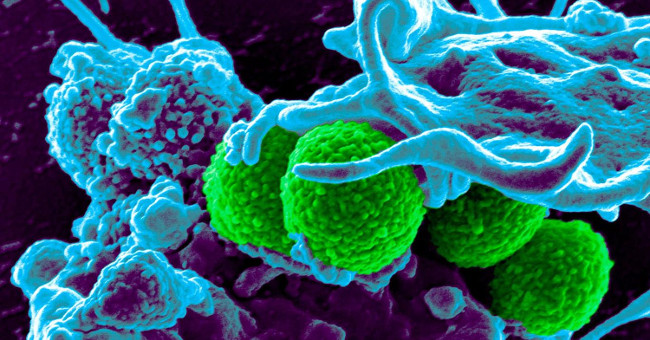
Scientists have combined human cells with bacteria and viruses to create hybrid immune cells, capable of destroying resistant bacteria.
When it comes to the goal of bringing people to migrate to Mars, all of its options lead to a basic impasse.

New forms of ancient bacteria and viruses have been discovered living in crystals in extreme conditions, in an abandoned lead and zinc mine.
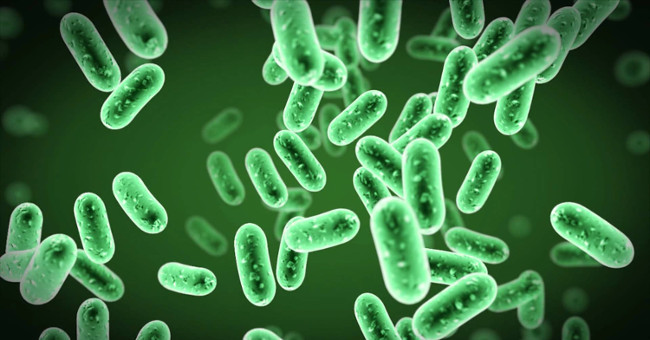
Scientists from the Broad Institute of Massachusetts Institute of Technology and Harvard University have found a mechanism to evolve into a virus resistant to all drugs…
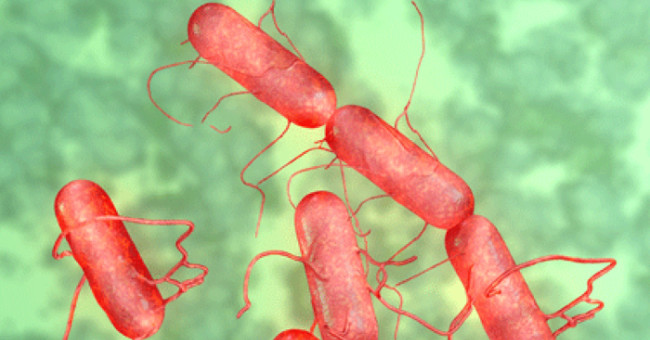
Enterobacteria of Salmonella may be a new tool against brain cancer.

Life on Earth survived thanks to oxygen, but surprisingly a few billion years ago, when oxygen had not yet appeared, there were germs of bacteria living.
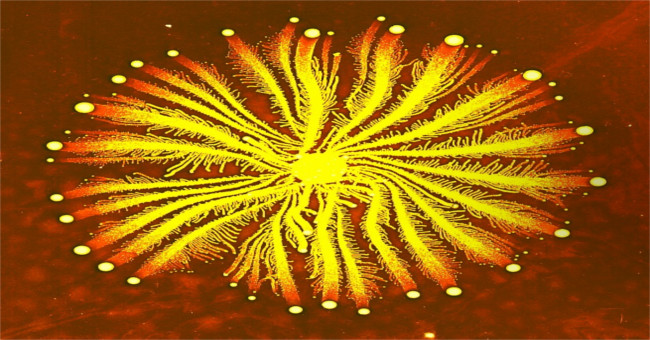
The ancient bacterium Paenibacillus was discovered in the cave Lechuguilla, New Mexico, USA with resistance to 70% of modern antibiotics.

It is unclear how this virus can get the spider's DNA (and some other animals), but scientists think the virus does so to make it easier to infect. .

Scientists at the Zurich University of Technology, Switzerland, have made a breakthrough in biotechnology that links E.coli bacteria to computers.
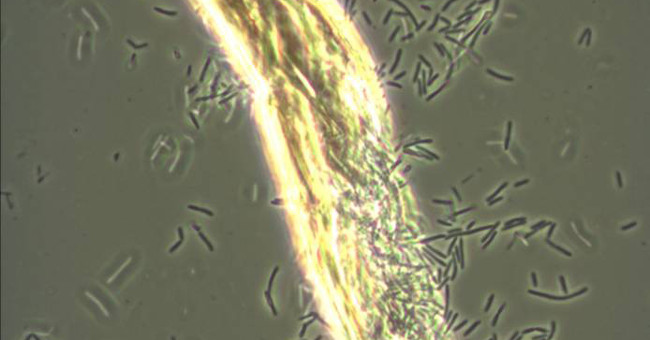
Clostridium thermocellum can disintegrate both cellulose (the type of organic compound commonly found in plants), turning them into usable biofuels without the need for…