
Biology
When bacteria become 'allies' help people clean the air
Recently, a team at Northwestern University has identified two proteins in methanotrophic bacteria that can exploit heavy metals from the environment and consume greenho…
Browse ScienceInfo articles and explainers related to Bacteria.
1,661 published items.
Recently, a team at Northwestern University has identified two proteins in methanotrophic bacteria that can exploit heavy metals from the environment and consume greenho…
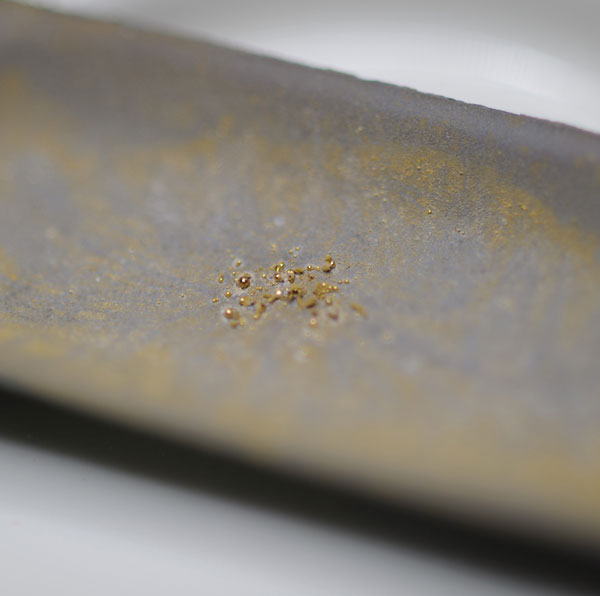
This is not a fairy tale chicken egg story. We are talking about the existence of a truly capable bacterium ... laying gold.

According to Futurism, humans are not the only animals with many bacteria active in the intestinal tract.
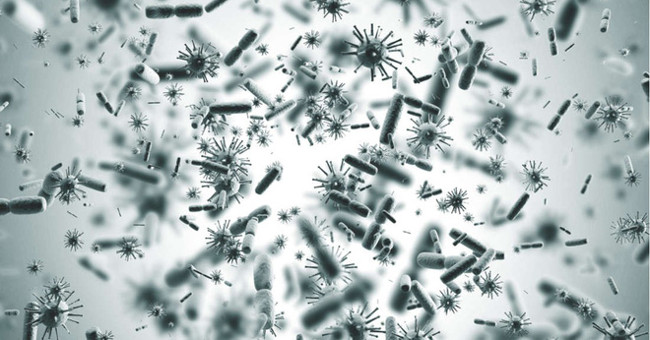
Recently, scientists from the US Department of Energy's Genetic Institute had a huge discovery, when they found up to 6000 new viruses.
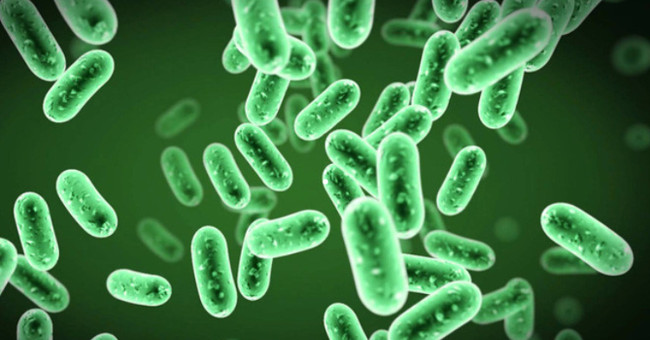
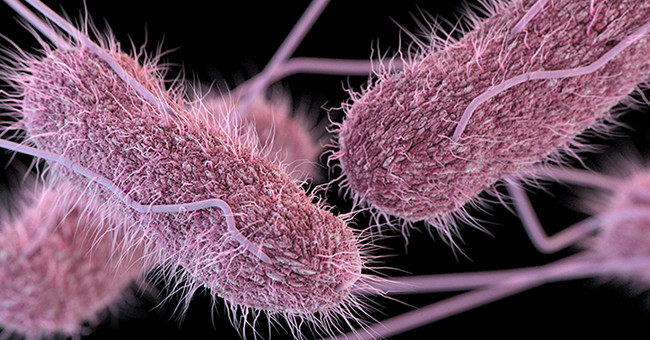
Salmonella infection not only spreads through contact. Salmonella can be present in poultry, fish, milk and dairy products ... not yet cooked well.
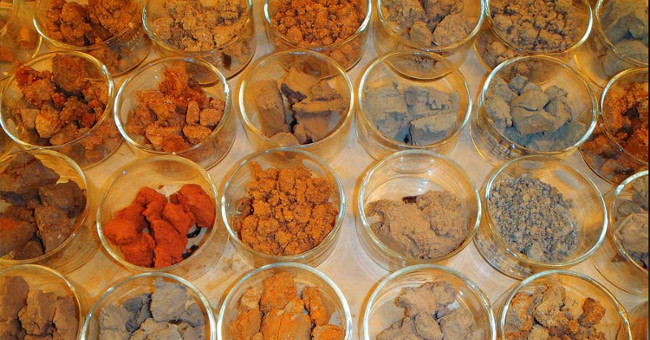
Each soil sample can contain hundreds to thousands of types of bacteria - most of which have yet to be determined.
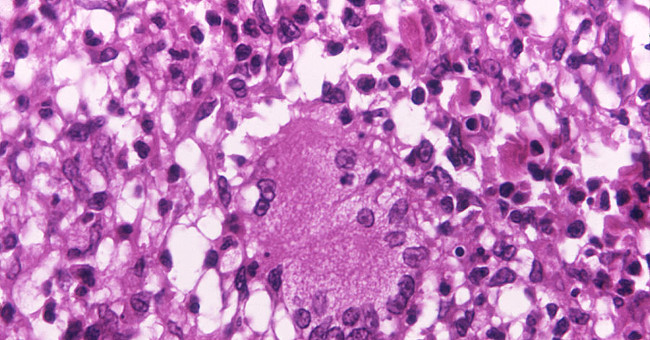
According to a new study in Nature Communications: Mycobacterium leprae - an ancient strain of bacteria that causes leprosy - is growing and extremely resistant.
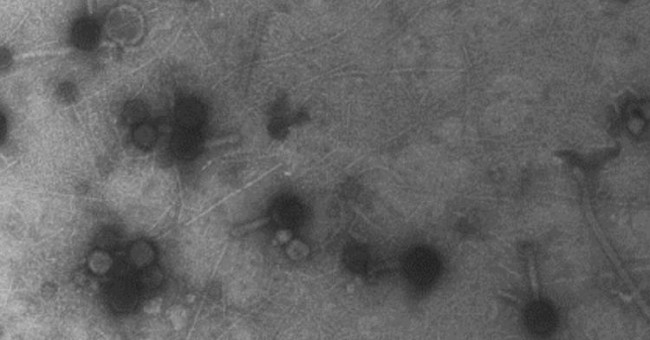
The Earth until now is still the only place in the universe capable of nurturing life.
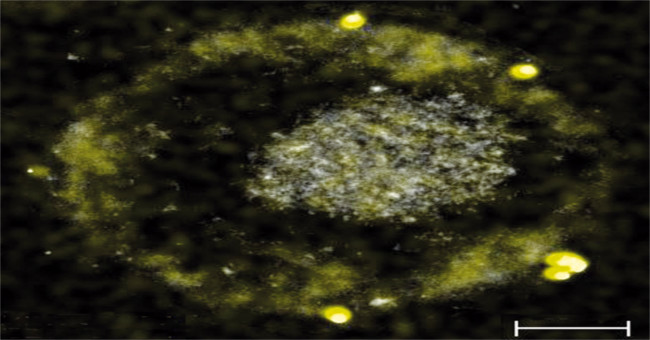
No life form on our planet can penetrate every successful environment like microbial cells.

Newly discovered organisms can live on basic EAT with hydrogen, carbon monoxide and carbon dioxide.

Among STSS cases, 66 in Tokyo, 40 in Kanagawa, 32 in Aichi, 31 in Fukuoka and 28 in Hyogo. Most patients are over 30 years old.

The parasite is often known as the living creature 's stealthy creatures on the body of another species. The parasite will live and grow by absorbing nutrients from the…

On January 8, Ms. Vu Thi Quynh Giao, Oxford University Clinical Research Unit, said that currently, misuse and overuse of antibiotics are common in Vietnam's livestock i…

Bifidus or Bifidobacterium is a genus of Gram-positive, non-mobile, often anaerobic branching bacteria.