Biology
Detecting new toxins of bacteria in the gastrointestinal tract
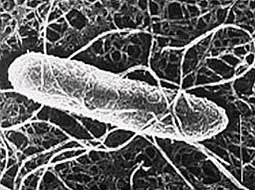
Scientists have discovered a new toxin called 'colibactine' produced by Escherichia coli (E. coli), which breaks the DNA chain and disrupts the cycle of antibacterial ce…
Browse ScienceInfo articles and explainers related to Bacteria.
1,661 published items.
Scientists have discovered a new toxin called 'colibactine' produced by Escherichia coli (E. coli), which breaks the DNA chain and disrupts the cycle of antibacterial ce…
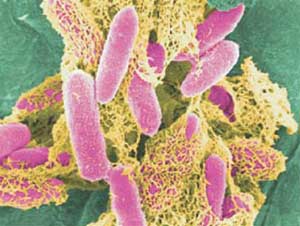
The team of scientists at the University of Utah (USA) led by Professor John Parkinson said that although there are no functions mentioned above, the species of bacteria…
Science magazine (USA) published yesterday a report by Australian scientists about the discovery of a bacterium that can turn soil into gold, scientific name is Ralstoni…
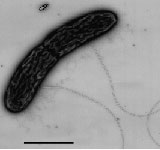
Every year, an average of 33 billion gallons of domestic wastewater must be treated preliminary before being discharged into the river. If only the electricity is calcul…
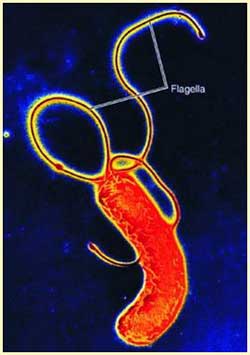
Science discovered Helicobacter pylori bacteria that specialized in human intestinal harassment in 1981, but according to the US research team, led by microbiologist Mar…
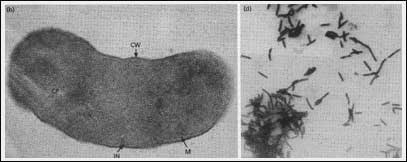
Methane is the oldest organism on Earth. In the early days of the Earth's formation, in the pristine environment and lack of oxygen as in the dead, the first creatures w…
When we taste or smell, the cognitive components (called receptors) of nerve cells check for substances and send information to the brain. In the brain, many other cells…
For the first time, a group of researchers at Scripps Ocean Institute at the University of California, San Diego showed that the deposits in the deep sea floor are impor…
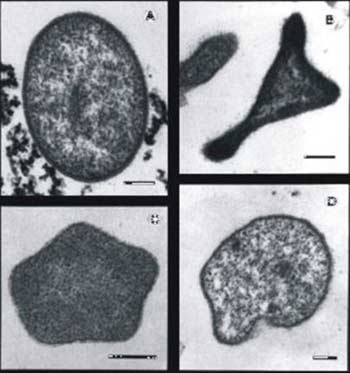
According to two microbiologists Derek Lovley and Kazem Kashefi, of the University of Massachusetts at Amherst (USA), the limit of temperature at which life can survive…
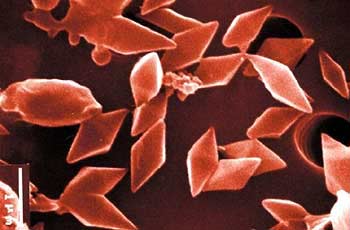
In the kingdom of microorganisms, there are many poachers of worms. Hundreds of thousands of years ago, they still silently helped people to kill pests, protect fields.…
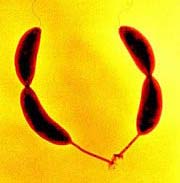
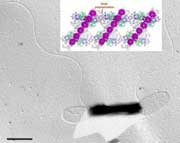
Geckos, mussels and oysters must now step aside - when physicists find the owner of the world's most persistent glue, the Caulobacter crescentus species, which specializ…
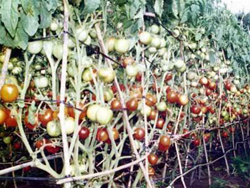
In addition to worrying about the output, tomato farmers still watch out for other worries: the wilt caused by Ralstonia solanacearum, which is raging every year. But no…
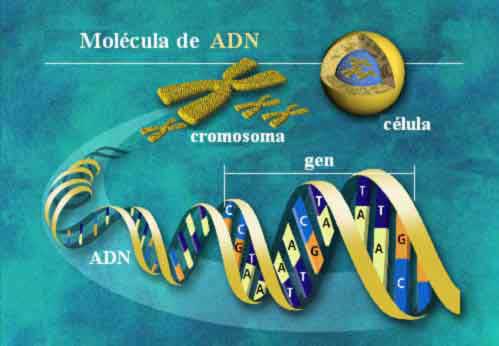
Researchers at Laval University (Canada) have found a new way to simplify the discovery of genetic abnormalities, identify bacteria or viruses, and even discover gene mu…

US researchers have used a strain of bacteria to turn an important component of waste cups, plates and utensils into a self-destructing, useful plastic. This potential c…
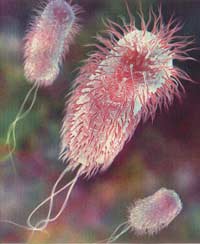
The two most common bacteria - E-coli and Shewanella Oneidensis (SO) have surprised scientists, because they can survive under a test pressure greater than 17,000 times…