New technology
This robot will replace cosmic astronauts
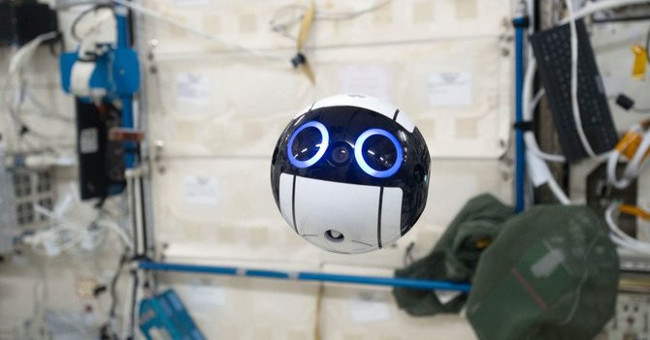
According to the Japan International Space Agency (JAXA), Int-Ball is a robot-drone capable of filming and shooting in outer space.
Browse ScienceInfo articles and explainers related to Ball.
355 published items.
According to the Japan International Space Agency (JAXA), Int-Ball is a robot-drone capable of filming and shooting in outer space.
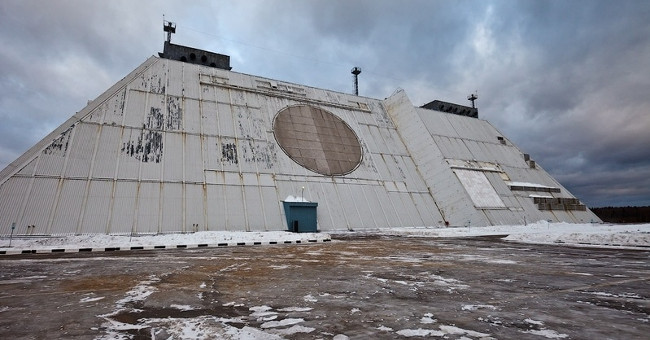
Located in the A-135 anti-ballistic missile complex on the outskirts of Moscow, the Don-2N radar can detect targets from all directions at extreme distances.

You can fully grasp it

Robot Marty can go, jump, kick the ball and it's easy for young children to program themselves for it.
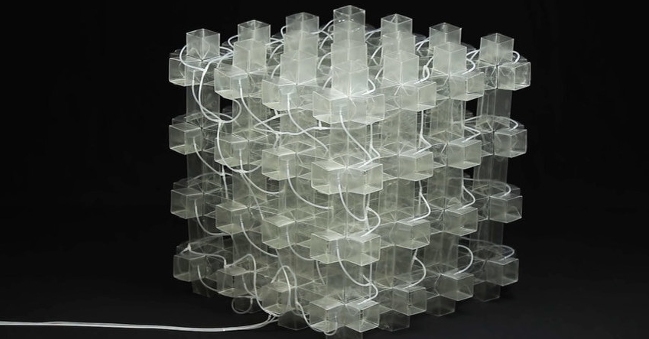
Nano-structure researchers at Harvard University have successfully developed a new material that is capable of zooming in, zooming out and customizing the hardness of on…
Imagine that electrical energy is always around us, just as you move, or walk a step can produce energy.
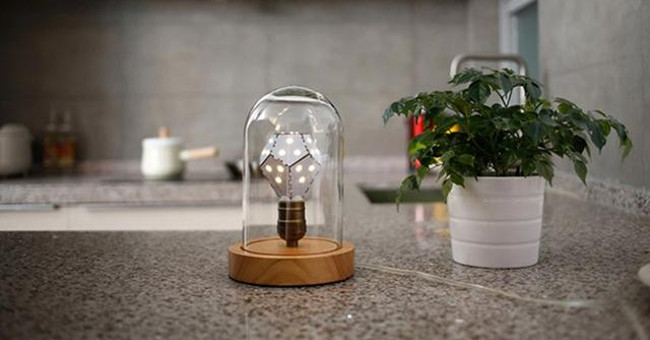
Power-saving lamps, LED lights we all have seen, today we will see a unique energy saving lamp in the world - Nanoleaf Lamp.

When a fire occurs, the more quickly the fire extinguishes, the simpler it is, the higher the efficiency is and the greater the damage caused by the incident.
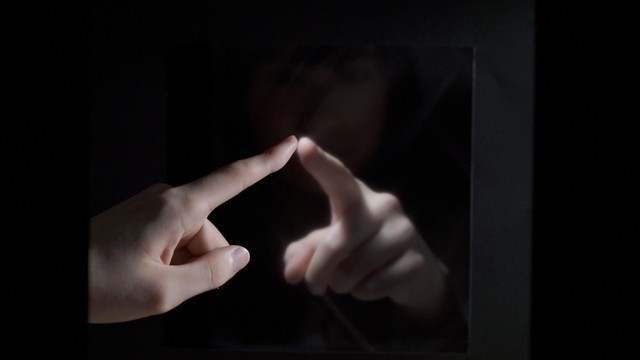
Many people were amazed and interested in a technology device to help experience virtual interaction called HaptoClone - an invention of the Shinoda laboratory at Tokyo…
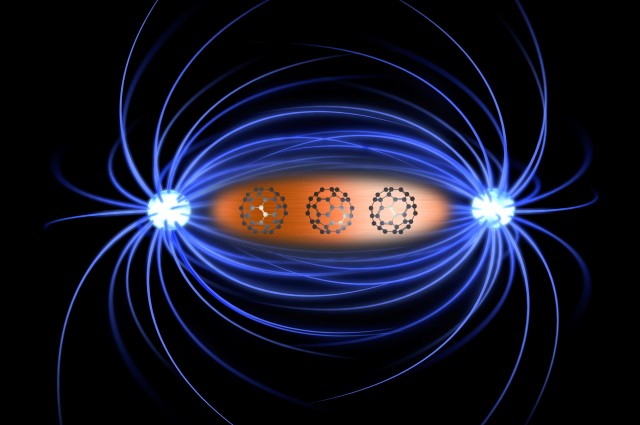
Is there any way to make any metal become magnetic metal such as iron, cobalt and nickel?
The disadvantage of using pencils is that we have to constantly brush, even when using a pencil, while writing, we also have to rotate the pen several times.
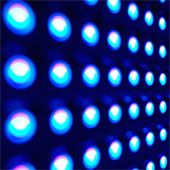
This year's Nobel Prize for Physics was awarded to a group of three Japanese scientists for the invention of blue LED bulbs.

10 cute robots 'stand' on the balls, moving and dancing to standard music like professional cheerleaders.
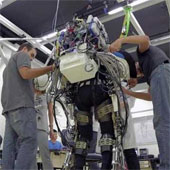
The first shot at the opening ceremony of this year's World Cup will be done by a disabled person thanks to a robotic jacket called Iron Man that can receive control sig…
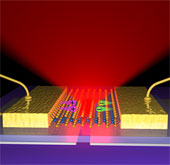
Scientists at the University of Washington have successfully created the world's thinnest LED ball that can use light energy.