Animal world
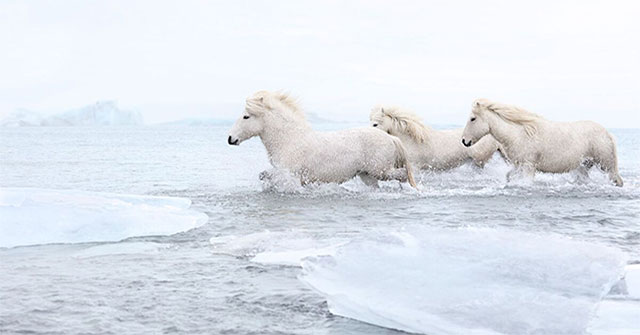
Legendary horse breeds on icy islands
More than 1,000 years apart on the island, Iceland horses are the purest breed in the world, with strong beauty and high adaptability.
Browse ScienceInfo articles and explainers related to Beach.
424 published items.
More than 1,000 years apart on the island, Iceland horses are the purest breed in the world, with strong beauty and high adaptability.
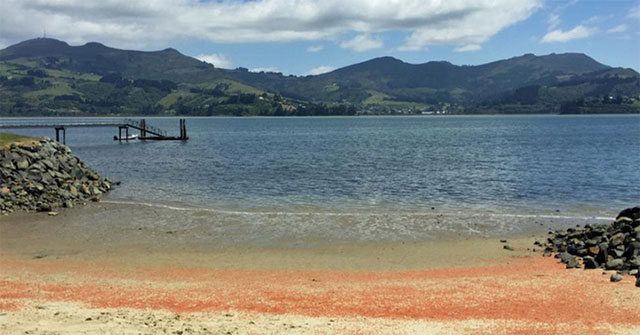
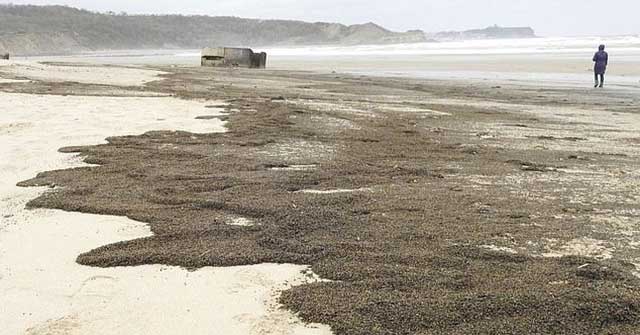
The lobsters simultaneously clung to the sand to lay their eggs and died when the tide receded, creating an impressive setting.
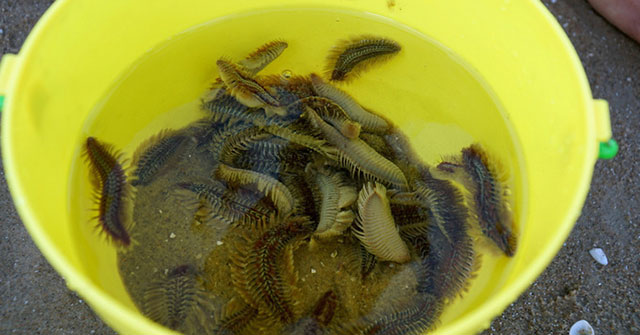
Fireworms belong to a group of dangerous organisms, with a silk undercoat containing toxins, irritants, skin lesions, they eat snails and clams.

A woman walks on the beach south of Sydney, Australia, to her astonishment when a strange purple creature is washed ashore.
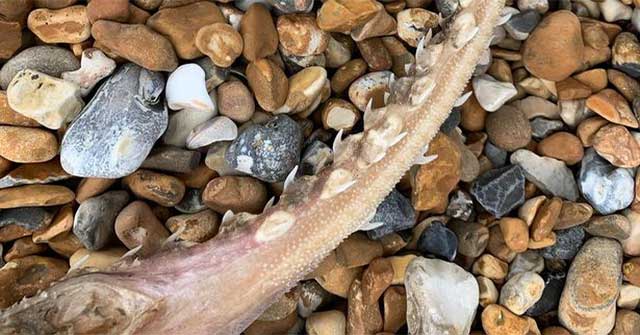
This bizarre shape was discovered by a girl named Leah Dennison while walking with her husband on the beach.
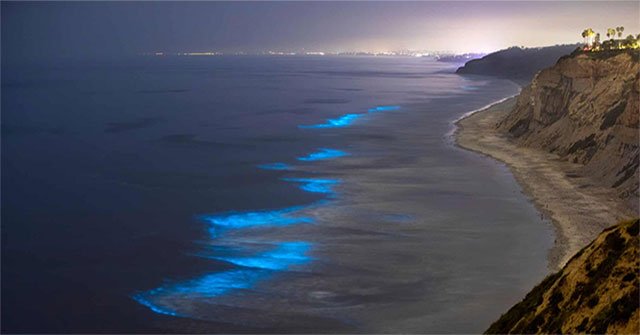
In the midst of the pandemic, nature brought an unprecedented gift to night seafarers in Southern California, USA, a bioluminescent wave caused by algae blooms.
Unusual spectacle rarely happened, so the witnesses shuddered.

The beautiful beaches are the first choice for many travelers when summer is approaching.
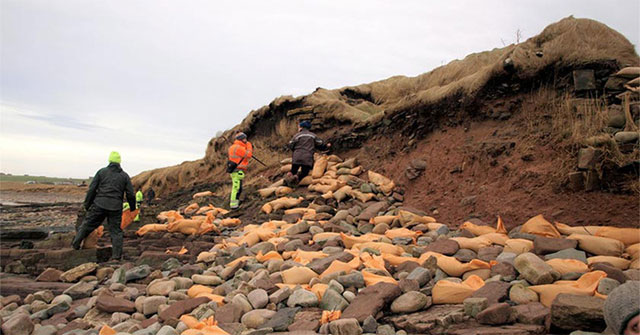
The beach on the largest island in the Orkney Islands, north of Scotland, suddenly remains after a series of big storms: they are Vikings or ancient Pict.

By measuring the weight of each LEGO toy brick found on the beach compared to the equivalent unused pieces, the researchers estimate that these items could exist in the…
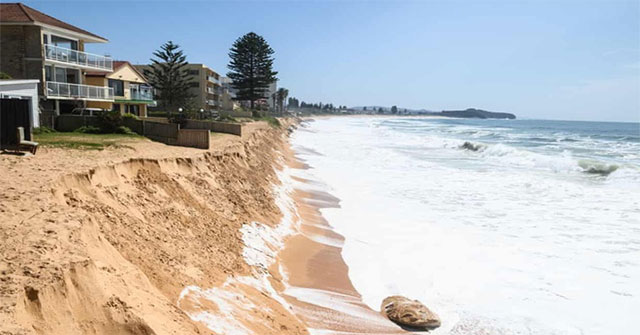
Scientists predict that about half of the world's beaches will be significantly narrowed by the end of the century, due to coastal flooding and human impacts.
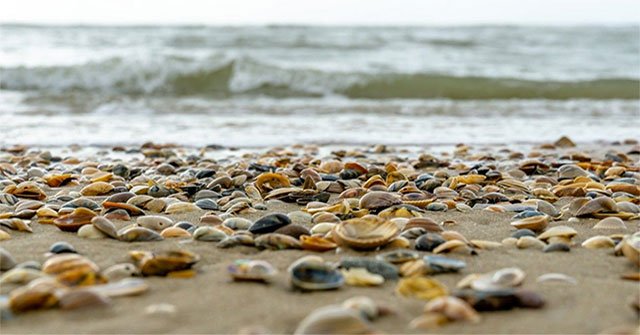
The intense heat left hundreds of thousands of mussels and mussels on a beach on New Zealand's North Island
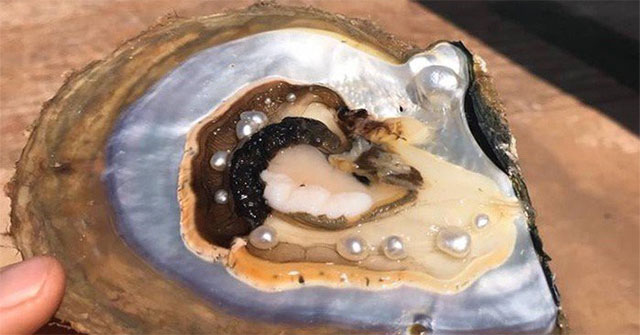
The cradle that produces the pearl is a mollusk like a scallop, a pearl on the beach and a freshwater mussel.
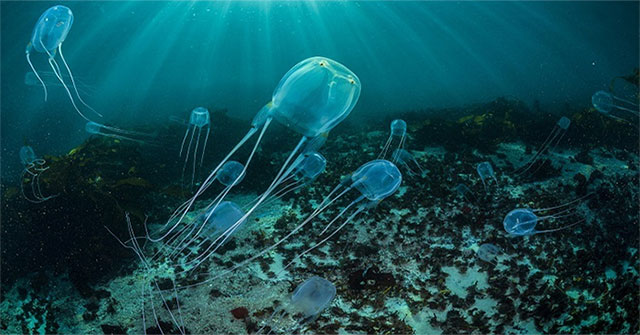
Local authorities decided to close the beach to reduce the risk of venom poisoning for residents after 30 people became victims of jellyfish.
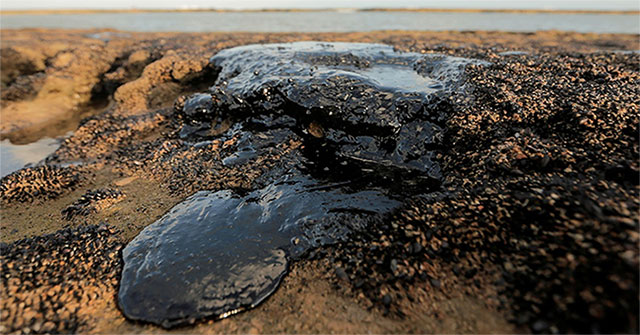
Dense streaks of oil have severely damaged Brazilian beaches for nearly four months, but the cause has not been determined.