Biology
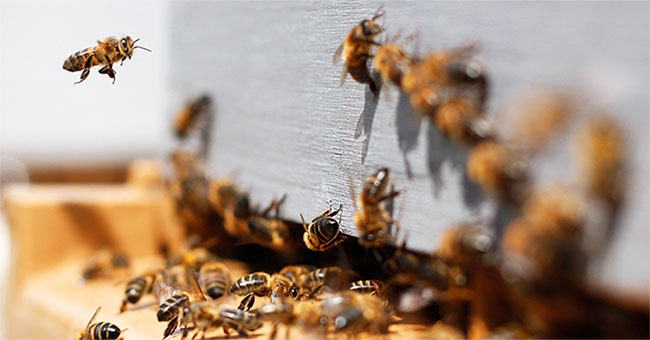
Find out how to recover insect and bee pollen pollen
According to The Guardian, to prevent the extinction of pollinators, some countries impose a ban on pesticides, but this approach is not conducive to farmers.
Browse ScienceInfo articles and explainers related to Bees.
297 published items.
According to The Guardian, to prevent the extinction of pollinators, some countries impose a ban on pesticides, but this approach is not conducive to farmers.
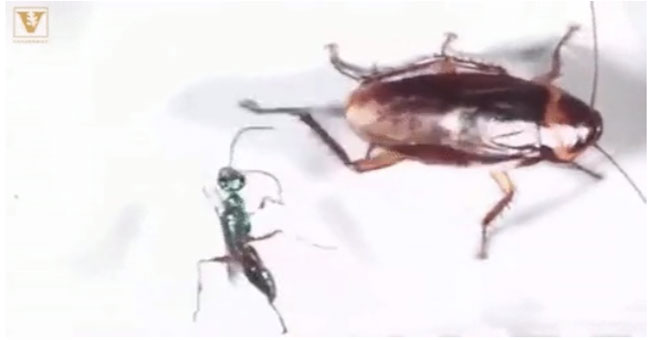
Cockroaches, if you leave out the vigorous survival and unconditional fertility, then it is just a weak bug.
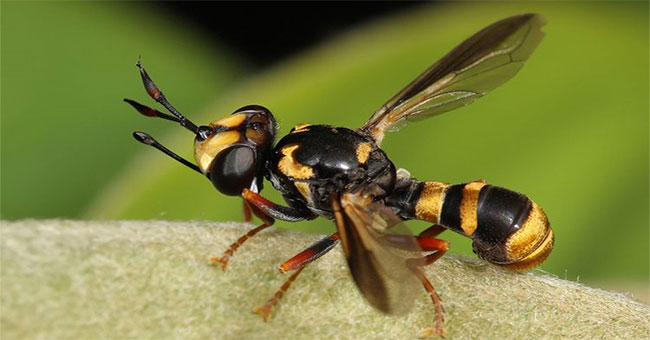
In addition to habitat loss and exposure to pesticides, bees also face increased pressure from Conopid fly parasites.
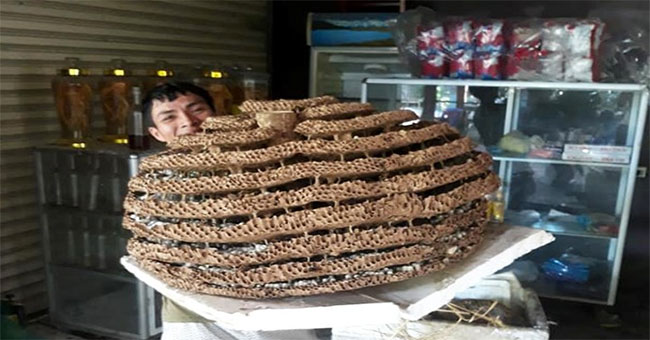
In the last days of October, people hunting bees in Nam Hung commune, Nam Dan district hunted a giant honeycomb, weighing over 20kg.
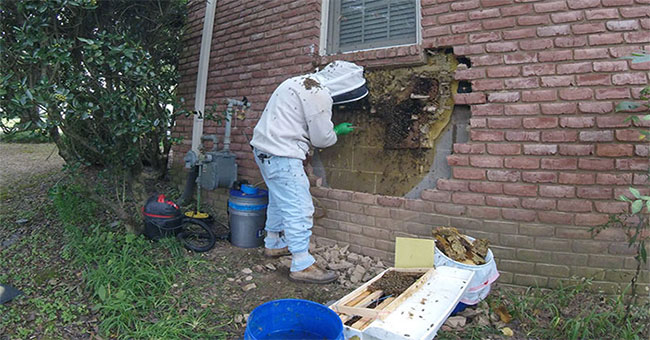
The honeycomb removal expert identified the nest nearly a meter wide and 1.5 meters high, growing for nearly two years in brick walls.
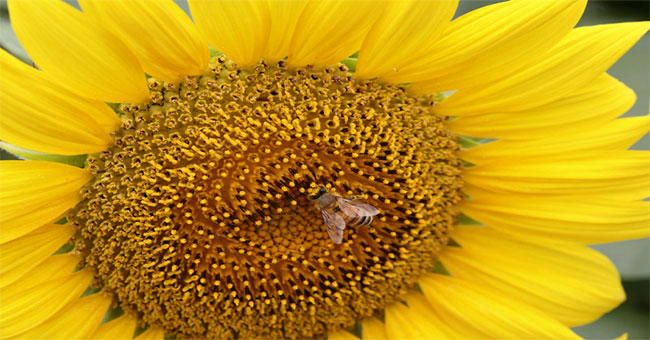
Good accessibility to flowers and sunflower pollen can help vulnerable bees avoid pathogens.
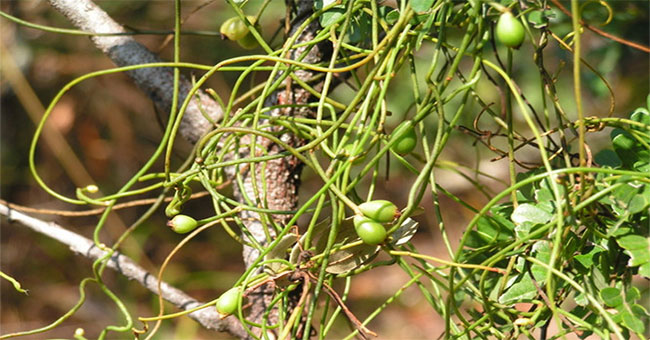
Green silk is a parasitic plant, whose scientific name is Cassytha filiformis. This terrifying plant specializes in sucking up nutrients in the wasps and turning bees in…
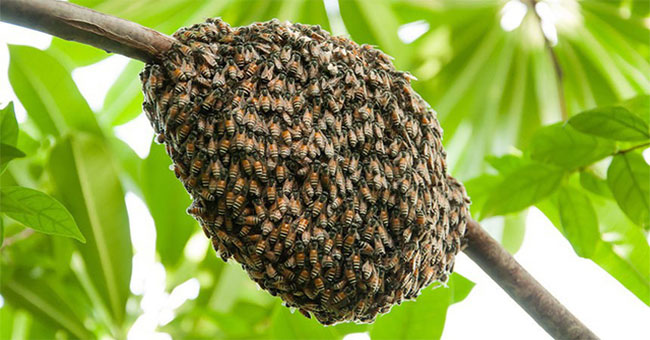
A strong wind cannot drop a cluster of honey bees, and now scientists are beginning to understand the reason.
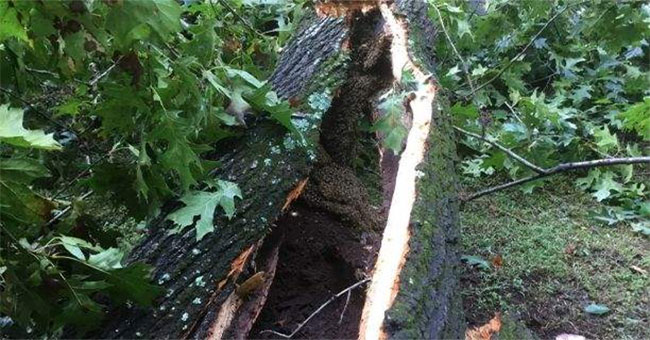
Officials at the University of Richmond, Virginia, took part in rescuing nearly 70,000 bees after a tornado on Sept. 17 plunged large trunks near the school yard, accord…
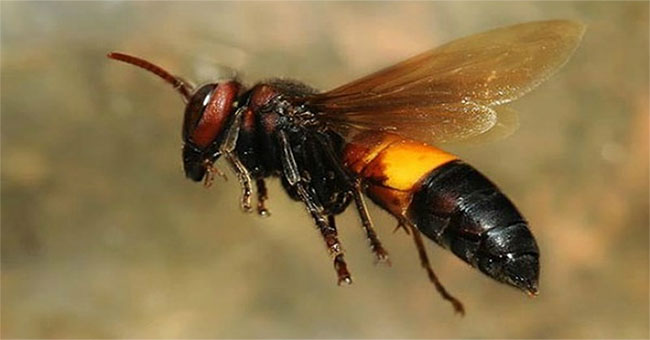
Mature bumblebees are about 5.5cm in size. Many insects are mistaken for bumblebees, in the world only about 20 species of bumblebees are classified according to aggress…
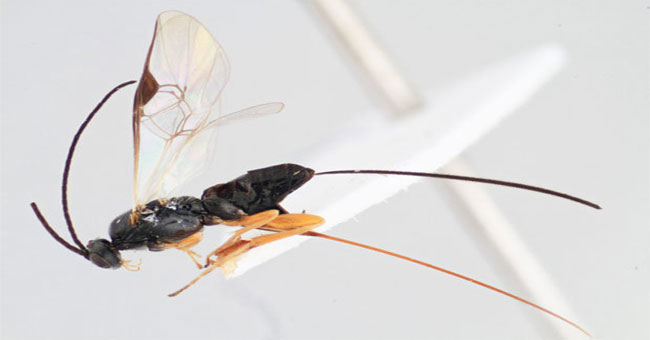
According to the Daily Star, newly discovered bees named Dolichogenidea xenomorph lay eggs on the host's body. The children grow up to eat host meat and grow into adult…
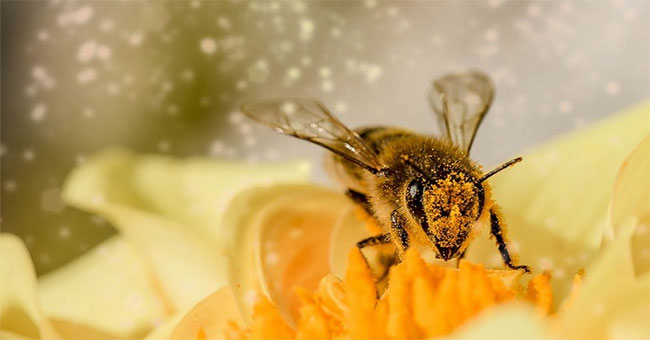
Some animals have the ability to understand numbers. But there are many numbers that are difficult to define and capture, such as numbers

Every day, bees have to make many trips with long distances to gather important resources from chalk and nectar.
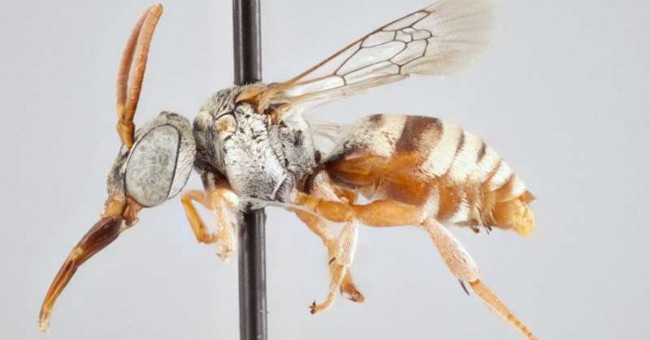
Cuckoo bees are similar in shape to hornets. However, unlike other bees, cuckoo bees do not have hairs - tools to collect pollen.
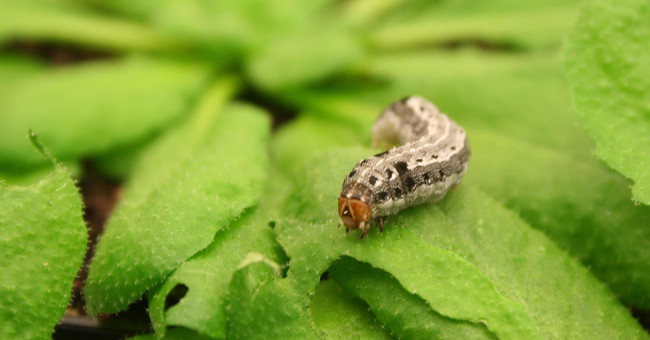
According to Science Advances magazine, the caterpillar Spodoptera littoralis, who specializes in eating corn leaves, has found a way to overcome plant protection system…