Oceanography
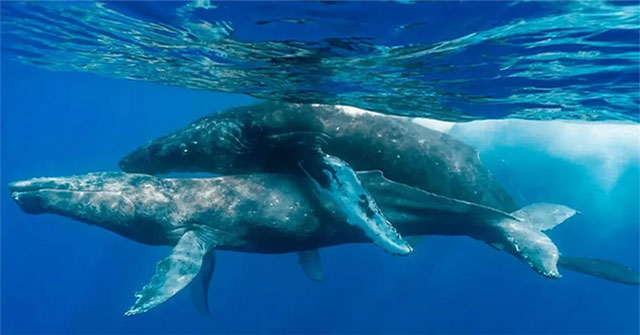
Unexpected discoveries about the sex life of humpback whales
Humpback whales were discovered for the first time to have homosexual behavior from two male individuals.
Browse ScienceInfo articles and explainers related to Behavior.
707 published items.
Humpback whales were discovered for the first time to have homosexual behavior from two male individuals.
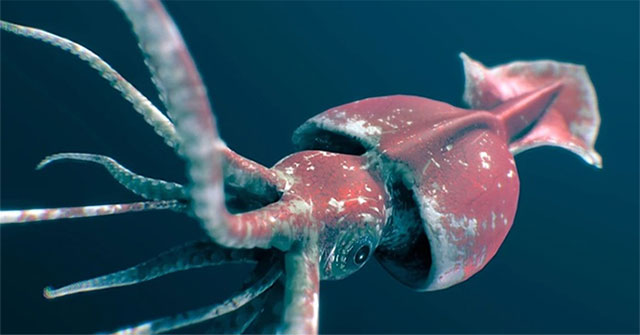
Because they live at depths of thousands of meters and rarely surface, the behavior and reproduction of the Antarctic giant squid is still a big mystery to researchers.
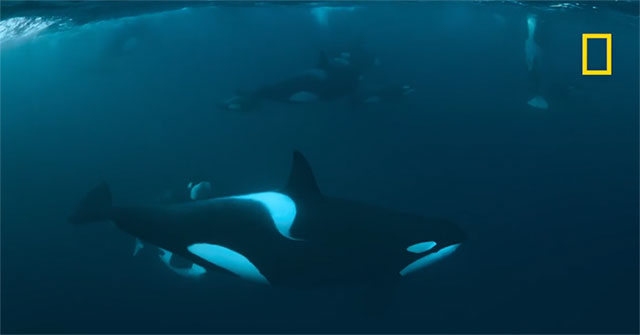
The extremely rare moment when a killer whale and his son both drowned another calf of a neighboring herd was recorded for the first time by a National Geographic film c…
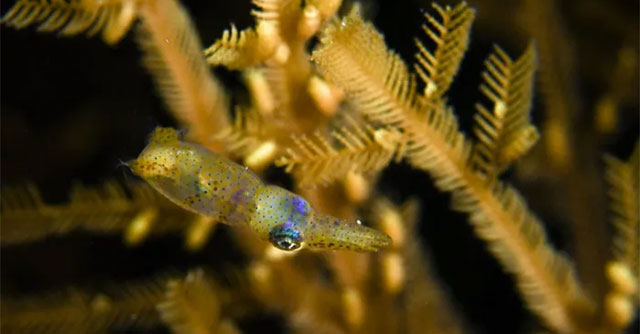
Scientists have recently discovered two species of dwarf squid, only about 1cm in size, living in Japanese coral reefs.

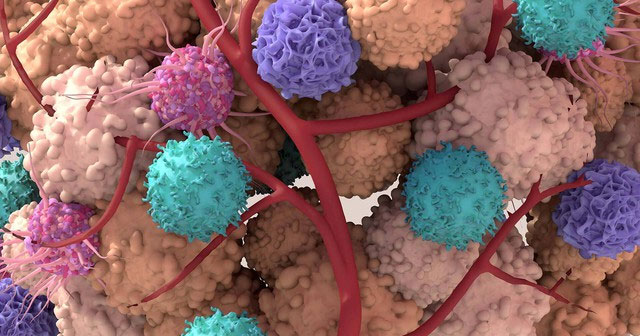
Cancer is a terrible disease that kills millions of people every year.

Male robot Mohammad behaved inappropriately with a female reporter during a technology event taking place in Riyadh.

In the summer of 2019, a person recorded a scene of seagulls 'partying' on Bournemouth beach with wines and beers that tourists have not drank.
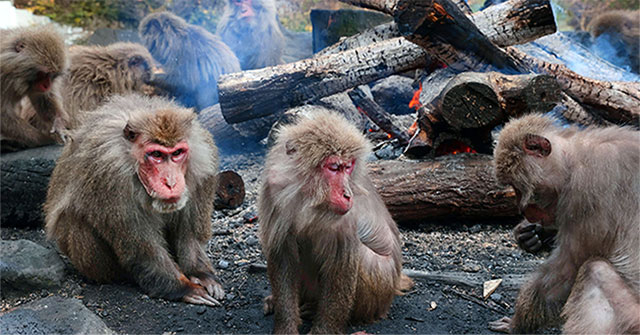
Recently, in Japan, there have been a series of attacks on humans and other unusual behaviors of many animals.

Compact robot vacuum cleaners are becoming more and more popular in households, gradually replacing bulky vacuum cleaners.

Scientists have identified a new, extremely creepy behavior of monstrous black holes that could cause worlds like Earth to be destroyed from within.

Researchers at Georgia State University, USA are shocked after gene editing experiments make hamsters more aggressive

OCD (Obsessive Compulsive Disorder) is also known as Obsessive Compulsive Disorder. This is a mental disorder of chronic nature, the common sign of the disease is being…

Is depression unique to humans? Of course not! Because many animals in captivity also suffer from 'depression'.

The 'disease' of procrastination has followed people for centuries. Even passionate artists like Victor Hugo are not immune to distractions