
Science story
Two mathematicians find order in the chaos to receive the Abel Prize
Hillel Furstenberg and Gregory Margulis have applied theories of probability, randomness and system dynamics to many areas of mathematics.
Browse ScienceInfo articles and explainers related to Behavior.
707 published items.
Hillel Furstenberg and Gregory Margulis have applied theories of probability, randomness and system dynamics to many areas of mathematics.

US scientists recorded sponges sneezing, rare behavior of animals living in the deep sea.
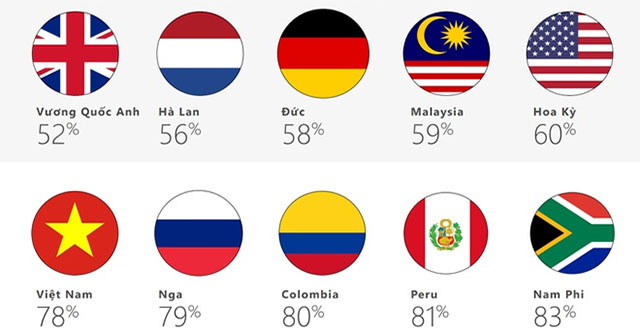
Of the 25 countries surveyed, Microsoft ranked South Africa as the least civilized country online. What criteria are they sorted by?

There is a neuron in dog brains and other mammals that respond to stimuli in the hair follicle.
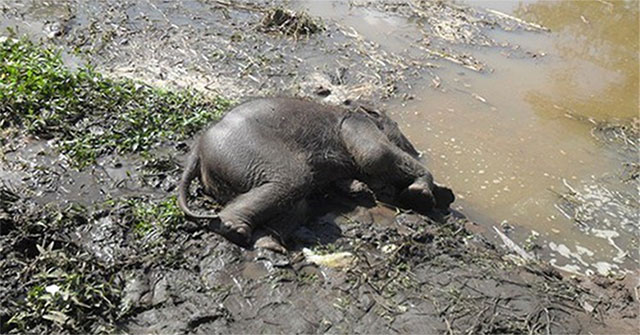
We often see elephants walking in large swarms in the forest but never saw the elephants' bodies when they died? Why so?

Recent research by scientists has shed some light on this strange phenomenon.
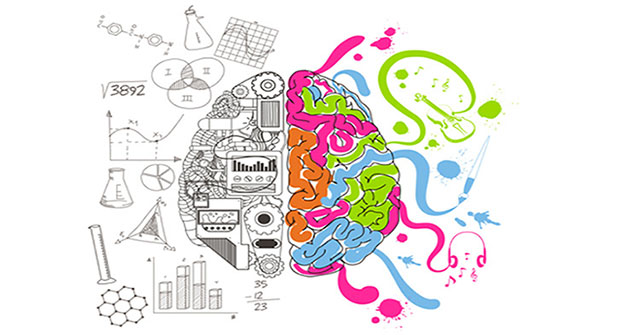
Research published in Frontiers magazine shows that color affects the brain processing information, in which red makes people easily spend money.

There is no exact answer as to why cats often act as kneading dough on soft surfaces, but this may be due to their instincts, maybe they are marking territory, creating…

Migratory birds, migratory birds or migratory birds only show regular, seasonal movements, usually on a north-south route between breeding and wintering habitats. Many b…

The primordial lizard fossils curling around young animals are the first example of animal feeding behavior in the animal kingdom.

Everyone has different interests, strengths, and shortcomings creating their own personality, creating each person unique, unlike anyone.

About 20% of the world's population is addicted to food, which is especially true for overweight people. Food addicts also often have the same symptoms as those who are…
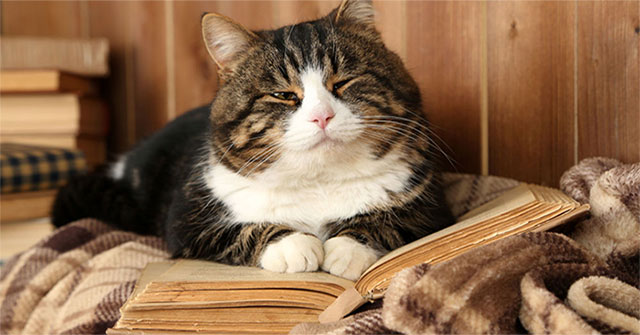
Scientists have found that very few people can understand a cat's feelings through its behavior, but this can be learned.
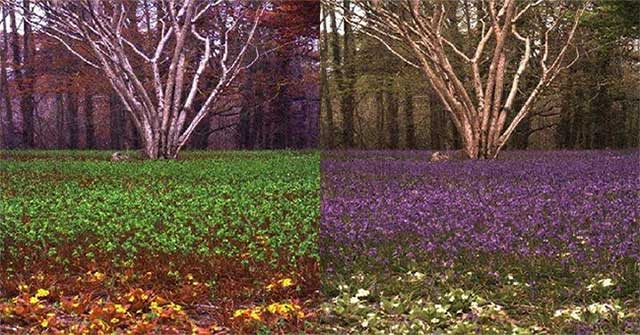
Technology of analyzing quantitative color models helps scientists understand the behavior of animals and apply them to determine how to camouflage them.

Scolding pets does not help them fix bad habits or train good reflexes.