Biology
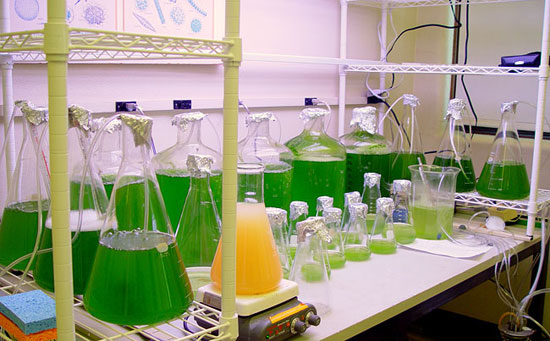
Argentina produces biofuels from marine algae
Argentina's Oilfox SA has inaugurated the first algae-based biodiesel plant in Latin America, with the goal of gradually replacing the production of biofuels from soybea…
Browse ScienceInfo articles and explainers related to Biofuel.
178 published items.
Argentina's Oilfox SA has inaugurated the first algae-based biodiesel plant in Latin America, with the goal of gradually replacing the production of biofuels from soybea…
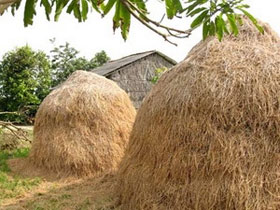
Scientists at the University of Twente (Netherlands) have just studied a new method that can extract biofuels with high efficiency and low cost from agricultural and for…
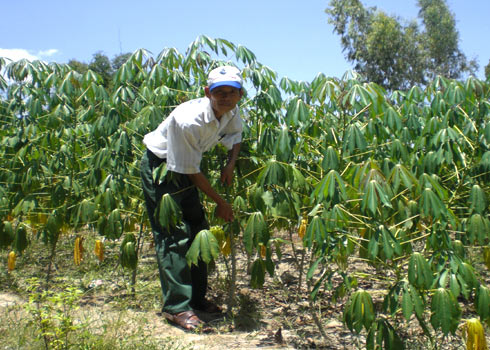
6 biofuel plants have been licensed with an annual demand of about 1.2 million tons of cassava chips, in which Quang Nam factory has operated. Businesses are worried abo…
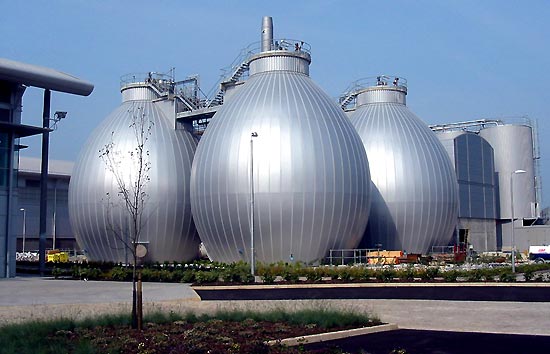
Scottish scientists at Edinburgh Wine and Beer University have invented a new biofuel derived from whiskey that can be used to drive cars.

Treating the amount of algae released after biofuel production, Indian scientists turned them into plastics.

After eagerly planting Jatropha trees to develop biofuels, many units were disappointed to find that this tree was not as effective as introduced.


The US Cobalt company has found a way to produce bioethanol from a dead plant due to the beetle infestation.

Heating microalgae in high pressure cookers can speed up the production of crude oil from millions of years (in nature) to several tens of minutes.

Thanks to genetic modification technology, plants that cause many human health problems can become a source of biofuels for engines.

Shrimp shells can contribute significantly to the production of environmentally friendly biofuels.

Fossil energy sources such as oil and coal are non-renewable sources of energy, which are gradually depleted.
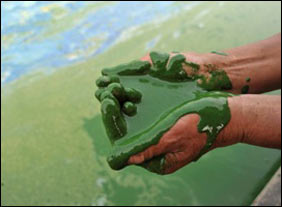
Hundreds of companies and laboratories around the world are racing aggressively to find an economical way to process

Hundreds of thousands of tons of watermelons thrown away annually around the world could become a source of fuel for biofuel production.

The ability to turn CO2 into methane with electric current from some species of bacteria can help humans create huge renewable sources of renewable energy.