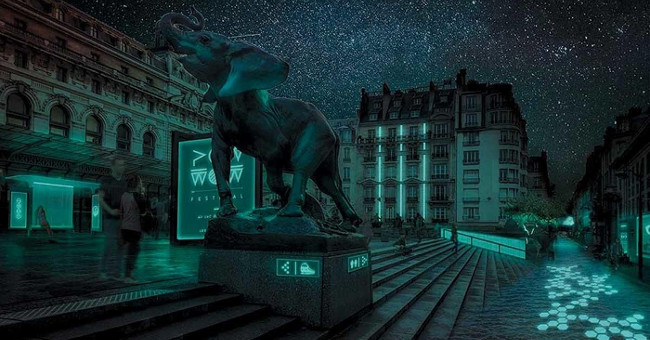
New technology
New findings use bacteria to make lights
Light pollution is a global problem, deeply affecting people's lives and health. Is bio-light a solution to this problem?
Browse ScienceInfo articles and explainers related to Biological.
701 published items.
Light pollution is a global problem, deeply affecting people's lives and health. Is bio-light a solution to this problem?
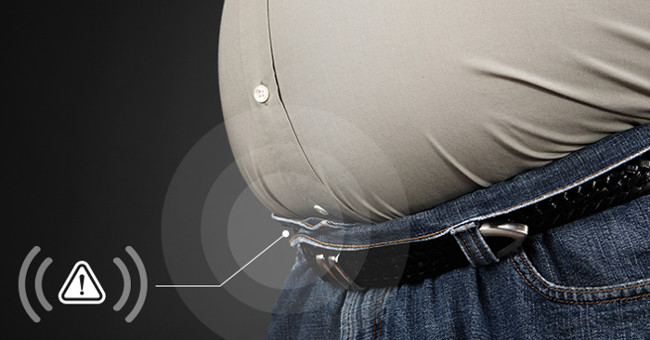
According to Samsung, smart pants are not different from regular pants, they even bring a modern and unique look, suitable for all people's lifestyle.

For the first time in years, Rhian Lewis's eyesight was restored and she was happy to see the clock again clearly.
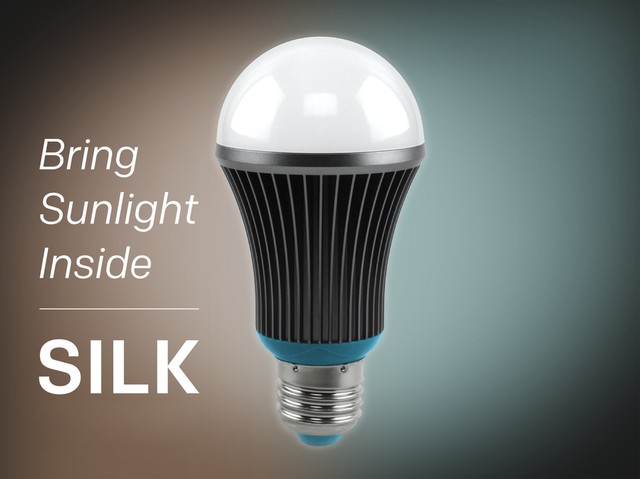
As a smart light bulb capable of automatically adjusting color temperature in accordance with the biological pace of the user's body, Silk Light has brought a definition…
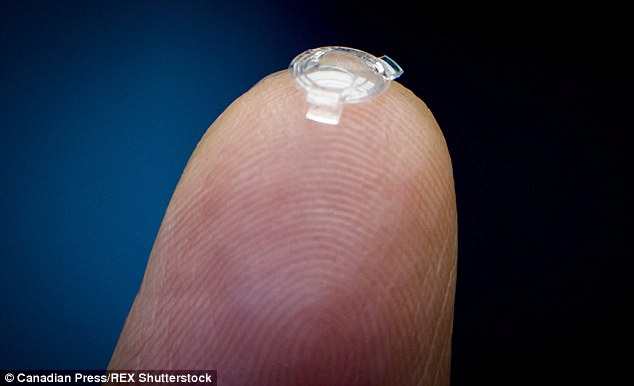
This is a type of contact lenses that use biological materials, can be permanently implanted into the human eye.

A hand held machine that looks natural? This has become a reality with the results of research and fabrication of scientists at the Institute of Biological Robotics Sant…
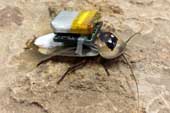
When disaster strikes, every minute is significant, especially for rescuing trapped victims. In an attempt to find faster survivors, American researchers developed bio-c…
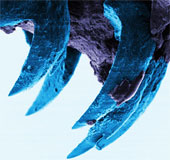
British scientists believe that the teeth of a slug may be the hardest biological material ever known.
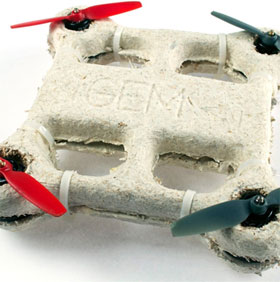
NASA scientists have successfully built an unmanned mini-spy plane from biological materials.
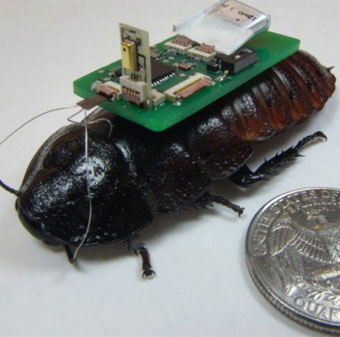
Dr. AlperBozkurt said the search for survivors was also the main focus of the study.

According to the Los Angeles Times on November 3, a robot made by scientists at the University of Strasbourg (France), moved by wheel and shaped like a cute penguin.
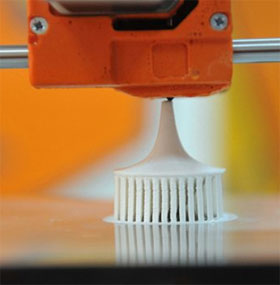
Russia's first 3D bio-printer makers promise in 2015 to print off internal organs that function properly

Chinese experts have recently found a way to make a sticky adhesive in the water.

Ralph Lauren has helped his clients wear better since it was launched in 1967 and now they want to be healthier.
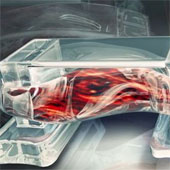
Scientists at the University of Illinois, Berkeley, have created a robot that is just over 1cm in size, built on the backbone hydrogel printed from a 3D printer.