Biology
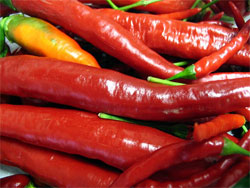
The most spicy when fighting enemies
Researchers at the University of Washington found that the chilliness of chili would increase in proportion to the amount of enemies it had to deal with like insects, fu…
Browse ScienceInfo articles and explainers related to Biology.
658 published items.
Researchers at the University of Washington found that the chilliness of chili would increase in proportion to the amount of enemies it had to deal with like insects, fu…
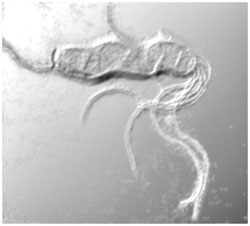

The weta crickets are indeed huge. Weighing up to 20 grams, they are one of the heaviest insects in the world. But the male is only half that size.
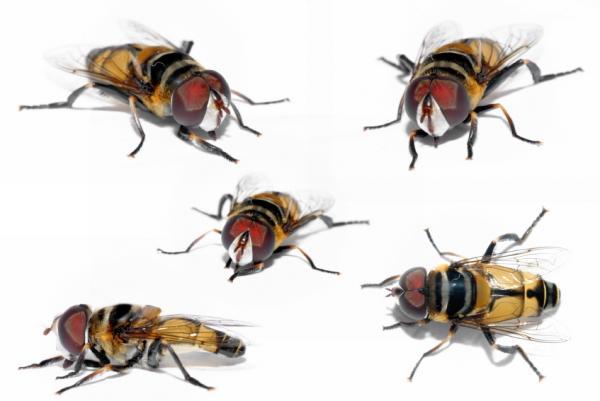
Two new studies are published in the September 11 edition of Current Biology, a Cell Press publication, revealing that fruit flies are also affected by neighbors.

Plants produce chemicals that relieve pain like Aspirin that we use often.

Harvard scientists have just created germ cells for 10 genetic disorders. This allows you to look at the diseases that develop in a lab dish. This achievement, using a n…
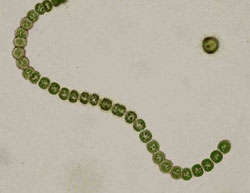
With a new computer system, Sheffeild University scientists have developed the metabolic mechanism of Nostoc bacteria. Accordingly, Nostoc fixes nitrogen, and releases h…
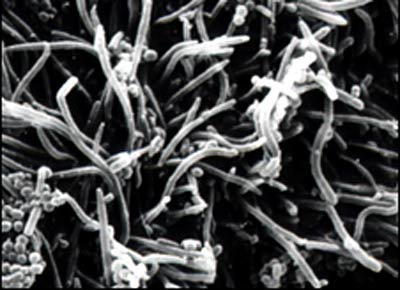
A new kind of bacteria, growing stronger in human mouths, can contribute to gum disease and tooth decay that has been discovered by scientists at King's College London,…

Dao households in Mau Son mountain area, Lang Son province, are gradually recovering the famous precious peach variety of the region.
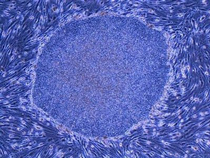
Japanese scientists announced yesterday that they have created stem cells from human wisdom teeth ...

Studies on mice have partly shown that genes affect active or lazy activity.
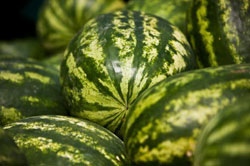
French scientists have just discovered a gene that can change the sex of the melon flower, so that a plant can produce both male and bisexual flowers.

On June 25, Ho Van with Kim Chau Island is famous in history books and is an indispensable part of the architectural complex of Van Mieu - Quoc Tu Giam historical and cu…
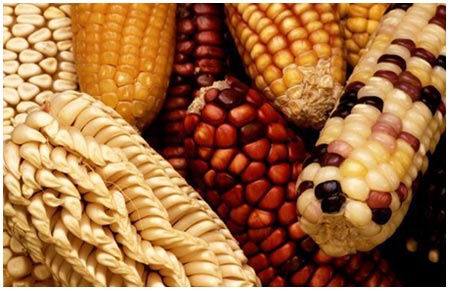
The ancestor of the original corn plant grows wild in completely different Mexico, the modern plant is the most important food source in the world. While the evidence ob…
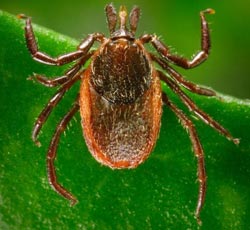
Researchers at the University of Bath have recently discovered a bacterium that causes Lyme disease originating in Europe, not North America, as previously thought.