
Space science
Project to build a water collection farm on Mars
Future astronauts on Mars may not have to worry about the broth on Red planet, because a water collector is expected to be deployed on the surface of Mars in 2018.
Browse ScienceInfo articles and explainers related to Bit.
2,317 published items.
Future astronauts on Mars may not have to worry about the broth on Red planet, because a water collector is expected to be deployed on the surface of Mars in 2018.

As reported, on the morning of November 14, 2015,

Have you ever wondered why stars are visible only at certain times of the year? For example, why the night sky observers in the Northern Hemisphere can only see the Hunt…


A white dwarf star - the remains of the dead gold star rotate and tear the planet near it, sparking the assumption that many similar planets are moving around the dwarf.
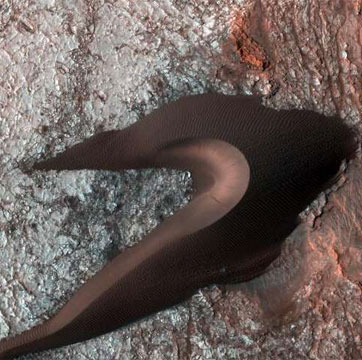
The camera on the Mars Reconnaissance Orbiter of the US Aeronautics Agency (NASA) took a picture of the Martian sand dune shaped like a large leech.

Astronomers have developed an index system of elements of a planet, helping to assess and classify the potential of life there.
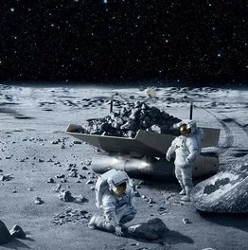
Human ambition in exploiting the universe is unlimited.
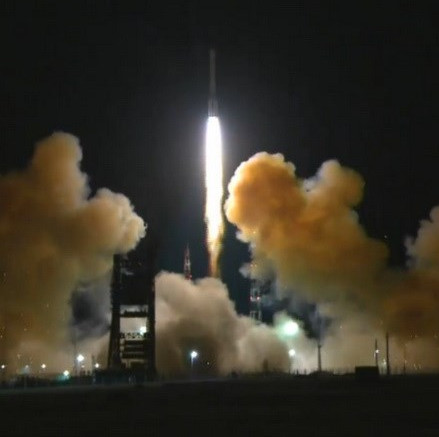
On September 15, Russia successfully launched the Proton rocket that carried the Express-AM8 telecommunications satellite to its target orbit from the Russian-leased Bai…
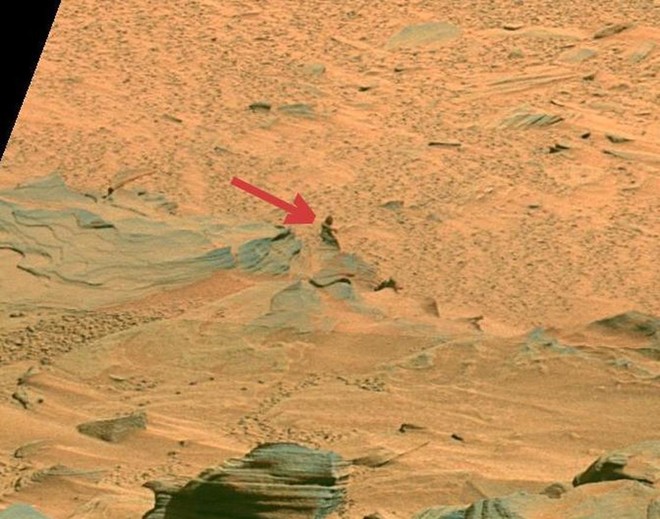
Mars probes once captured images that shocked viewers because they carried the form of a woman, a piece of a femur or a human face.
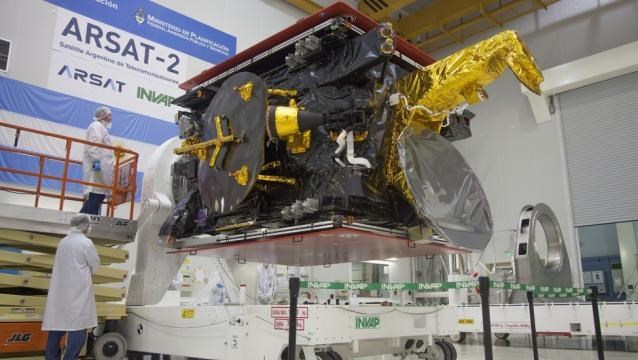
On August 12, the geostationary satellite named Arsat 2, made by Argentine scientists, was transferred to a container ready to be transported to the ground of Kourou in…

The dream of traveling to the distant galaxies of humans can be realized by micro-spacecraft moving by lasers.
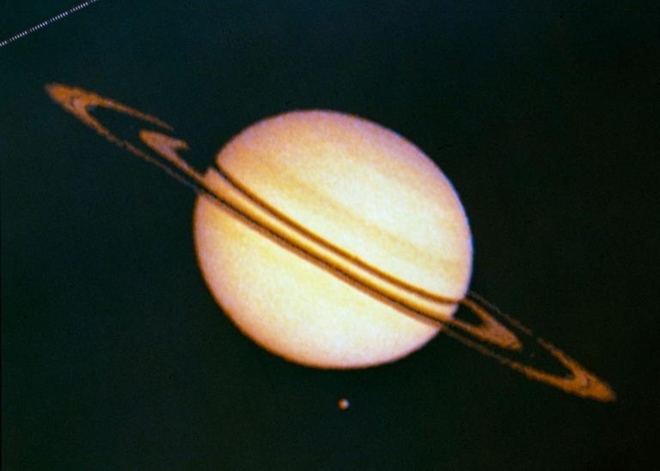
The first images of planets in the solar system are not always clear and sharp. But these are important imprints in the early period of human conquest of the universe.
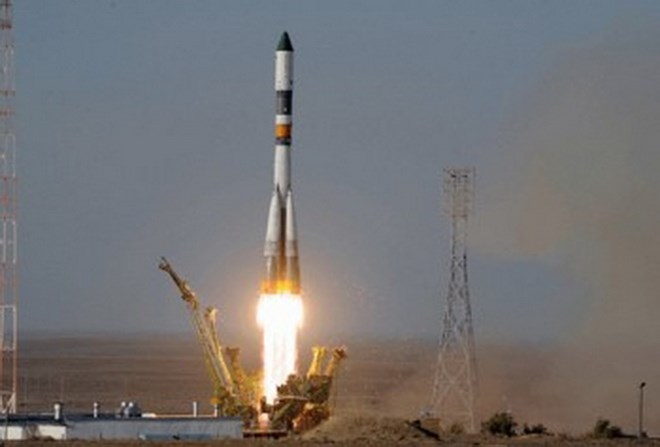
Sputnik reported, Russia's Space Flight Control Center announced July 3, the space transport ship
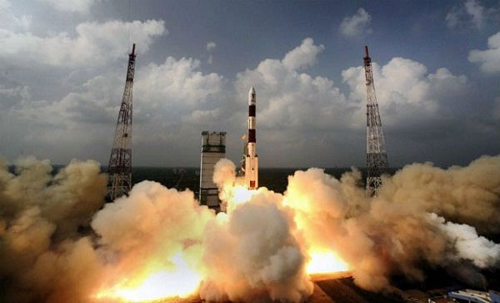
India has successfully put up five British satellites on Earth orbit with the XL Variations (PSLV-XL).