Space science
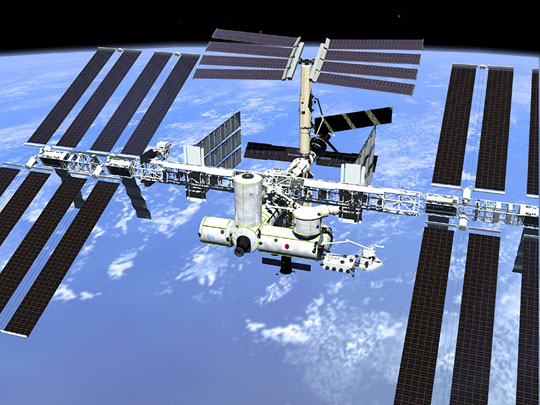
ISS was raised to 4.2km
Russia's space flight control center said it has adjusted the trajectory of the International Space Station (ISS) by 4.2km to facilitate successful pairing with spacecra…
Browse ScienceInfo articles and explainers related to Bit.
2,317 published items.
Russia's space flight control center said it has adjusted the trajectory of the International Space Station (ISS) by 4.2km to facilitate successful pairing with spacecra…
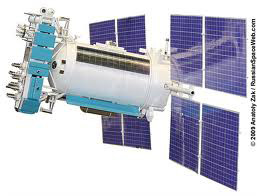
Three Russian Glonass-M positioning satellites, launched into orbit on December 5, fell off the Hawaiian Islands in the Pacific Ocean.
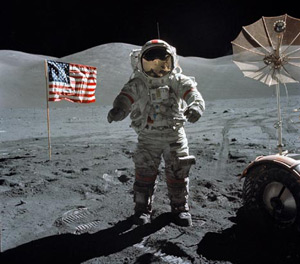
NASA announced, around 2016-2018, American astronauts will land on the dark part of the Moon. This project will be named L2-Farside drafted by Lockheed Martin ...
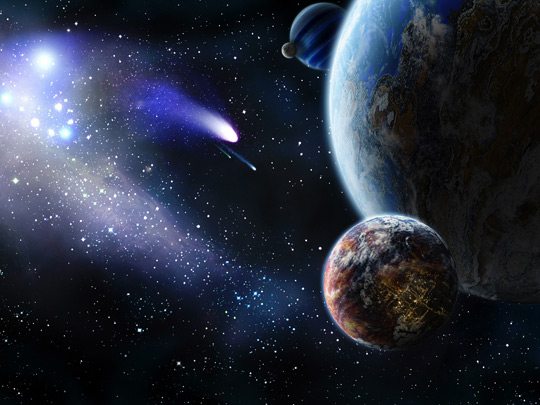
The night sky in December will welcome the most glorious meteor shower in 2010, with the only eclipse of the year, promising to be more attractive than the fireworks dis…
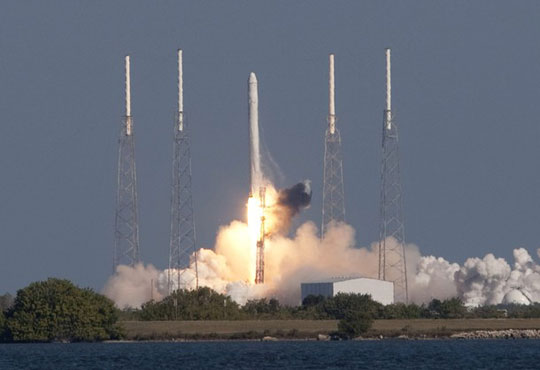
AFP news agency reported at 15:43 (GMT) on December 8, from the Kanaveral space airport, Falcon 9 boosters carrying the private Dragon spacecraft of SpaceX Company ...
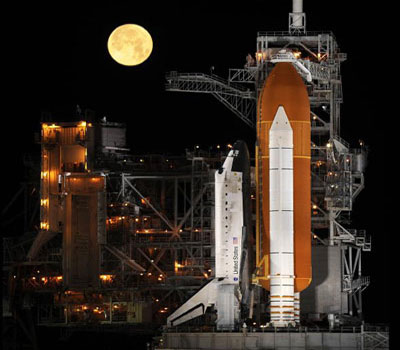
Only a few days left Space Shuttle Discovery will carry out its final mission. The third space shuttle of the US Space Agency (NASA) was put into operation,
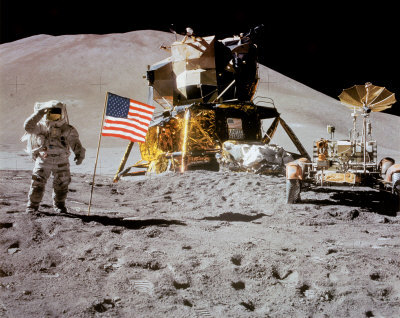
Chinese Prime Minister Wen Jiabao yesterday published photos of an area on the moon captured by Hang Nga 2.
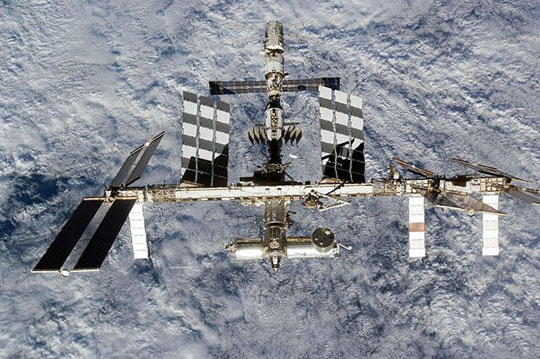
China launched a manned space station program, with the goal of building a human-space laboratory.
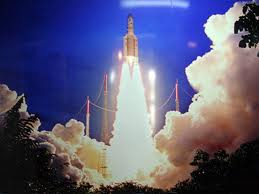
Ariane-5 brought two telecommunications satellites successfully launched into orbit to provide information services of Europe and Japan.
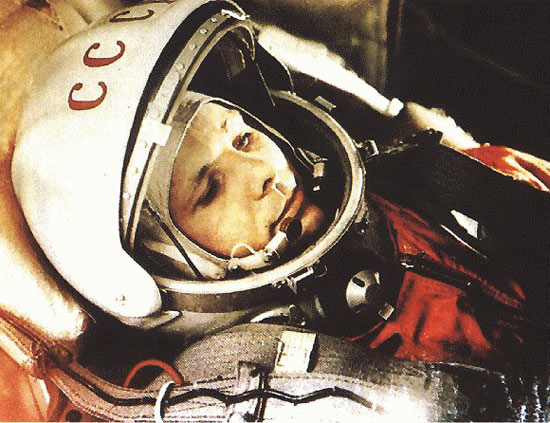
The era of the universe began in April 1961, when Soviet astronaut Yuri Gagarin flew into Earth orbit.
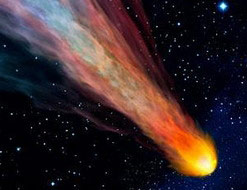
Astronomers of the US Aeronautics and Space Administration (NASA) said on September 9 that they had discovered two meteorites flying toward Earth between the orbit of th…
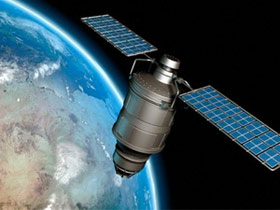
According to Euroconsult, from now until 2019, 1,220 new satellites will be launched into orbit with a total design and installation cost of $ 194 billion.
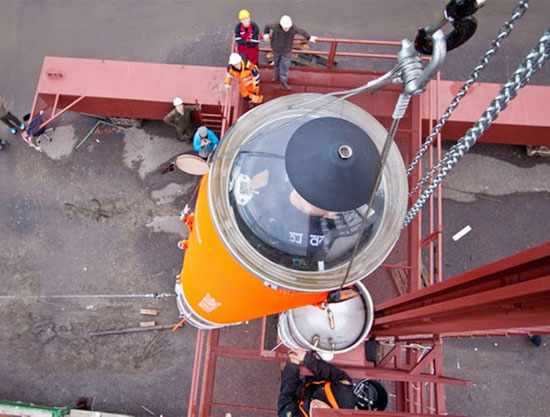
The dream of exploring the universe of two Danish youths was so great that they decided to build their own missiles and spacecraft to fly out to Earth.
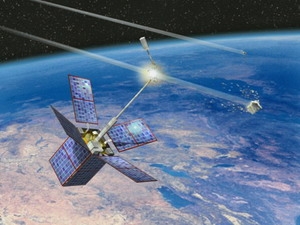
Automatic laser systems can detect and prevent debris floating on space colliding with spacecraft and satellites.
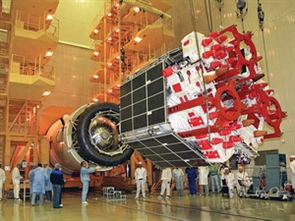
Russia's GLONASS satellite navigation system, equivalent to the US GPS system, will cover the whole world later this year.