World Heritage
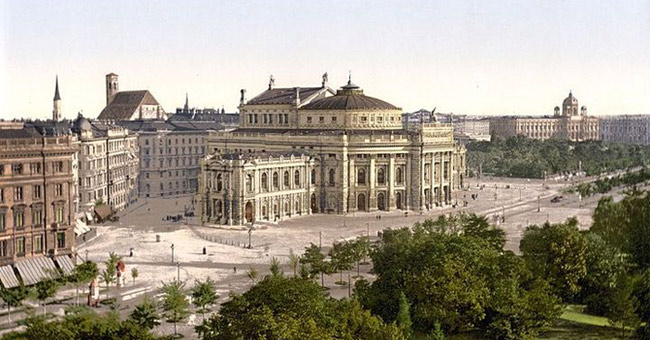
Historical center of Vienna
Unesco's Scientific, Educational and Cultural Organization has recognized the historic center of Vienna, the capital of Austria, as a World Cultural Heritage in 2000.
Browse ScienceInfo articles and explainers related to Building.
359 published items.
Unesco's Scientific, Educational and Cultural Organization has recognized the historic center of Vienna, the capital of Austria, as a World Cultural Heritage in 2000.

Unesco's Scientific, Educational and Cultural Organization has recognized the historic center of the Austrian city of Salzburg as a World Cultural Heritage in 1996.
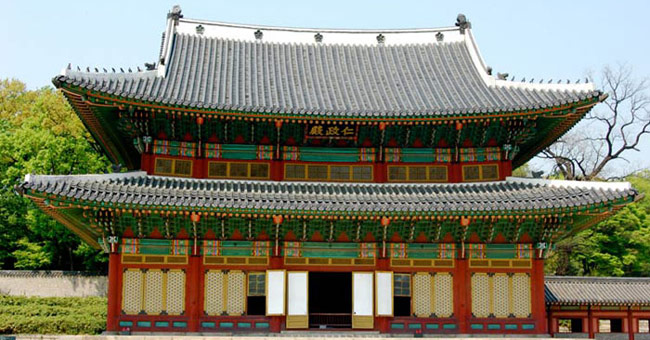
Unesco's Scientific, Educational and Cultural Organization has recognized Korea's Changdeokgung Palace as a World Cultural Heritage in 1997.
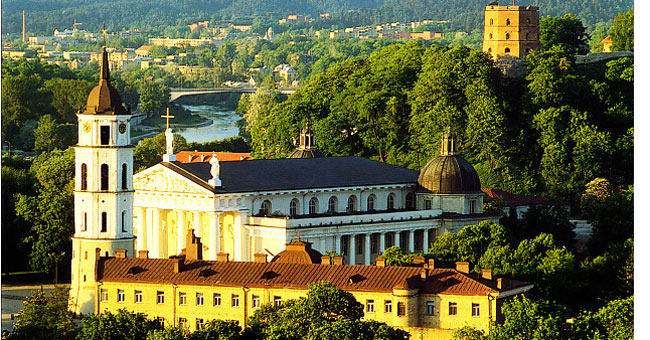
The Unesco Scientific, Educational and Cultural Organization has recognized Lithuania's Vilnius Calendar Center as a World Cultural Heritage in 1994.
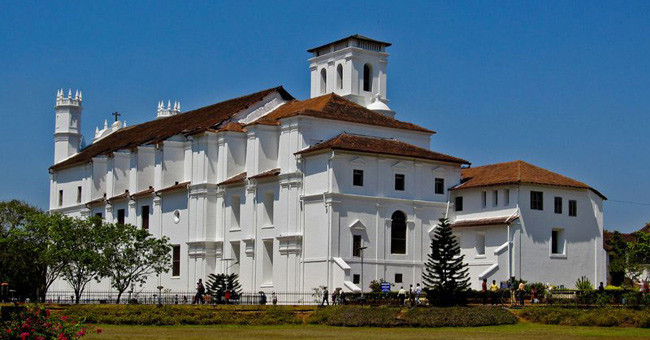
Unesco's Scientific, Educational and Cultural Organization recognized the Church and Monastery in Goa of India as a World Cultural Heritage in 1986.

According to ocean researcher, Mr. Tom Durrant, the above wave broke the record for the highest wave also in the Southern hemisphere in 2012 was 22.03m.
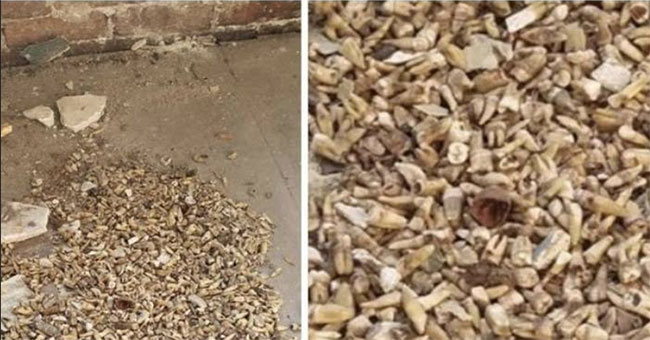
Ancient dentists may have placed new teeth in the alcove and considered it a quick way to dispose of them.
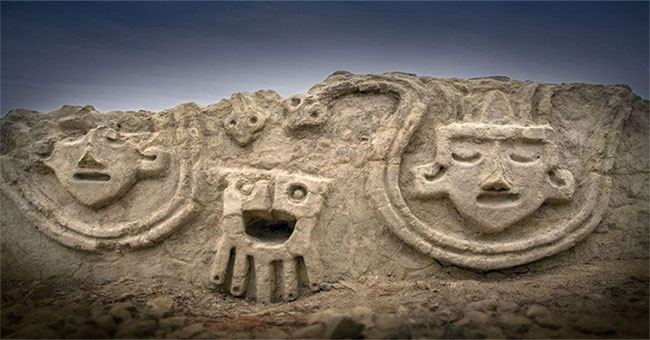
Reporter in South America quoted archaeologist Ruth Shady, who discovered the Caral civilization, said on the wall there are 4 human faces depicted with eyes closed.

Archaeologists in Egypt unearthed two buildings dating to about 4,500 years old that are most likely related to the construction of the pyramids at Giza.

According to experts, the architecture may be part of a Greek-Roman period building.
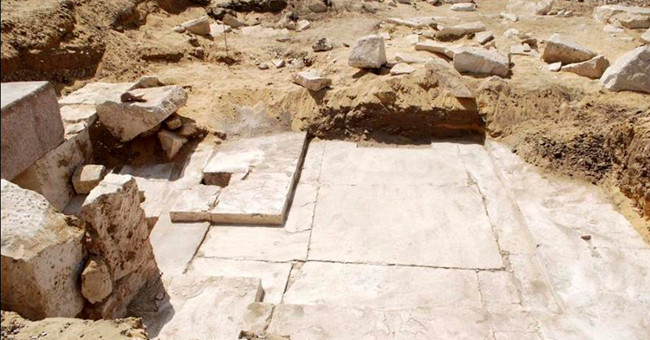
Archaeologists have uncovered evidence of an Egyptian pyramid dating to about 3,700 years ago that had never been known in southern Cairo.
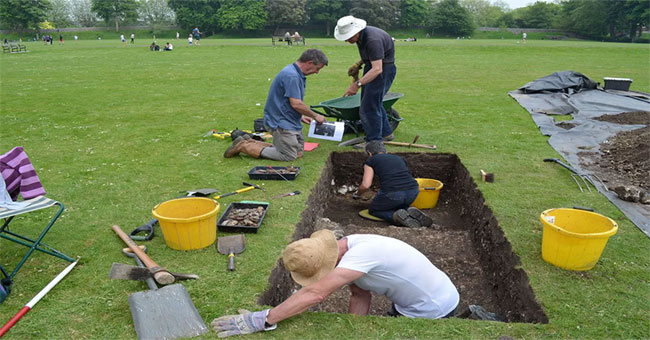
British scientists discovered traces of three Roman villas almost intact underneath the park in the city center.

A Turkish man while repairing the house accidentally discovered the tunnel leading into the ancient underground city thousands of years ago.
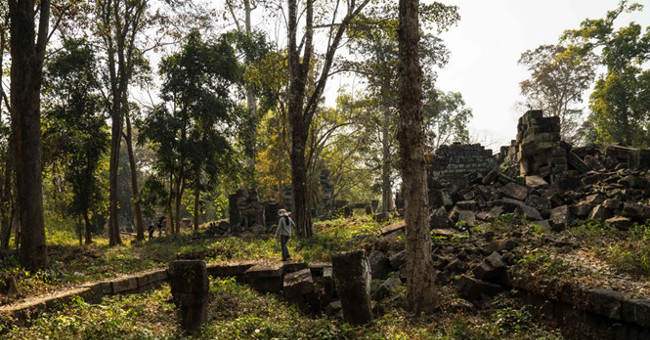
Archaeologists have discovered many ancient strongholds near Cambodia's Angkor Wat ruins, according to The Guardian.
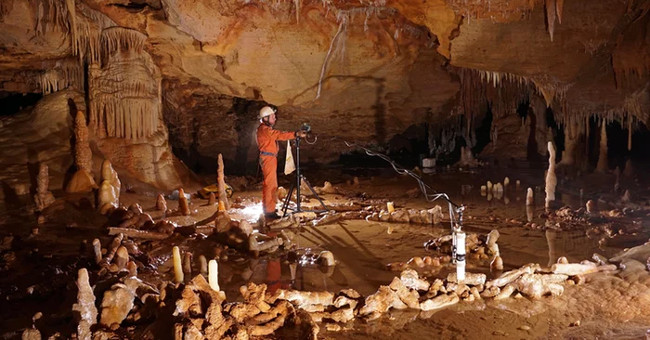
This is said to be an artifact of the Neanderthals and is one of the oldest artificial works in the world.