New technology
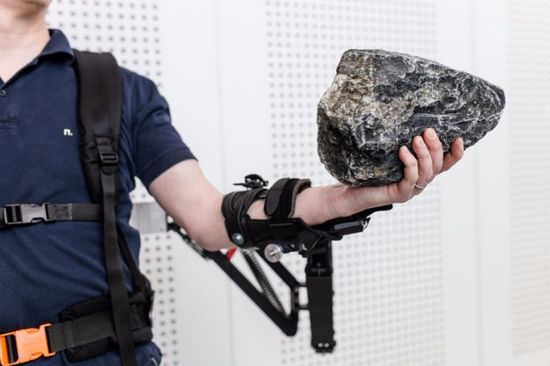
Robo-Mate robot frame helps lift 10 kg objects like 1 kg
Scientists in Stuttgart (Germany) have announced they are working on a project called Robo-Mate, which helps create industrial robots used in industry, with the ability…
Browse ScienceInfo articles and explainers related to Call.
1,893 published items.
Scientists in Stuttgart (Germany) have announced they are working on a project called Robo-Mate, which helps create industrial robots used in industry, with the ability…
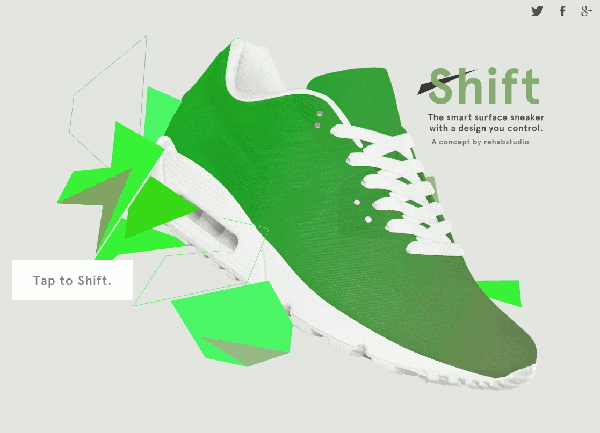
This technology, called Shift Sneaker, a shoe that converts colors to match the mood and style of users.

Samsung is testing a safety feature for multi-truck freeways. Samsung calls this Safety Truck.
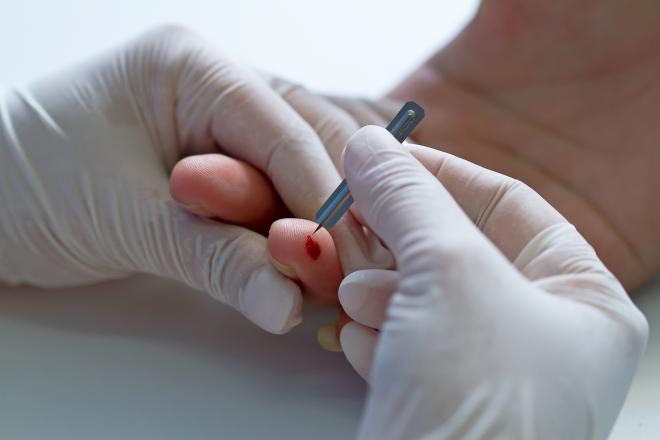
US scientists have just developed a new blood test called VirScan, which tests only one virus that can be identified by a single person who has been exposed in one place…

After the Netherlands, Korea became the third country in the world to build buses on the water. This medium has just been put into operation and transportation of people…
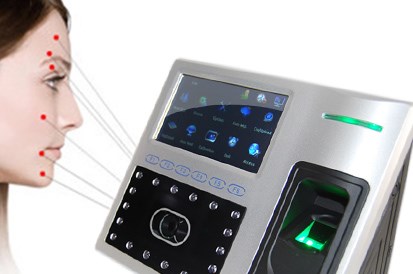
Yahoo Labs has announced a new technology called 'Bodyprint', according to foreign media reports.
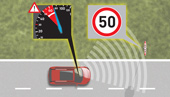
Ford has introduced a new vehicle speed control system called the Intelligent Speed Limiter. This technology is designed to minimize accidents as well as fines as we run…
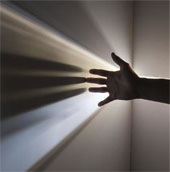
For the first time, scientists have slowed down the speed of light - particles called photons - as it passes through an empty environment, according to a new study.
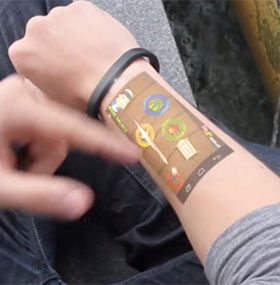
A device that seems to be only in sci-fi movies is being developed and will soon become a reality.

Two researchers Davide Michieletto and Professor Matthew Turner from the University of Warwick (UK) have come to a very interesting place in the hope of explaining the c…
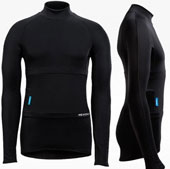
Hexoskin (Canada) recently launched a new version of the smart shirt called Arctic.
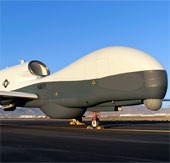
The 14-ton drone called Triton, manufactured by Northrop Grumman, completed a test flight across the United States.
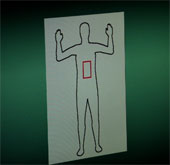
Spanish experts have developed a new body scanner for airports called Alfa3.
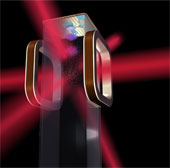
NASA announces the birth of a new material state called Bose-Einstein condensate (BEC).
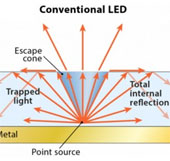
Researchers at Princeton University have made a significant breakthrough in improving the brightness and efficiency of LEDs.