
New technology
Motorola's tattoo will reduce call noise
Motorola has launched a new invention of electronic tattoos, which allows noise reduction and noise reduction for mobile phones in noisy places.
Browse ScienceInfo articles and explainers related to Call.
1,893 published items.
Motorola has launched a new invention of electronic tattoos, which allows noise reduction and noise reduction for mobile phones in noisy places.
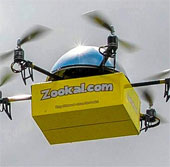
Zookal has partnered with Ozzie to launch a unique program called Flirtey, which will help deliver books to the needy through unmanned aerial vehicles (UAVs).

This is a really serious science project, called Shreddies, a set of underwear that uses special chemical technology that can completely remove unpleasant odors when you…

Called the Rhino Shield, the screen protector is made of polymer resin and can withstand up to 5 times the shaking force of the Gorilla Glass, the iPhone screen protecto…
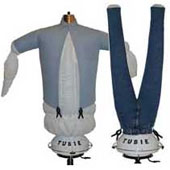
Now a German company has created an exotic device called Tubie that can dry and iron a shirt in just 7 minutes.

Scientists in the Russian city of Kazan have announced that they have successfully fabricated a device called cold cyclonic siphon that allows the collection of electric…
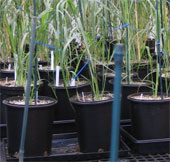
The study focused on the technique of creating a biodegradable polymer called polyhydroxybutyrate (PHB).

A new application called iDoorCam, which works with a tiny camera attached to a button similar to a doorbell, can notify and send a visitor's picture to the landlord…
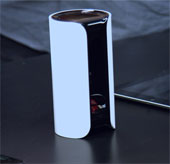
Burglary alarms are one of the causes of nuisance to the lives of city residents, especially when false alarms.
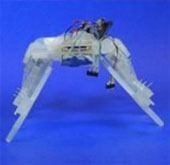
The Biomedical Research Laboratory is developing a robot called STAR (Sprawl Tuned Autonomous Robot) capable of bending its body in various angles, based on the body'…

Moscow engineers jokingly called their invention 'tool to assist the treasure hunter'. They designed the georadar - a new lightweight, high-sensitivity radar.
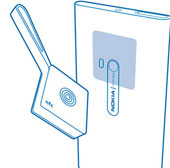
Nokia is about to launch a new accessory called

The butterfly-like crystals on the wings of tropical butterflies can provide the needed information to help invent the flow of color-changing clothes on demand.
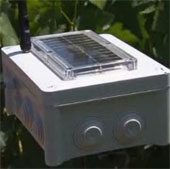
A team of 11 companies and research institutes in Europe has developed a device called Flow-Aid, which has potential for use in agriculture.
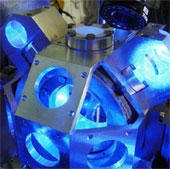
This so-called optical lattice is only 1 second wrong for 300 million years, meaning it is three times more accurate than the current atomic clock.