Discover science
DNA 'garbage' plays an important role
Scientists have long been puzzled about genetic material, called
Browse ScienceInfo articles and explainers related to Call.
1,893 published items.
Scientists have long been puzzled about genetic material, called

At the film festival across the United States is showing a documentary called

A substance called FGF2 that plays an important role in brain development may be an agent for some people to become anxious and depressed.

Scientists at UC Santa Barbara have discovered a protein called BAG2 that is important in understanding Alzheimer's disease and can open new goals for drug development.

Large speed insects called jumping cicadas can jump about a hundred times longer than its body length. Now scientists have discovered the secret of cicadas: they possess…


3-D glasses are based on a technique called stereoscopic imaging, in which 2-D images are combined to create an illusion of depth.

Before opening a beverage bottle, you should consult a new article, called Alcoholic Reality, to choose the best-selling brands in the United States with calorie, carboh…

Dutch ecologist Roxina Soler and her colleagues discovered that grass-eating insects that live on the ground and on the ground can communicate with each other using plan…
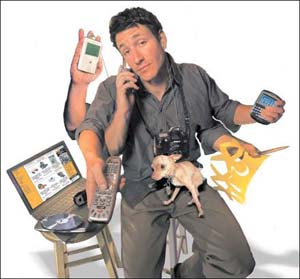
Call your lover, answer the boss's official letter, check customer email ..., then you groan and forget.
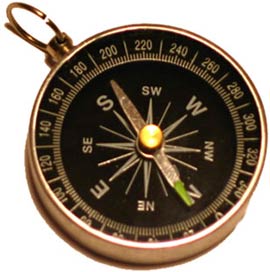
When we talk about an important issue with a long-term strategic meaning, we often use the guideline, for example:
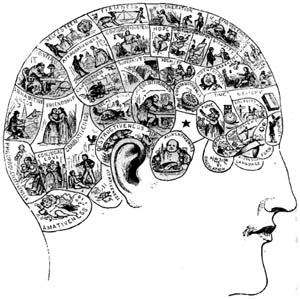
In 1927, Dr. Edgar Beall - an American brain scientist - was called to court as a witness to a murder. Here, he published his research on the skull shape of the Snyder R…

Thirty years after the accident in Cavendish, a French neurologist named Paul Broca systematized a study of the impact of brain injury on the brain, with the discovery t…

Chefs always know the difference between fresh garlic and cooked garlic. If you've ever eaten a raw garlic, you'll know how energetic it is. When cooking, it is more swe…

Many people realize that when someone thinks about something, they will receive the phone of their own. British biologist Rupert Sheldrake calls this phenomenon