
Environment
Biological reactors made from algae can convert carbon as well as 4,000 m2 of forest
Hypergiant may have the key to reducing carbon dioxide.
Browse ScienceInfo articles and explainers related to Carbon.
774 published items.
Hypergiant may have the key to reducing carbon dioxide.
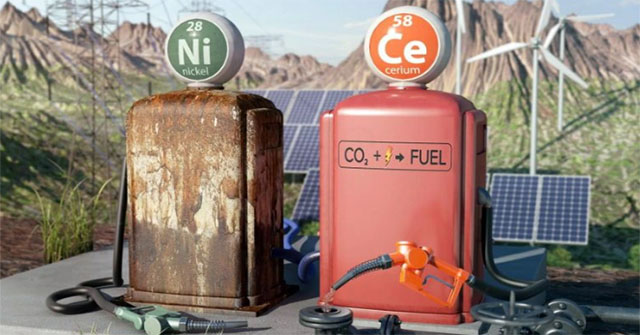
This is a new way to convert CO2 into a sustainable liquid fuel material that is very effective in testing and has no reaction to destroy conventional equipment.
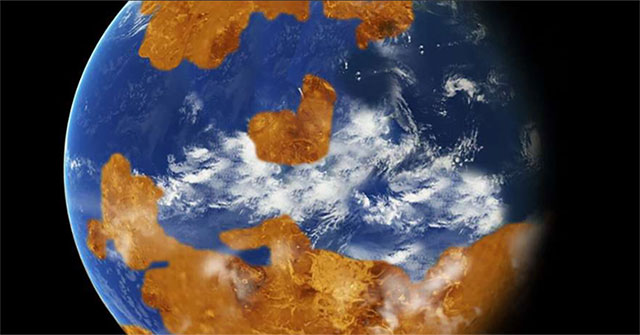
Venus could be a temperate planet that stored liquid water for 2-3 billion years, until there was a dramatic transformation that began more than 700 million years ago.
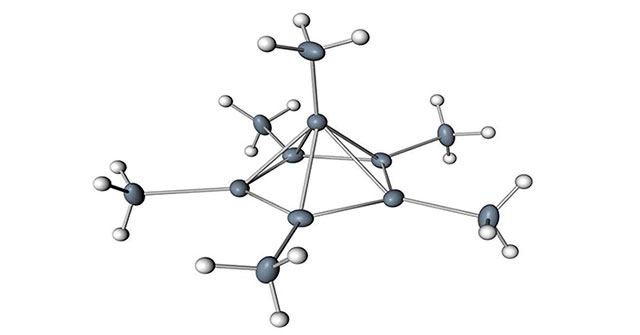
A pyramid-shaped carbon molecule has just been studied for the first time and the special thing is that it's not like what we have learned in basic chemical programming.
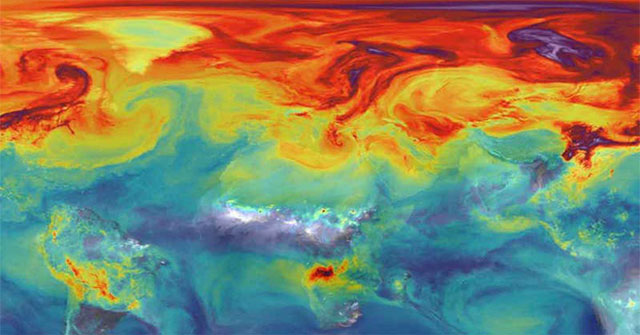
Occupying a small percentage, but the impact of CO2 is extremely large. But alas, luckily, it's smaller. Because if the CO2 ratio is large, it will be a disaster.
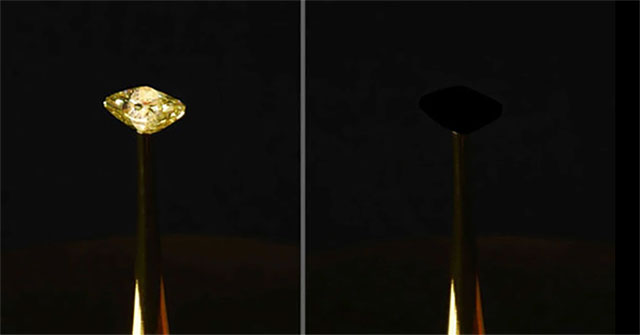
This newly discovered material is able to absorb up to 99,995% of light.

Astronomers using NASA's Infrared Telescope (IRTF) discovered propadiene - a colorless, flammable gas known as a specialized welding fuel in the stratosphere of the Moon…

Flares contain toxic chemicals that are harmful to the respiratory system when inhaled, burned, or poisoned, leaving a lasting consequence for the victim.
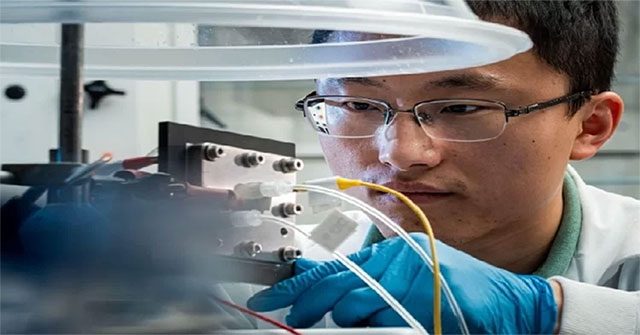
The electrolytic reactor built at Rice University can recycle CO2 to create pure liquid fuel that uses electricity.

In theory, with higher performance and more efficient use of energy, we expect it will replace silicon chips.
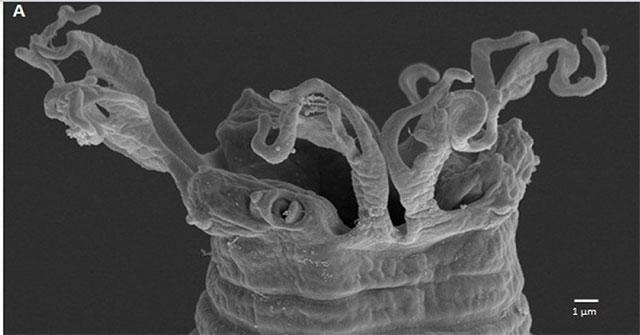
Spending 10 years collecting specimens, research on nematodes by Dr. Nguyen Thi Anh Duong and her colleagues has been published in the prestigious Nature Magazine.

Amazon forest fires, the planet's lungs, will cause human and Earth to suffer catastrophic consequences.

The newly launched 30 kW solar camp in Hampshire will reduce operating costs and carbon emissions for the Wessex railway.
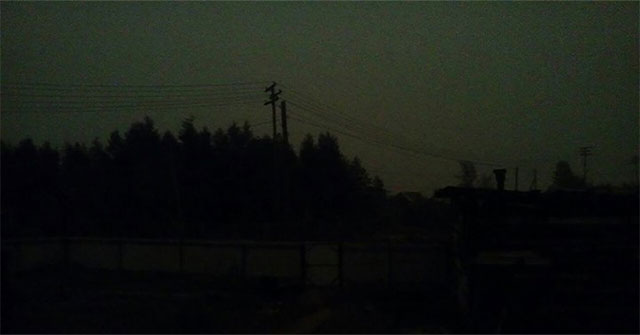
For the people of the town of Verkhoyansk in Siberia, it was not too strange to wake up during the day and find the dark sky.

Scientists make micro-coils from carbon, nitrogen and manganese, capable of producing chemical reactions that dissolve micro-plastic particles.