Space science
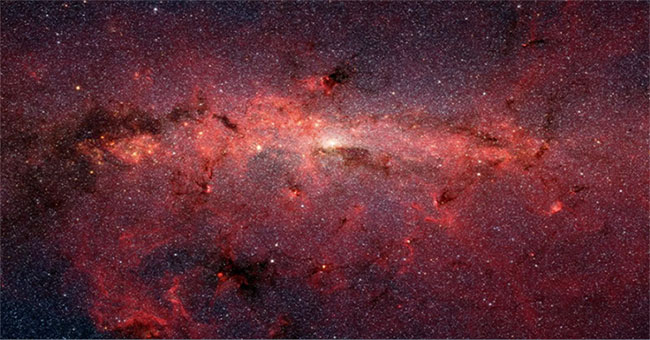
The Milky Way might be filled with toxic grease
Coiled between the dust, soot and electromagnetic radiation of stars in the Milky Way is a toxic oil and grease mess.
Browse ScienceInfo articles and explainers related to Carbon.
774 published items.
Coiled between the dust, soot and electromagnetic radiation of stars in the Milky Way is a toxic oil and grease mess.
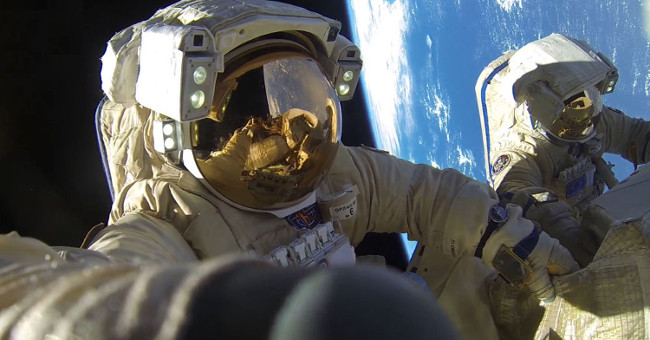
Russian scientists plan to create a system to recycle carbon dioxide into water for use on long-term flights.
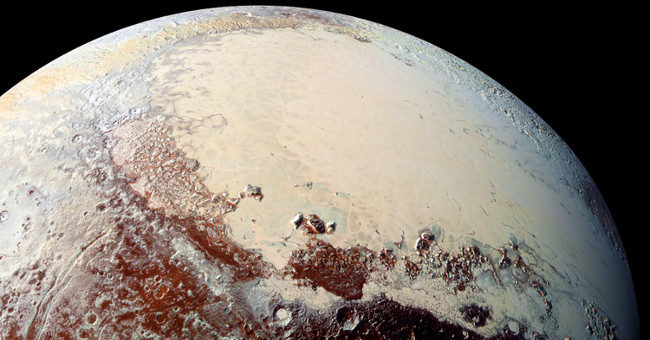
The idea is still theoretical but may influence scientists' understanding of how Pluto is formed and developed.
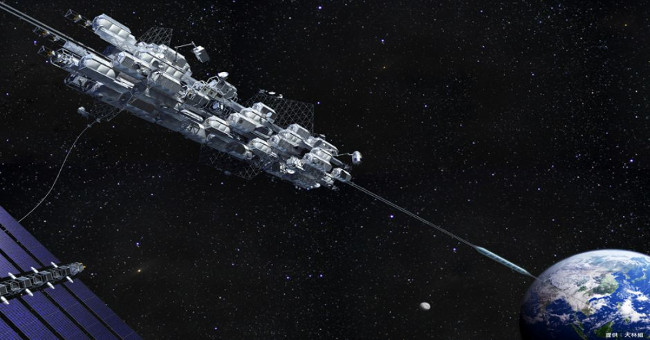
Space elevators are a means of proposing to replace missiles and space shuttle to bring people into space, according to scientists, in about 50 years it will be very pop…

Elon Musk, owner SpaceX, hopes the car will survive in space for about a billion years. However, solar radiation can damage the car much earlier than this time.

NASA experts are always trying to find evidence of other planetary life based on the information obtained by the James Webb telescope.
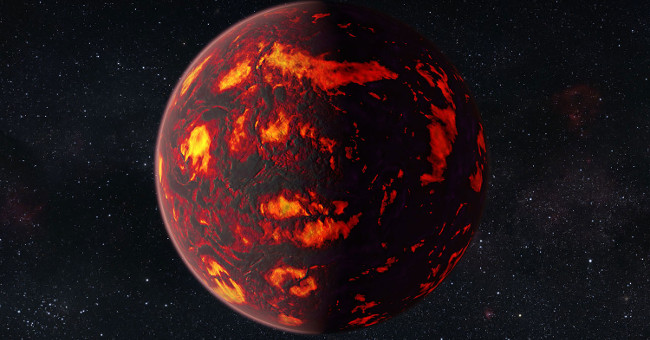
Pure diamonds can be the main component of a planet about 40 light-years from Earth and belonging to the Cancer constellation.
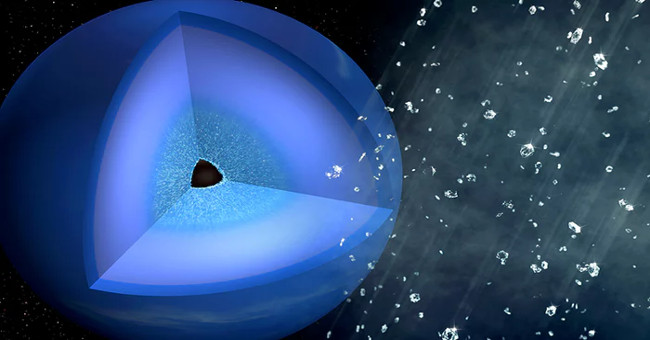
Carbon and hydrogen are compressed at extremely high pressures in Neptune and Uranus, resulting in carbon becoming hard diamonds.
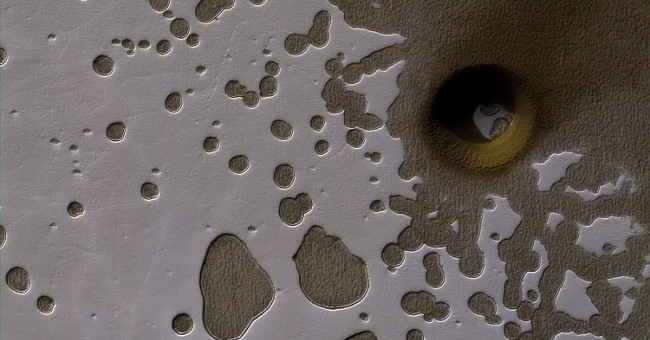
NASA published a photo of an unusual deep crater on Mars's southernmost surface captured by the MRO probe.
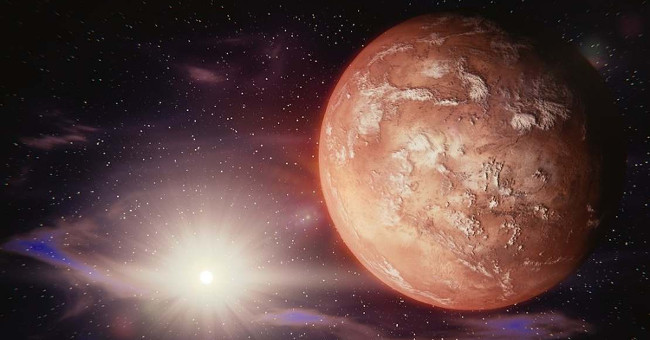
Russian scientists believe that the Martian polar ice could be heated to produce greenhouse gases, increase surface temperatures and living conditions on Mars.

According to geochemists, the element that originated on life on Earth is carbon, which could be brought from a collision with another planet 4.4 billion years ago.
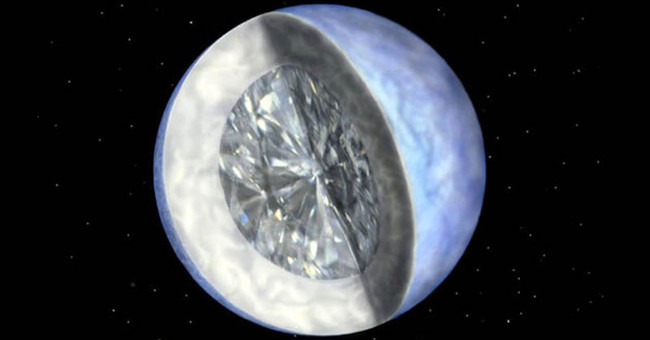
The astounding astronomers discovered a bright glittering object in the sky that is a diamond star

This is one of the first telescopes with mirrors designed by small carbon nanotubes.
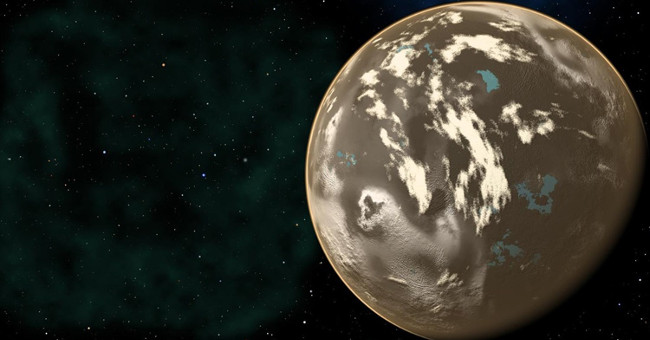
New research by American scientists indicates that diamond planets may contain the first life form in the universe.
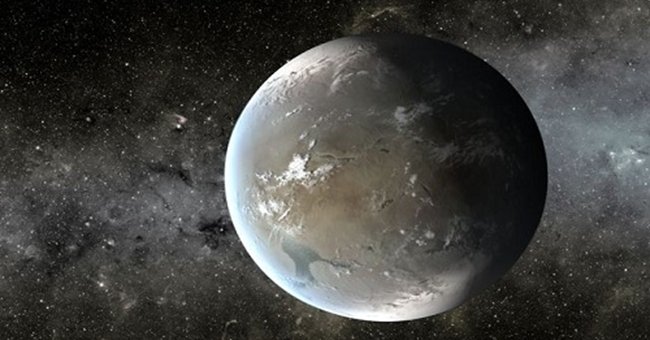
Research by American scientists shows that the conditions on the planet Kepler-62f at 1,200 light-years from Earth are very favorable for development.