
Biology
Biofuels: green gold or potential problems?
There seems to be no topic that has many different opinions in the debate about climate change as the topic of biofuels. The likelihood of them positively influencing gr…
Browse ScienceInfo articles and explainers related to Carbon.
774 published items.
There seems to be no topic that has many different opinions in the debate about climate change as the topic of biofuels. The likelihood of them positively influencing gr…
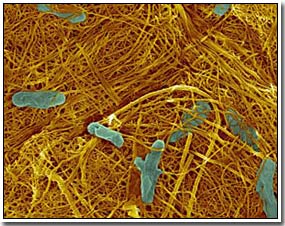
Chemists and engineers from the United States and South Korea have discovered some types of semiconductor nanotubes made from living organisms, bacteria - this discovery…

This is an intriguing idea: Instead of discharging carbon dioxide produced by burning fossil fuels into the air, recapture it with photosynthesis. Then it can be convert…

A catalyst capable of breaking chemical bonds in CO2 molecules will allow us to use carbon in the air as fuel in the same way as plants. Plants use solar energy to separ…
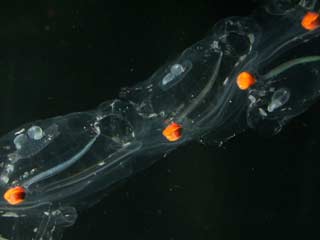
The Salpa aspera scientific creature plays an important role in limiting greenhouse gas carbon dioxide. Biologists discover this creature that looks like this jellyfish…
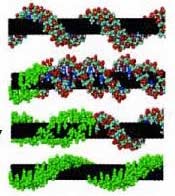
Experts from the University of Illinois (USA) have used carbon nanotubes to successfully manufacture biological sensor chips. When introduced into living cells, it helps…
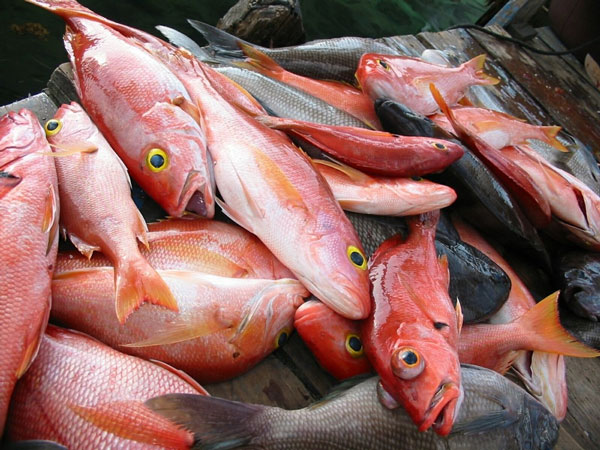
The amount of carbon dioxide that humans release into the atmosphere is increasing, affecting the brain and nervous system of marine fish, affecting their survival.

Devil bats living in Latin America have turned to animal blood meals instead of tropical mammals,
For rats, carbon dioxide means danger. New research from Rockefeller University proves that mice have a way to identify carbon dioxide related to a particular olfactory…

At first glance, the moon cake is covered with dark chocolate but in fact it is black soap cakes, successfully fabricated by a group of 5 students from Hanoi University…
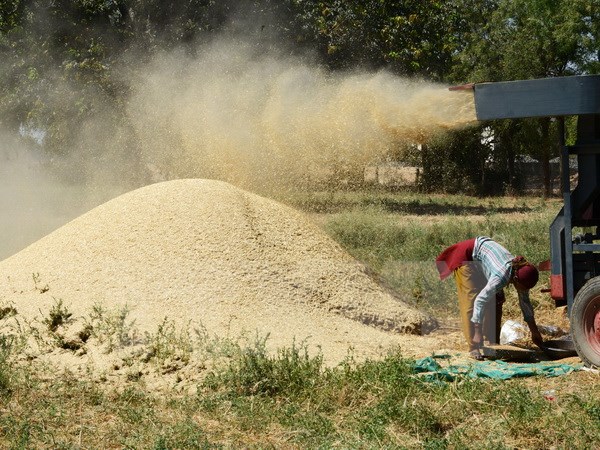
According to information published in the journal Nature (UK) on July 22, scientists from the United States, Sweden and China have successfully studied starch-rich rice…

A North Carolina University team developed a colloidal solar device - called 'artificial leaves'.

Using rice husk as electricity generation material not only does not cause pollution, but the amount of ash obtained after burning is not small.
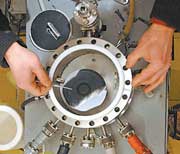
In the science labs around the world is the revolution of nanotechnology. There people make materials that can radically change our lives.

Scientists at the University of California Irvine (UCI) have provided more information about air pollution caused by plants and animals in the United States by analyzing…