Biology
'Glimpse' strange monsters exist on Earth
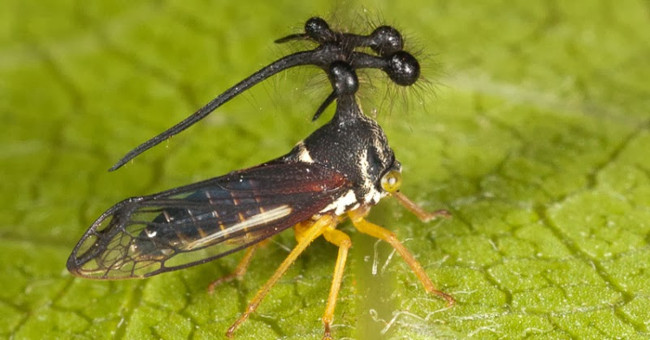
Constantly changing the shape and color to match the harsh living environment on Earth. More and more strange insects are discovered by scientists.
Browse ScienceInfo articles and explainers related to Caterpillar.
96 published items.
Constantly changing the shape and color to match the harsh living environment on Earth. More and more strange insects are discovered by scientists.
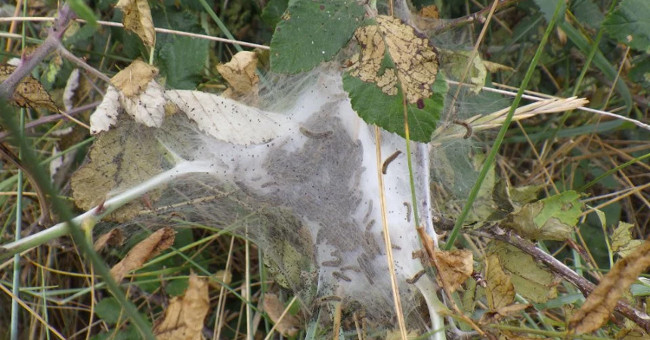
A large number of brown-tailed larvae with hard, swollen feathers appeared in the bushes in Essex, eastern England, reported on September 20.

Cordyceps is one of the most expensive biological items in the world, can cure aches and pains, treat cancer and enhance fertility.
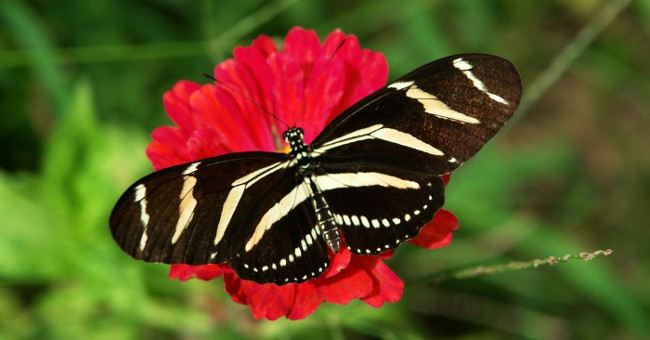
There is a little-known natural secret. That for centuries, butterflies have led the nose of the world.

Set prey trap, know how to calculate the path, eat food

In the southern tropical forests of Brazil, there is a species called the lazy clown by the locals, the scientific name is Lonomia.
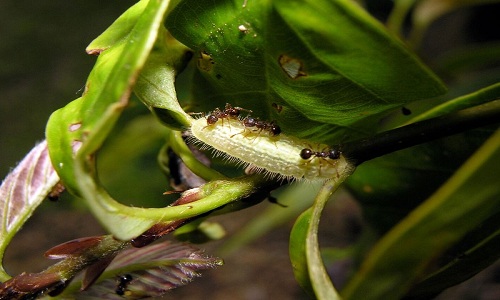
Japanese scientists have discovered the secret to helping caterpillars capture ants and turn them into bodyguards for it.
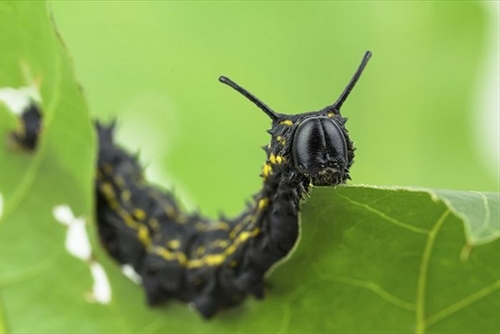
After hearing the sound of the caterpillar chewing the leaf, the plant reacts to that sound by emitting chemicals that repel the predator.
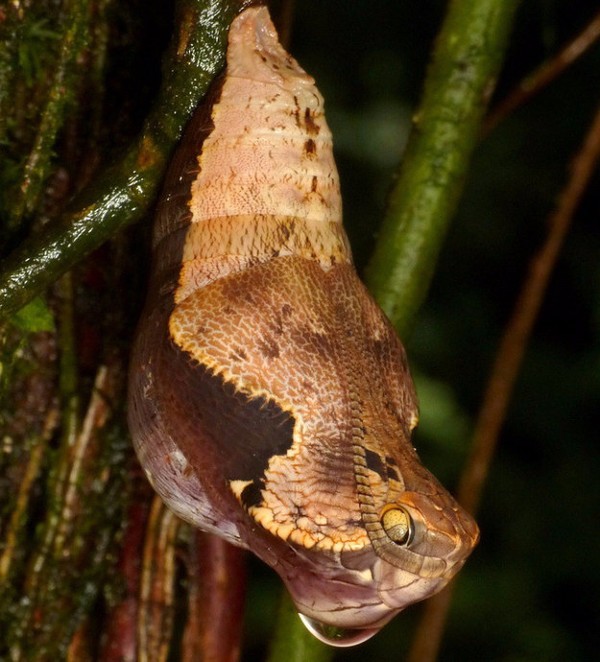
Experts are very surprised when they do not know whether this creature is a butterfly or snake at the first time

Recent research by American scientists shows that some plants can be felt when they become food, and they don't like it.
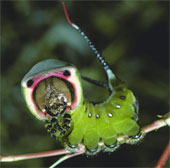
The shape is easily confused with snakes, snails or plants that can help caterpillars camouflage and defend themselves.

Looking from afar, this greasy green caterpillar seems to be a very attractive dish for any predator.

The whole process of natural change from the caterpillar state, and the pupae become butterflies with gorgeous shapes that have been recorded in the most honest and vivi…
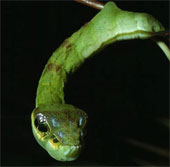
Moth larvae transform the body shape with many snake-like characteristics, which can camouflage the enemy.
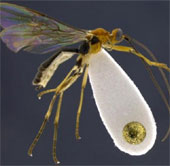
During a field trip to the rattan forest in Ecuador, Professor Scott Shaw of Wyoming University (USA), Laramie and colleagues discovered 24 new wasps.