Space science
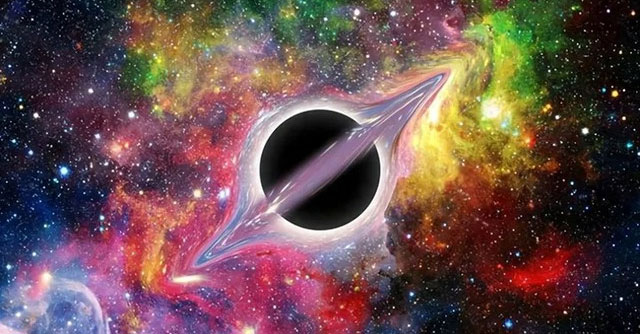
What would you see if you fell into a black hole?
A black hole is an extremely dense celestial body whose gravitational pull is so great that even light cannot escape from it, hence the name.
Browse ScienceInfo articles and explainers related to Celestial.
224 published items.
A black hole is an extremely dense celestial body whose gravitational pull is so great that even light cannot escape from it, hence the name.
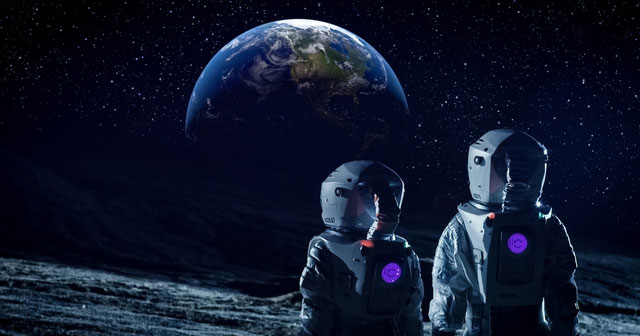
When observed from space or from other planets, the Earth and the Moon will have very special and interesting images.
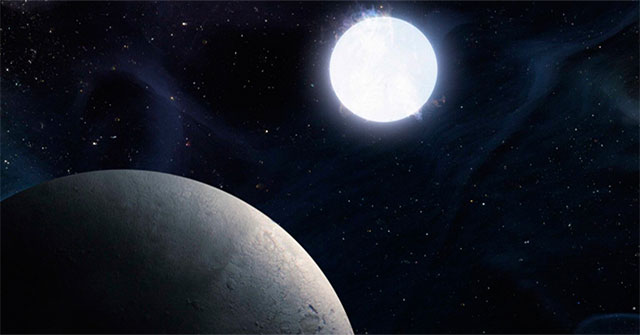
A planet about 4,000 light years away could be what Earth will look like 5 billion years from now.
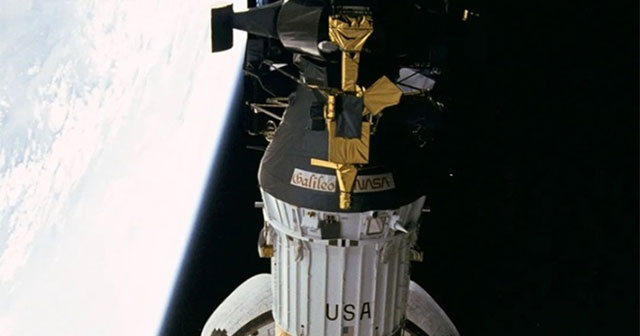
Until now, scientists have not been able to explain the phenomenon that causes the difference between the expected motion and the recorded motion when a spacecraft flies…
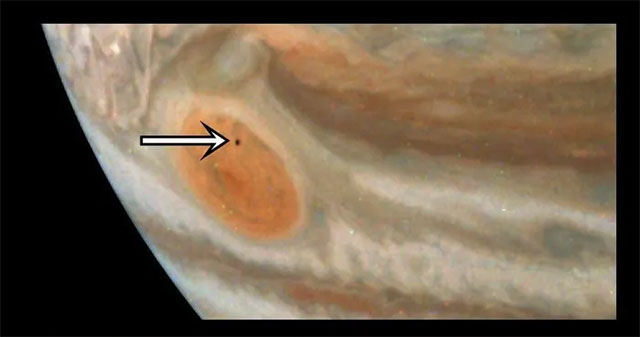
NASA's Juno spacecraft has discovered Jupiter's elusive fifth moon passing through the giant planet's Great Red Spot.

What many scientists hope to capture in habitable exoplanets has now appeared in a type of celestial body that is difficult to define.
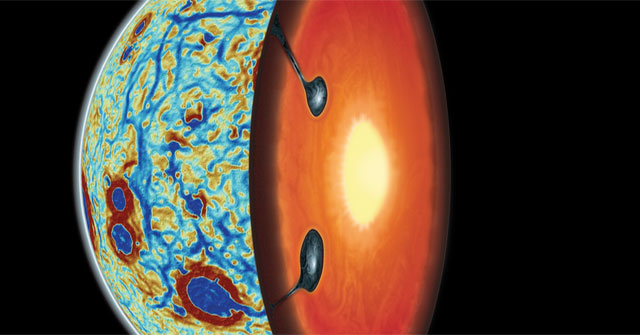
The celestial body we are seeing in the sky may not be the original Moon.
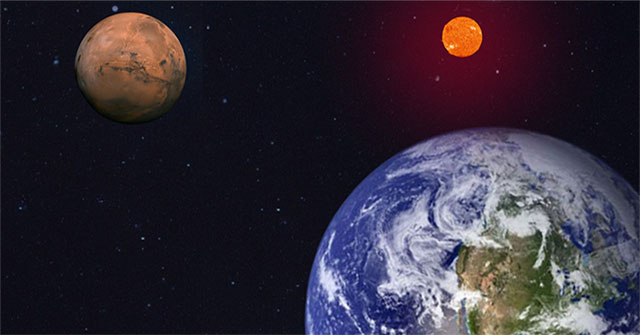
Cosmic-scale interactions between celestial bodies have a direct impact on Earth's climate and geographical characteristics.
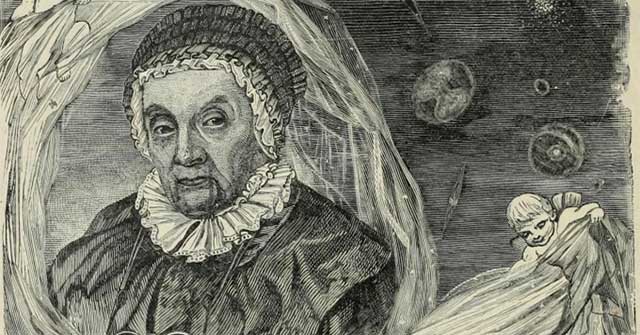
In 1787, thanks to discovering many new celestial bodies and assisting her brother, Caroline Herschel was paid by King George III and became a professional female astron…
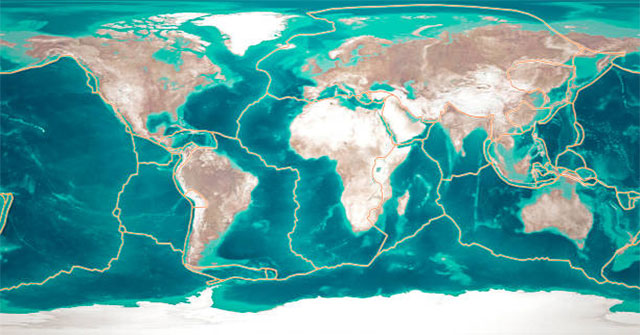
The Earth's crust is composed of many pieces, constantly moving, cracking, sliding over each other... but the impact from the deep currents in the molten core does not s…
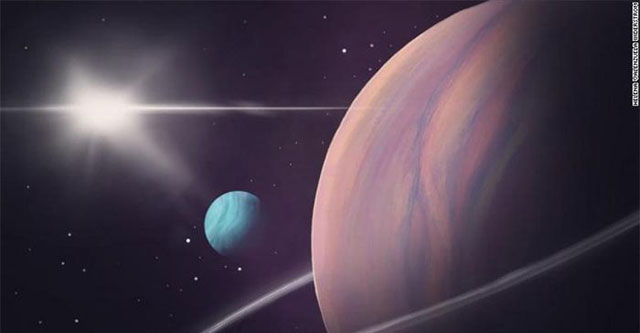
Astronomers have discovered a moon completely different from any object in our Solar System.
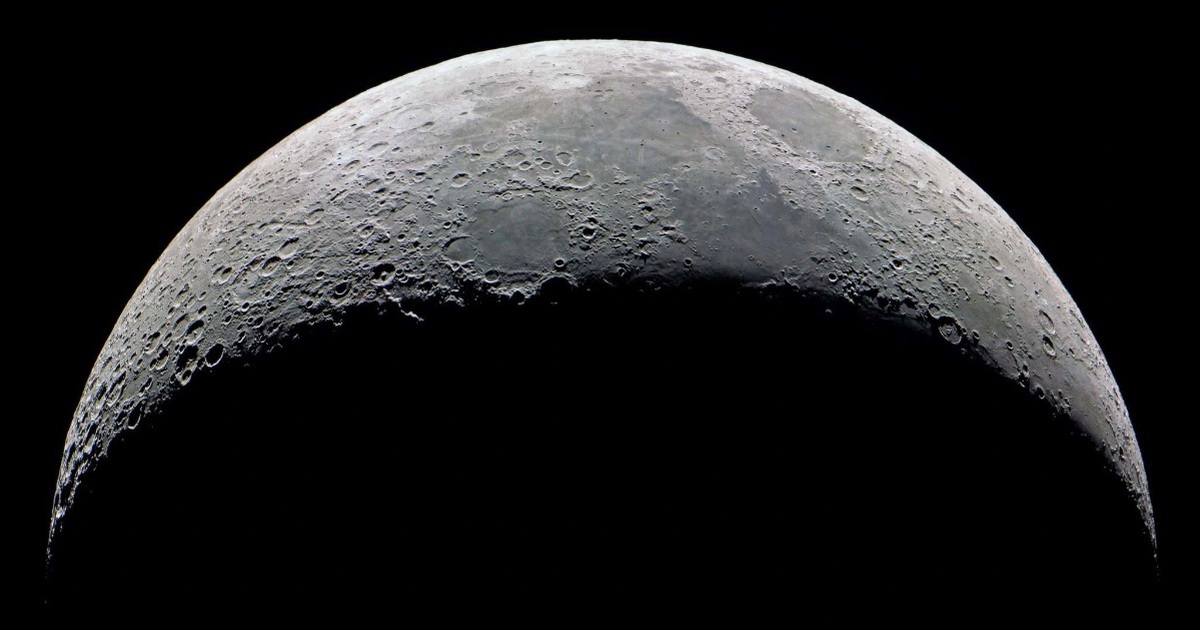
Many celestial bodies in the Solar System can fall into the 'planet' category, including Earth's Moon and many others, and even some 'dwarf planets', or 'asteroids'.
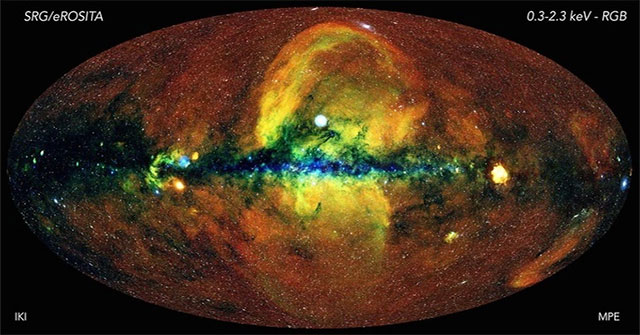
The X-ray telescope completed the first survey of the entire sky, helping researchers create a detailed map of the universe.
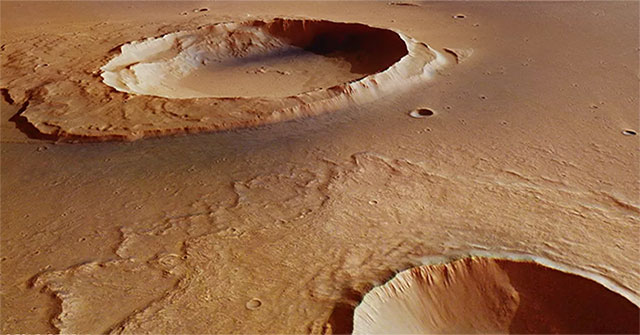
Russian scientists have developed a new way to find life on Mars and other celestial bodies in the Solar System.
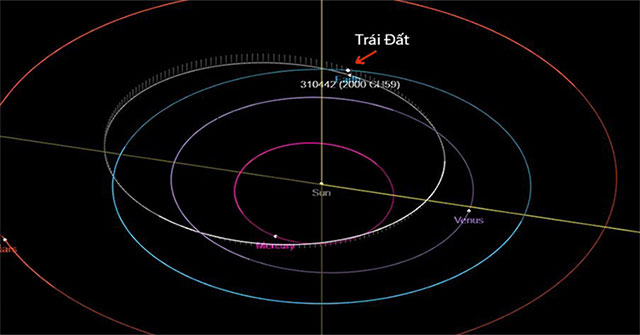
The flight path of celestial object 310442 (2000 CH59) will be closest to our planet after Christmas, NASA said in a statement.