
Discover science
Top 10 most important scientific findings of the decade
The first decade of the 21st century has received outstanding scientific achievements, many of which have changed ...
Browse ScienceInfo articles and explainers related to Celestial.
224 published items.
The first decade of the 21st century has received outstanding scientific achievements, many of which have changed ...

Finally, the mystery of Stonehenge's ancient astronomical stone station in the south of England has been solved. A group of archaeologists believe that the megalithic st…

The Unesco Scientific, Educational and Cultural Organization has recognized the Chinese Dudan Stone Carving as a World Cultural Heritage in 1999.

Scientists have gathered evidence that 3,700 years ago, an explosion of an object in the atmosphere destroyed the settlements in modern Jordanian territory.

After the discovery of the Cham ruins deeper than 2m in Phong Le village in Hoa Tho Dong, Cam Le and Da Nang areas, archaeologists focused their research to decipher the…
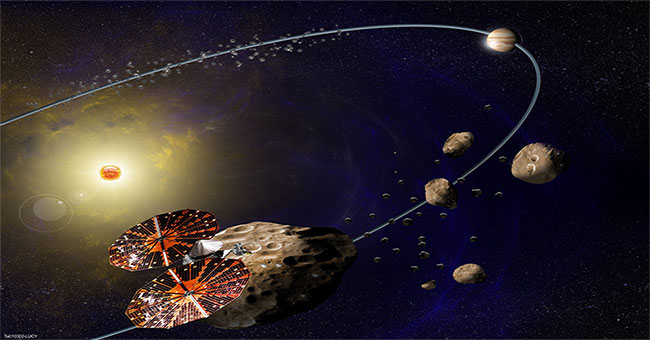
The US Aeronautics and Space Administration (NASA) has officially confirmed the implementation of the unmanned space probe project Lucy.
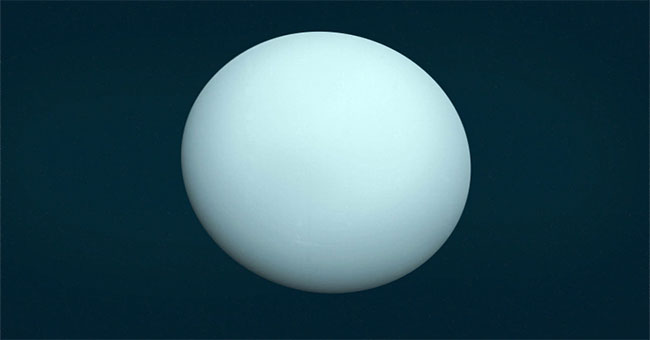
Uranus is the seventh planet from the Sun; is the third largest and fourth largest planet in the system.
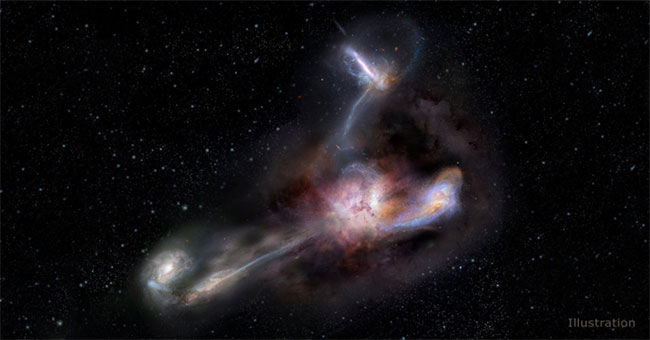
Galaxy W2246-0526 is 350 trillion times more massive than the Sun is absorbing matter from smaller galaxies around it as fuel.

The Chinese National Space Agency announced that the Thien Cung-2 space station would return to Earth in July 2019 and be destroyed under control.

Larger than the space station Mir Russia 140 tons, Thien Cung will include a core module and two lab cabins, large enough to accommodate 3 to 6 astronauts.
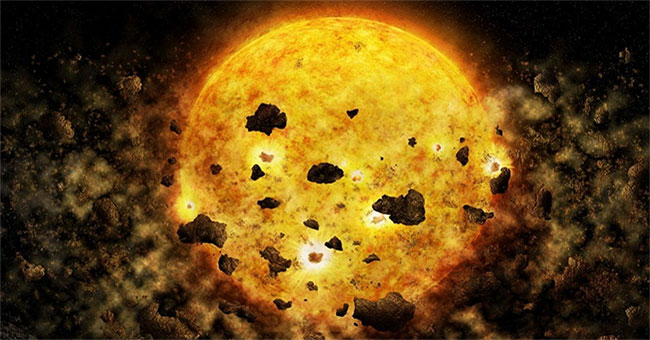
Scientists can first observe a young star
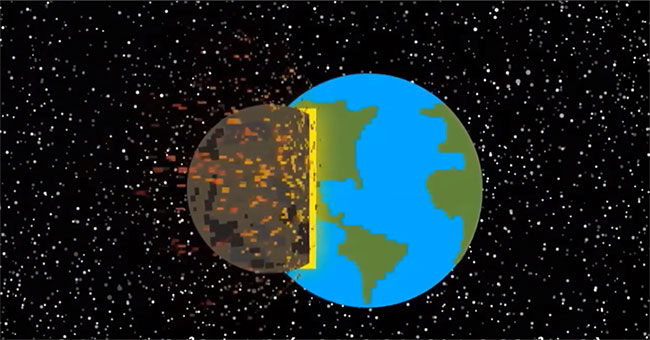
Strong collisions with other celestial bodies or certain external influences can cause a planet to crumble.
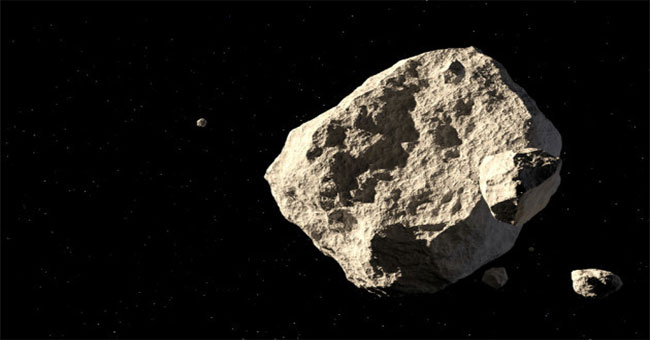
According to the latest research, most small bodies in space originated from 5 or 6 small planets that exploded and still move around our Solar System.
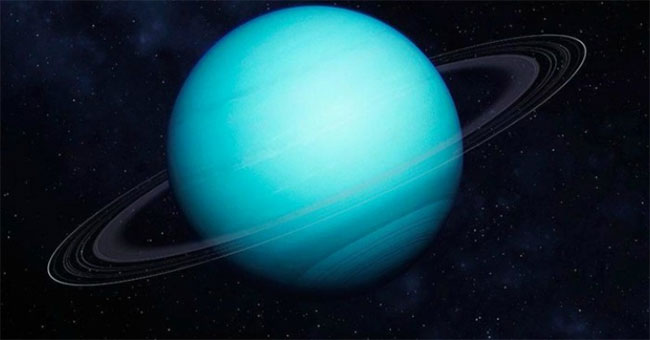
All planets in the solar system are inclined to the same side, except for Uranus. The north-south axis of the blue-green planet is 98 degrees above the Sun's orbit.