Medicine - Health
Breakthrough kill metastatic cancer cells
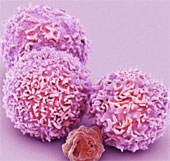
Scientists have discovered a breakthrough method that can kill cancer cells in blood vessels before they infect other parts of the body.
Browse ScienceInfo articles and explainers related to Cell.
3,353 published items.
Scientists have discovered a breakthrough method that can kill cancer cells in blood vessels before they infect other parts of the body.


This new study provides a clearer look at how alcohol consumption can increase the risk of DNA mutations and cancer.
A new finding by scientists from Singapore's Nanyang Technological University (NTU) brings promise about the possibility of developing a vaccine against malaria.

American scientists have made a strong impression in proving that they can reverse the aging process in laboratory animals.

American scientists at the University of Southern California have discovered a series of genes involved in hair and skin regeneration, in three studies published in Stem…

Ireland's Kerecis said cod skin can be used as a new therapy for chronic wounds.

The study was co-chaired by neuroscientists Keith Martin and Barbara Lorber of Cambridge University.

Researchers have found that if a 20-year-old HIV-positive person applies antiretroviral therapy (ART), he or she can live up to 70 years of age.

One of the drawbacks of using stem cells in treatment is a shortage of cell supplies due to slow growth and growth rates in traditional laboratory environments.
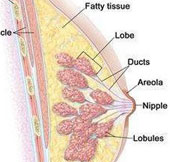
According to the ministry, the agency funded part of the research, the research team from Chonnam National University used genetically modified bacteria to detect unusua…
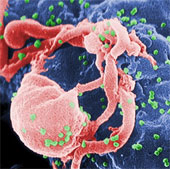
American scientists have found that using radiation can help improve the effectiveness of HIV / AIDS treatment.
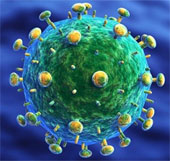
Two HIV-infected patients seem to have cured but relapsed - a sad news for medical researchers and people with H ...

2013 has witnessed many important and important advances in the field of medicine. The most significant is finding a way to help a child infected with HIV immediately af…

The nerve cells of the human brain are genetically heterogeneous, a group of US-Russian scientists proved.