
Medicine - Health
Antioxidant is a double-edged sword
Antioxidants are a double-edged sword, because they have the ability to not only block cancer cells, but under certain conditions, even stimulate tumor growth.
Browse ScienceInfo articles and explainers related to Cell.
3,353 published items.
Antioxidants are a double-edged sword, because they have the ability to not only block cancer cells, but under certain conditions, even stimulate tumor growth.
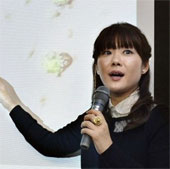
Obokata said Riken has admitted that the person who successfully created STAP cells but she did not give the name of the person during the press conference on 9 April.
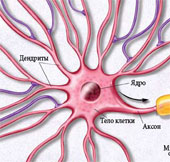
FM radio has encouraged scientists to apply the principle of simultaneously downloading some data sources in a channel to transmit information in the cell.
New research shows that removing copper in the blood can reduce the growth of cancer cells in the body.

US scientists have succeeded in cultivating functioning bone cells using only materials that are still used to make the popular Silly Putty toy.
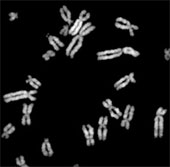
Recently, a team of scientists at New York University has announced it was able to successfully synthesize the chromosome set of eukaryotes for the first time and sow it…

All your thoughts and actions can be controlled by someone. In other words, your brain can be hacked and you can be ... hijacked.
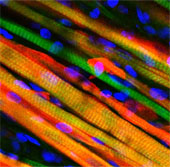
Scientists have for the first time built a type of biotech muscle that can automatically heal wounds on animals.

Overweight teenagers who eat too much salty foods can age more quickly, according to a new US study.
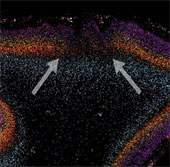
The discovery of arrays of brain cells is markedly altered in children with autism revealed, the disease is more likely to begin in the fetus from birth, in brain develo…
Nearly a decade since the human genome was decoded, scientists published the first complete map of how genes work in different cells and tissues.
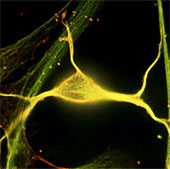
Scientists have found neurons that prevent the formation of fearful memories in the brains of mice called 'Hippocampus'.

Insomnia is actually more serious than what we thought earlier, causing frequent loss of brain cells - according to a recent study.
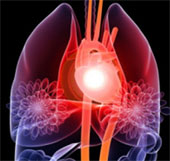
German scientists at Bochum University discovered a mechanism to control the elasticity of Titin protein, deciding on the hardening of the heart muscle.