
Medicine - Health
Find out which antiviral compound causes SARS and MERS
An international team of scientists has identified a compound that protects against corona virus, causing a SARS (Acute Respiratory Syndrome) and MERS (Middle Eastern Re…
Browse ScienceInfo articles and explainers related to Cell.
3,353 published items.
An international team of scientists has identified a compound that protects against corona virus, causing a SARS (Acute Respiratory Syndrome) and MERS (Middle Eastern Re…
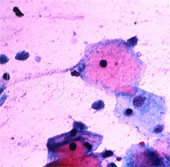
Prostate cancer can be a sexually transmitted disease, due to a common but common form of infection
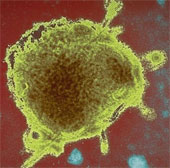
Researchers have just revealed evidence of a clinical trial for new cancer treatments, using specially modified large amounts of measles virus.
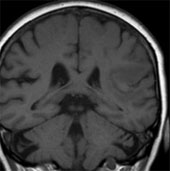
Harvard researchers (USA) have discovered an effective new method to treat brain tumors: using the virus to cause blisters to attack the tumor.
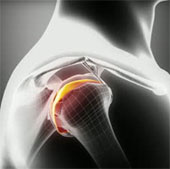
For the first time, scientists have successfully cultured human cartilage in the laboratory thanks to stem cells taken from adipose tissue.
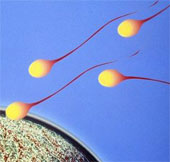
US scientists can create early-stage sperm from skin cells, opening a new hope for treating male infertility.
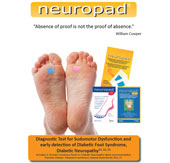
British scientists have developed a foot patch called Neuropad that can rely on sweat to monitor nerve damage in the feet.
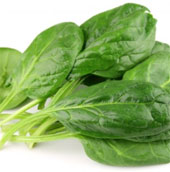
Low in calories, high in fiber and high in nutrients, spinach is actually one of the best foods in vegetables.
There is a link between the loss of Y chromosome in blood cells and the reduction in life expectancy, especially the risk of high mortality from cancer.

US scientists have discovered neurons that control both human desire to use force and sexuality.
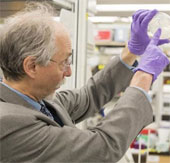
On March 27, 2014, Nature and a number of British newspapers reported for the first time that scientists have successfully synthesized the chromosome of a complex organi…

Compared to other parts of the body, the heart is the most active part. Every minute the heart contracts at a rate of 60 to 100 times, and it works the same way througho…
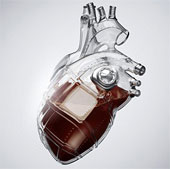
Artificial blood may replace donor blood in transfusions - researchers at the University of Edinburgh.
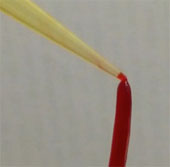
The new type of collagen developed by scientists at Rice University can help heal wounds by directly clotting blood.
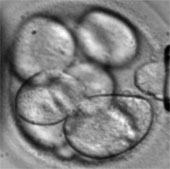
British and American scientists have successfully created a piece of epidermis - the outermost layer of skin, from stem cells in the laboratory.