
Cancer
Top 14 most dangerous cancers today
Cancer is really a deadly disease that can kill many people, the second leading killer after heart disease.
Browse ScienceInfo articles and explainers related to Cell.
3,353 published items.
Cancer is really a deadly disease that can kill many people, the second leading killer after heart disease.

Feeling difficult to chew, difficult to swallow, difficult to move the jaw or tongue, unexplained weight loss ... can be red warning signs of oral cancer.
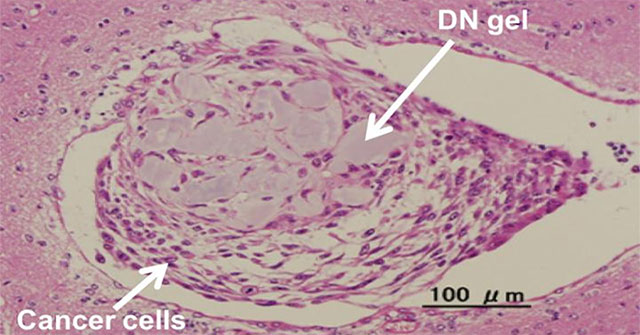
Scientists at Hokkaido University, Japan have developed a hydrogel capable of turning cancer cells back into cancer stem cells in 24 hours.

Australian scientists have discovered that the oncogene AAMDC plays a role in fattening cancer cells. This study opens up treatment opportunities for women with malignan…

Medicines to clear heat and detoxify can help patients get better and recover faster after chemotherapy and radiation treatments, but they cannot cure cancer.

According to researchers, mushrooms contain ergothioneine, an antioxidant that helps protect against cell and tissue damage in the body.

A team of experts from 4 universities around the world has found a way to fight the aging process by killing old cells in the laboratory.

A team of Japanese scientists have built a robot with brain-like neurons to teach it how to think like a human.

With strong and sharp teeth like blades, gathered in groups
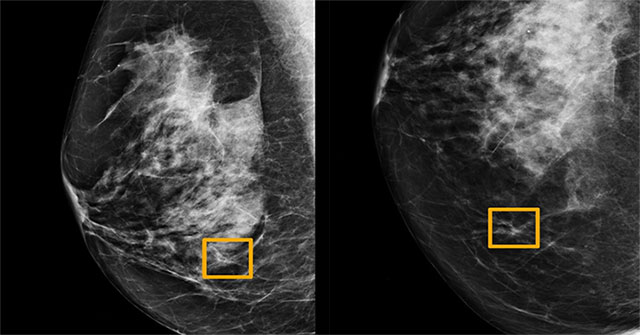
Cancer in the past is thought to be caused by stasis, excess gold bile. Many ancient doctors treated by burning diseased organs or cutting off cancer organs.
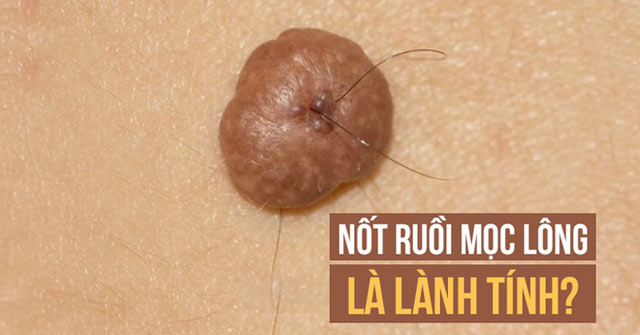
Many people believe that a mole grows fur well, bring good luck and fortune about logistics. But there is also the idea that the mole will cause cancer. Where is the tru…
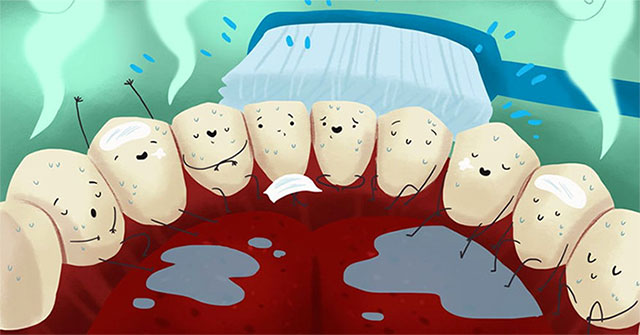
Nearly half of Americans do not brush their teeth enough. And when food accumulates in the nooks and crannies of the teeth, a variety of bacteria come and stay, irritati…
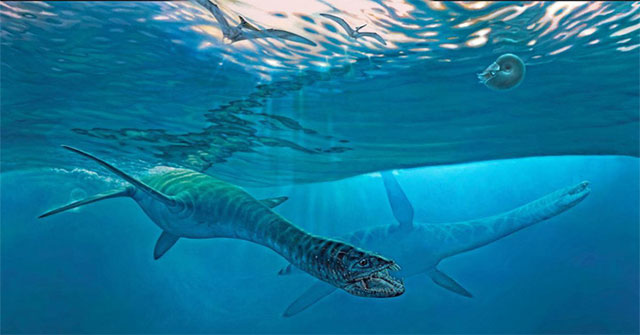
Snake neck lizard is a large extinct marine reptilian genus of the Plesiosauria. The first specimen was discovered by Mary Anning between 1820-1821 but lacked a skull.
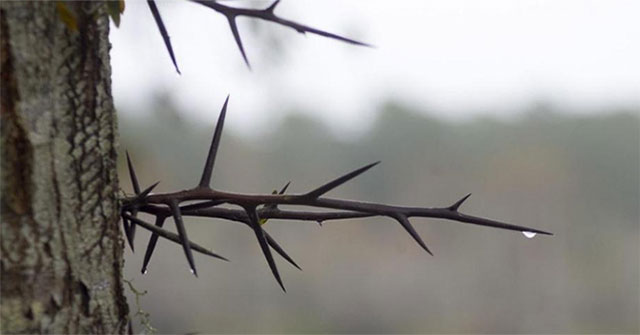
In a new study, scientists have found the origin of the spines, the rigid extension that a variety of plants use to protect themselves from herbivores.

With four cone-shaped cells, the broad-tailed hummingbird can detect colors outside the visible spectrum of humans, the new study says.