
Discover science
Generous or stingy is also due to human genes
German scientists have discovered the type A gene that affects brain activity and determines how generous or dull the human being is.
Browse ScienceInfo articles and explainers related to Cell.
3,353 published items.
German scientists have discovered the type A gene that affects brain activity and determines how generous or dull the human being is.
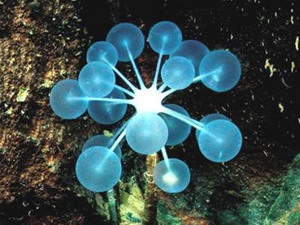
Sponges have up to 70% of genes that resemble humans, including many of the genes involved in cancer and other diseases.

The cause of dementia is the hippocampus - a part of the frontal brain that stores information.
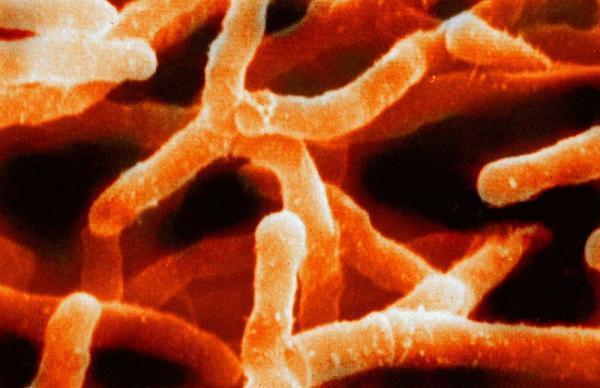
Humans may not have existed on Earth without the combination of two prokaryotes - small life forms without cell nuclei.
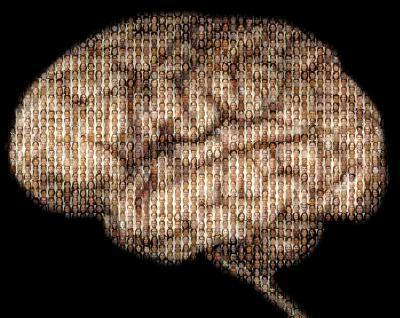
Instead of just fixing in a DNA sequencing way, human brain cells have surprisingly diverse genetic levels.
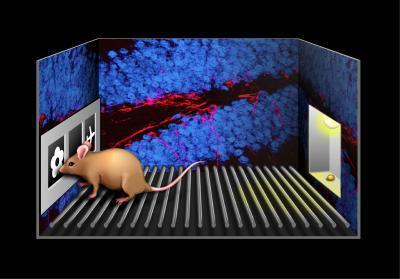
The human body continues to produce brain cells throughout life - it is an undisputed fact. But until now, the purpose of this production is still a controversial topic…
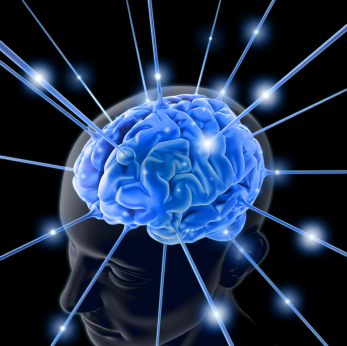
Our big brain makes us superior to chimpanzees, but according to a new hypothesis, we may be paying for this size: that is the higher rate of cancer.

The benefits of alcoholic beverages are tied to the dose. Moderate to moderate levels - especially for red wine - will help reduce any cause of death.
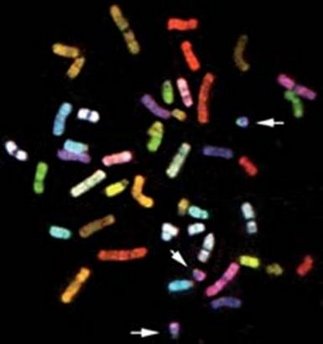
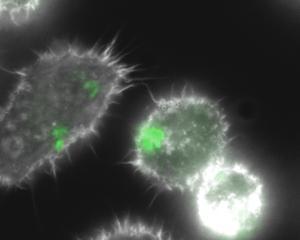
For the first time, British scientists found the food that the food poisoning bacterium Salmonella absorbed while causing the disease was glucose.
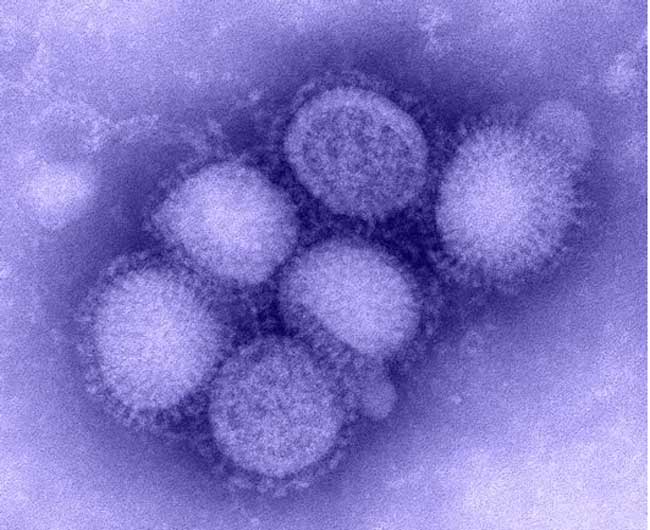
March 28, a month before information about swine flu flooded headlines around the world, a 9-year-old girl in Imperial County, California, had a 104.3 degree F fever.

A new study suggests that emotions throughout our lives also affect our children.
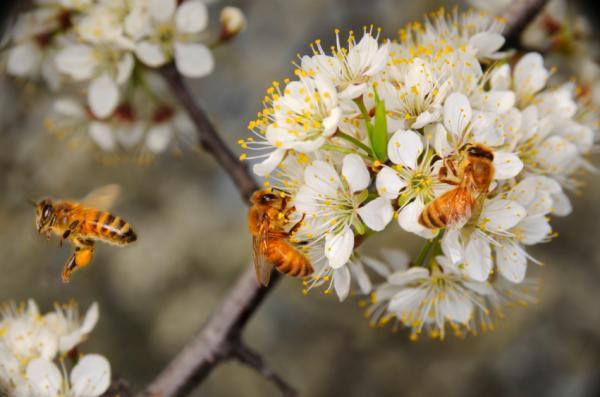
When honeybees collect nectar, how do they cling to it?

The secret of the human biological clock was discovered by scientists at the University of Washington (USA).
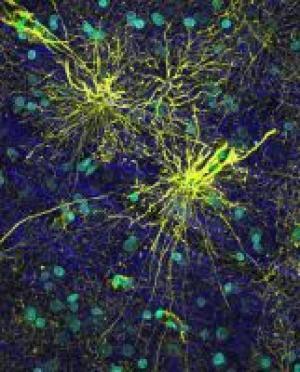
According to the researchers, there is a type of brain cell that has long been overlooked in one of the aspects that make the human brain fundamentally different from th…