Biology
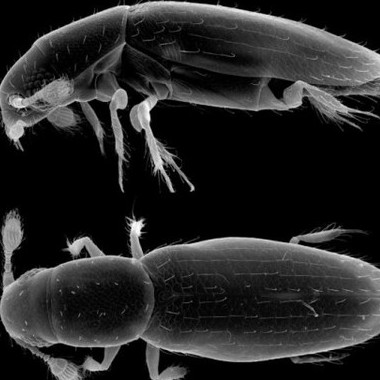
What does the world's youngest bug look like?
Recently, scientists have published the world's smallest insect, with the size of a single-celled organism.
Browse ScienceInfo articles and explainers related to Cell.
3,353 published items.
Recently, scientists have published the world's smallest insect, with the size of a single-celled organism.
The pig is a familiar animal for everyone. Pork is a popular food in daily meals, especially on the occasion of Tet holiday. In the field of bio-medicine, pigs also have…
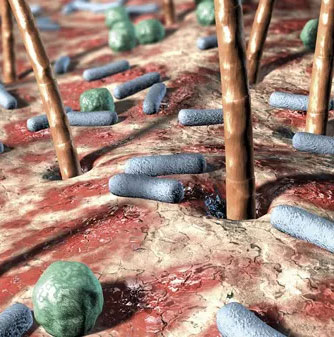
A new study confirms the usefulness and importance of bacteria for the human body.
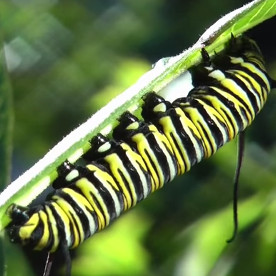
The life of the monarch consists of four stages, from egg laying to maturity and lasting for one month.
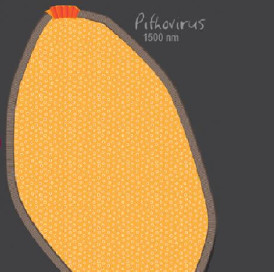
The virus is a living creature, and in the old days it also has cells like bacteria, fungi, plants and even animals today. That was the surprising conclusion of scientis…

Certainly everyone used to have a childhood attached to a bug named fireflies, a light flickering every night that any child is interested and curious.
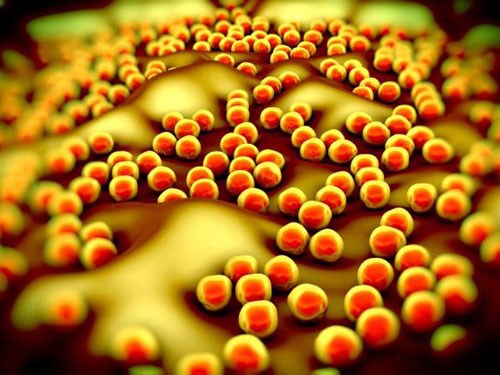
Experts from the University of Queensland (Australia) have found a group of synthetic sugars that can bind and destroy bacterial cell walls, opening up the ability to cr…
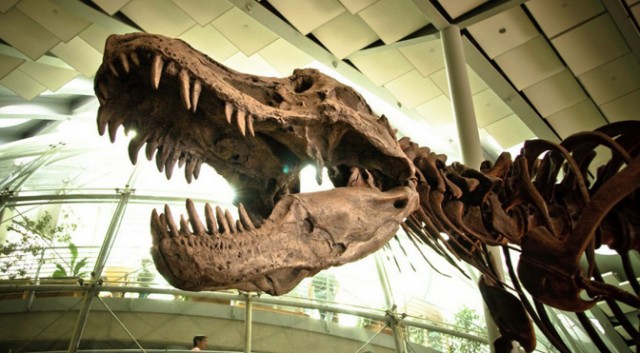
The resurrection of dinosaurs is extremely difficult and unlike what we saw in the movie.
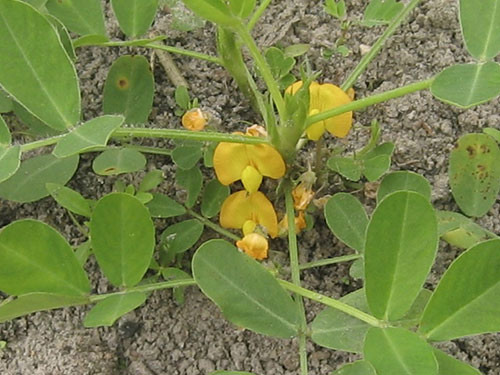
Dr. Tran Hop, former lecturer of University of Natural Sciences, National University of Ho Chi Minh City, said: Small leaflet of dual leaves of peanut with pistachio is…
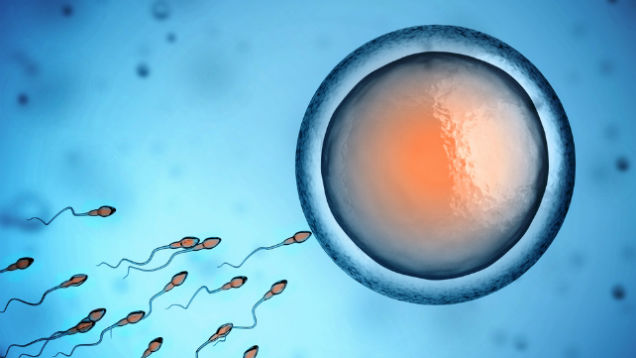
Barcodes and QR codes have become very popular and are played on most products today. A way to manage and help buyers check product information.
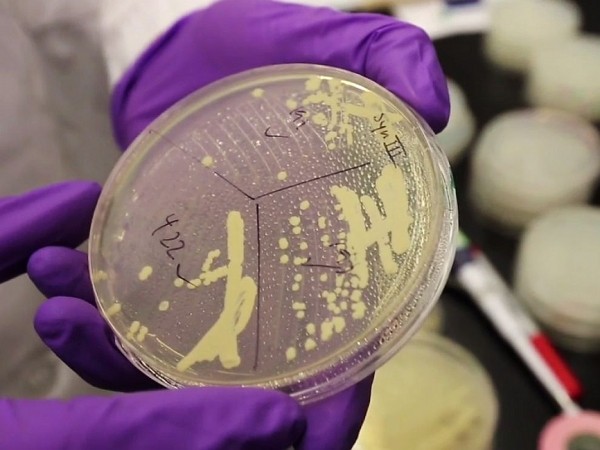
Scientists have discovered that when transplanted human genes, yeast cells can still continue to function and develop.
After two years of successful beef production in the laboratory, scientists are turning to chicken research.
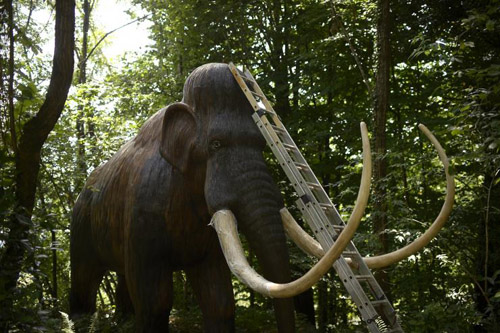
A group of international experts completed the genetic sequence of fine-haired mammoths, to study the extinct species and hope to revive them.
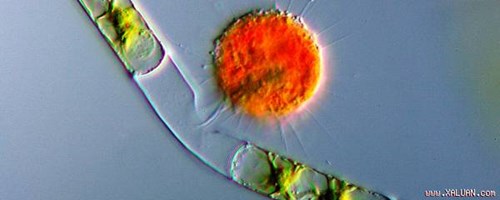
The world's smallest blood-sucking vampire is called Vampyrella. It is a nightmare for all species of algae, bacteria, fungi.

In the process of exploring the world of parasites, scientists have discovered four types of particularly dangerous parts such as eyes, tongue, meat and human brain.