Environment
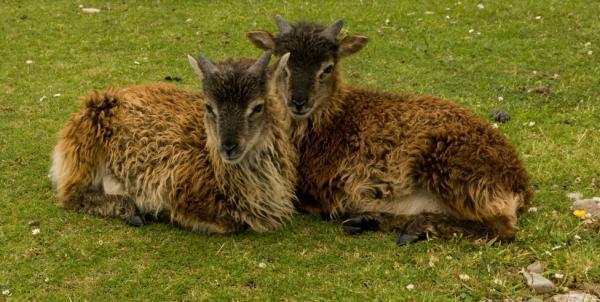
The secret of sheep breeds is getting smaller and smaller
The new study shows that warmer winters are making Scotland's wild Soay sheep increasingly smaller, despite the natural evolutionary benefits that should have helped the…
Browse ScienceInfo articles and explainers related to Change.
3,238 published items.
The new study shows that warmer winters are making Scotland's wild Soay sheep increasingly smaller, despite the natural evolutionary benefits that should have helped the…
Following the discovery of the first dinosaur cave in Montana, the paleontologist Anthony Martin from Emory University found evidence of many other dinosaur caves - this…
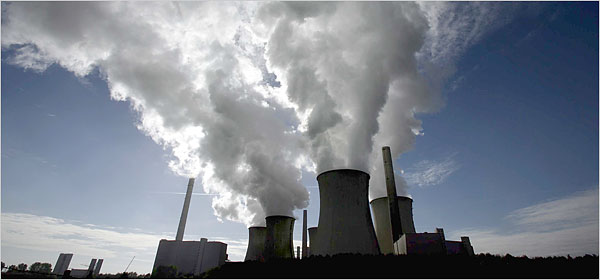
Only a few months before senior leaders around the world met to come up with a climate change treaty, a research group led by Princeton University scientists developed i…

To New Delhi, Secretary of State Hillary Clinton expressed her hope that the US and India could come up with a new plan to address climate change.

Asia's rapid economic growth in recent years has contributed significantly to climate change and environmental pollution, according to the Asian Development Bank (ADB).
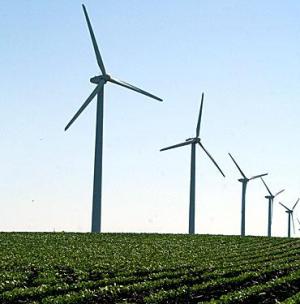
Reducing wind speed in many places in the United States can cause a lot of influence not only for the wind power industry, according to climate researchers in Iowa, USA.
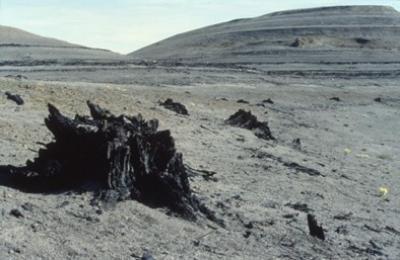
For climatologists, part of the challenge to predict the future is to find out exactly what happened in the past periods of global climate change.
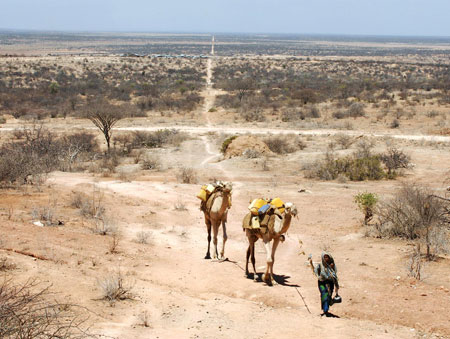
Global warming is forcing hundreds of millions of people to leave their habitats. If that situation continues, we will have to witness the biggest migrations in human hi…
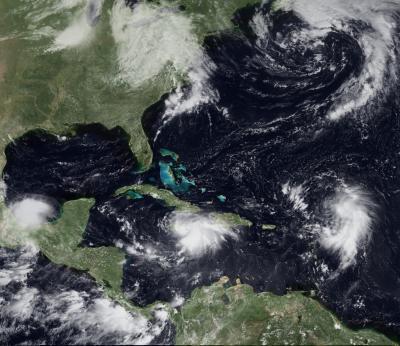
Normally, in the years of the El Niño phenomenon, there are fewer storms on the Atlantic than usual. However, a new study suggests that El Niño can morph into form and c…
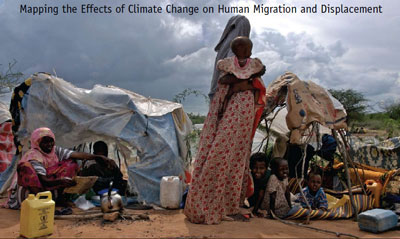
A new type of refugee emerges and tends to increase dramatically: environmental refugees. Around 2050 there will be about 200 million refugees of this type.

According to the most comprehensive study of the effects of greenhouse effect, global warming each year kills about 300,000 people.
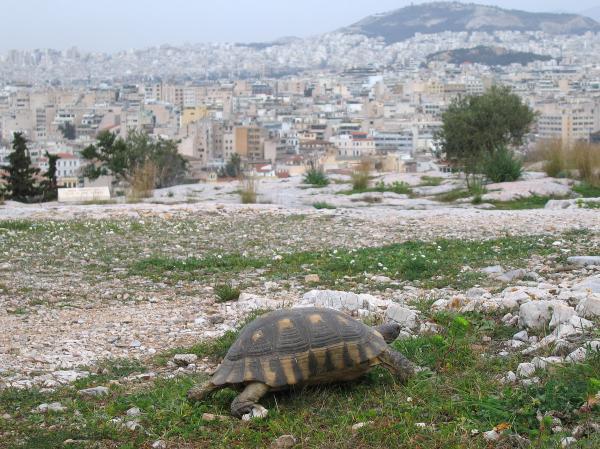
For the first time, scientists are objectively evaluating measures that can help organisms to adapt to rapid climate change and other threats to the environment.
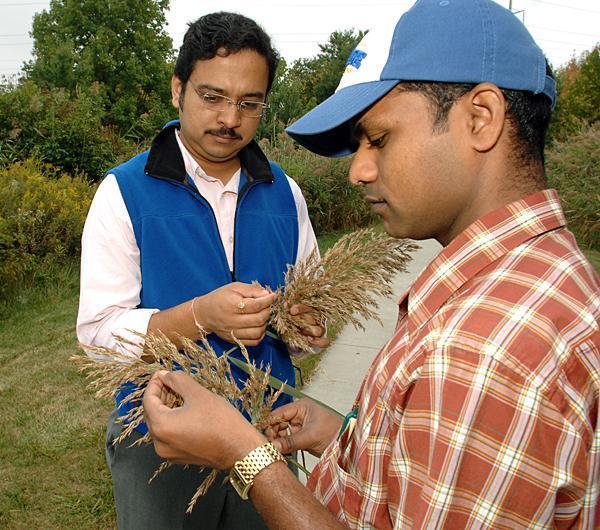
Researchers at the University of Delaware have discovered why the tall, flowering reed (Phragmites australis) is one of the largest invasive plants in the United States.

Global warming caused the wind speed to decrease over time, US meteorological experts warned.
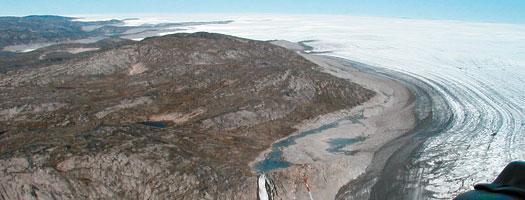
Methane sediments do not contribute to climate change? It is methane itself from the swamp that warms the Earth.