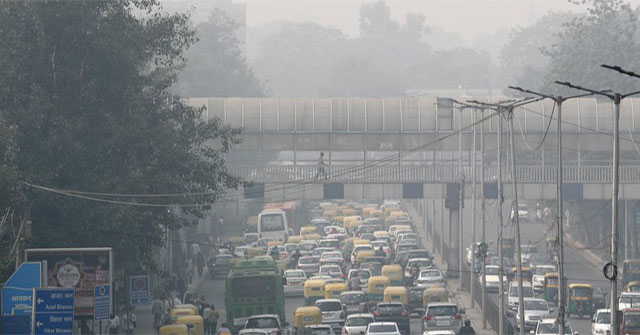
Environment
Pollution kills millions, accounts for 1/6 of all deaths worldwide
A study has shown that deaths related to air, chemical and water pollution accounted for one in six deaths globally in 2019.
Browse ScienceInfo articles and explainers related to Change.
3,238 published items.
A study has shown that deaths related to air, chemical and water pollution accounted for one in six deaths globally in 2019.

This phenomenon is born under the influence of the G-force, it causes the faces of pilots to age clearly but can also make them younger in just a few seconds.

The Latin alphabet and many other languages are not simply the result of a whim.
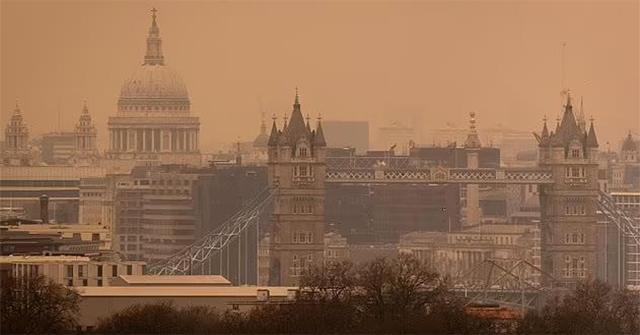
Disturbing images from the European Space Agency (ESA) satellite show a giant red ghost moving from the Sahara Desert, across the Atlantic Ocean, towards the Caribbean,…

The Earth's climate changes, the world's oceans also have unusual changes, not only in temperature but also in structure, flow and color. Scientists call it the ocean ph…
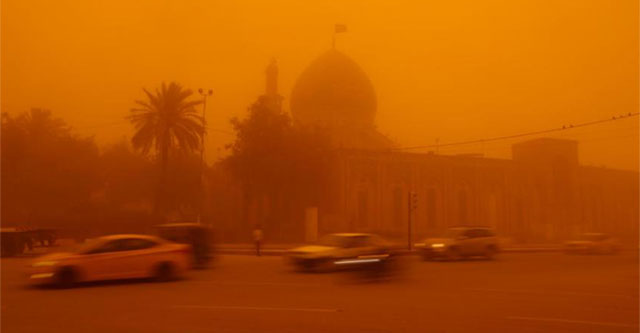
On May 16, Iraq continued to experience a sandstorm, causing at least 2,000 people to be hospitalized due to respiratory problems. Airports, schools and government offic…
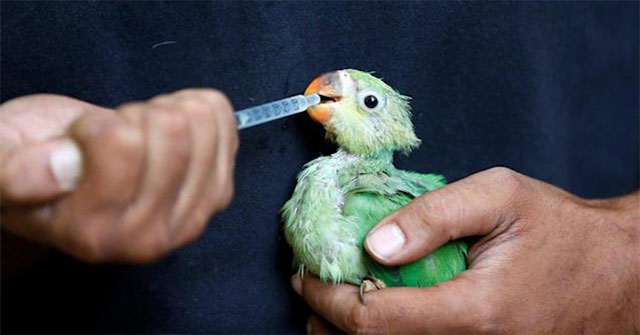
In the western state of Gujarat, where temperatures have hovered above 40 degrees Celsius for weeks now and can reach 46 degrees Celsius, rescuers here encounter birds f…

When a person lies, it can be difficult to tell, and we cannot know exactly what they say is true?
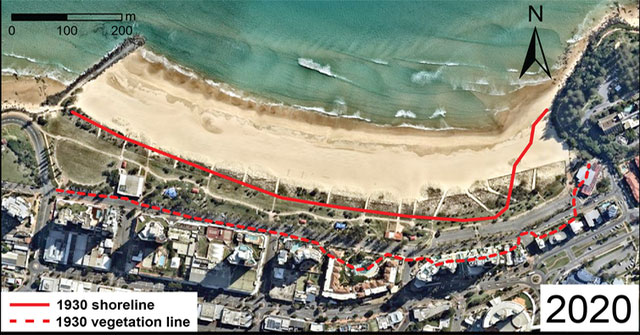
The pictures were taken by satellite 90 years apart. And during that process, these beaches have not had any significant reclamation or reclamation activities from human…
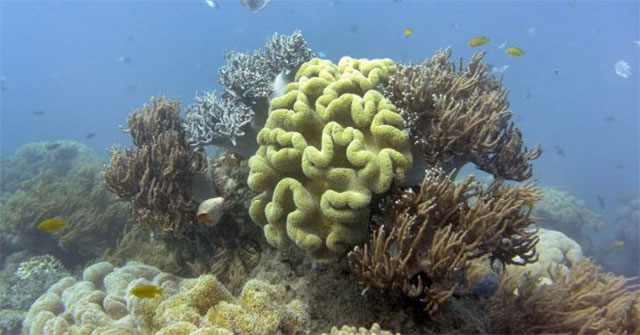
According to a new Australian Government monitoring report, a prolonged summer heatwave in Australia left 91% of the Great Barrier Reef (GBR) damaged by bleaching.
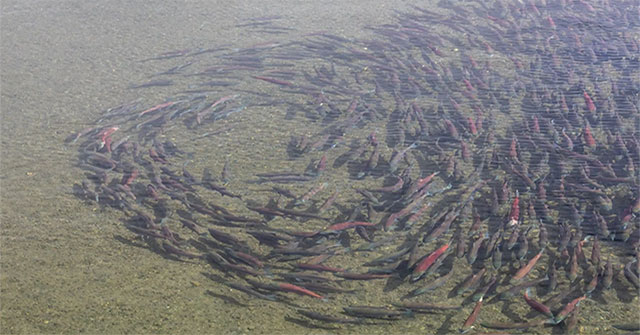
Warming sea levels due to the effects of climate change have made models to predict salmon production in the North Pacific no longer accurate.

This is a warning issued by the World Meteorological Organization (WMO) for the danger that the Earth faces.

Heat waves are common in India in spring and early summer, especially in May, which is usually the hottest month.

The more detailed detection of small changes in the flow of time could help scientists uncover new physical evidence.

New research reveals that ancient flying reptiles - pterosaurs - had feathers and could manipulate their feather color to attract mates or stay cool.