Discover science
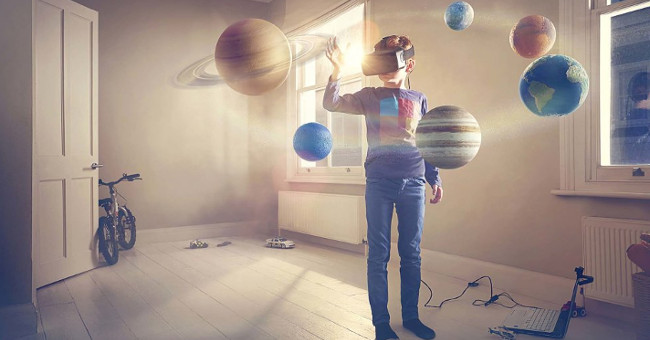
The future is no longer smartphone, what will people be like?
Today, almost everyone can own a smartphone, and it is unclear how ever we have become familiar with the presence of this device.
Browse ScienceInfo articles and explainers related to Change.
3,238 published items.
Today, almost everyone can own a smartphone, and it is unclear how ever we have become familiar with the presence of this device.

IQ can change over time, does not determine the probability of success or failure of each individual is something not everyone knows about human intelligence index.
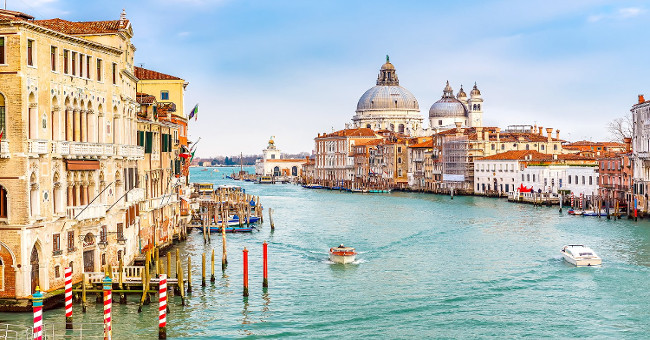
Italian is a language that can seduce people so thoroughly that they are even willing to change their lives for it.

Formed by the changes in weather and erosion of mountains as well as over millions of years, grains of sand flow along the rivers to the sea.
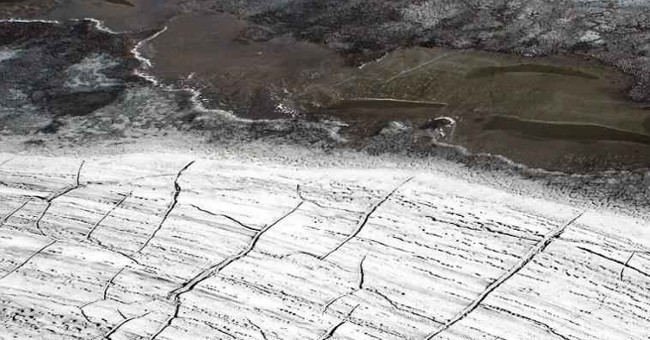
Believe it, the permafrost in the Arctic is currently storing a huge amount of terrifying mercury, twice the amount of natural mercury the planet has combined.

With the current growth rate, the world will become extremely different in the next century.
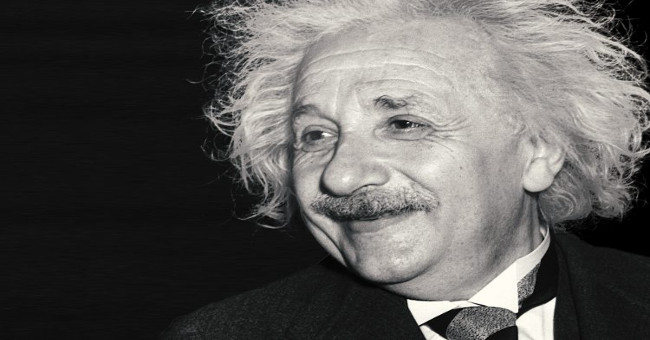
Imagination is more important than knowledge

According to News, there are many reasons why the start of the third week of the year is especially sad.
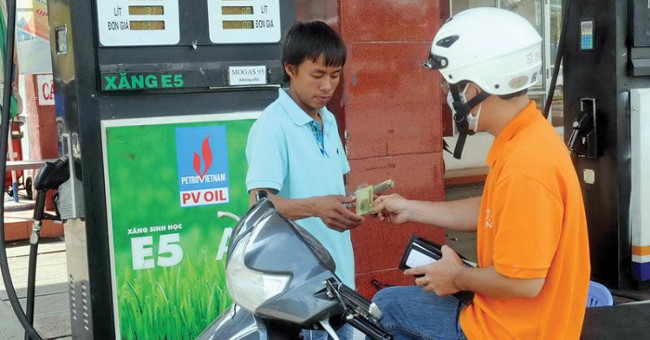
After many years of preparation, finally, on January 1, 2018, the domestic gasoline market will change, when E5 bio-petrol will replace RON92.
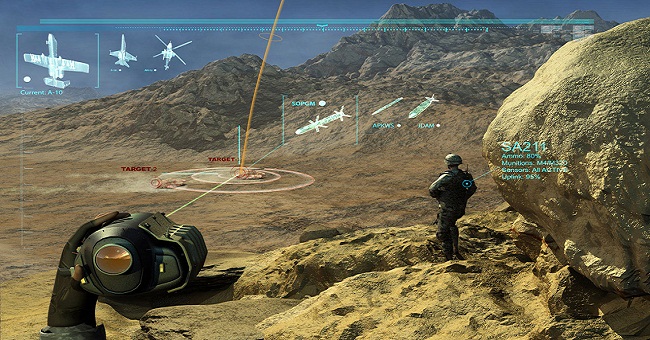
There are weapons that seem only in movies but they are completely real in the US Army. It seems to America,
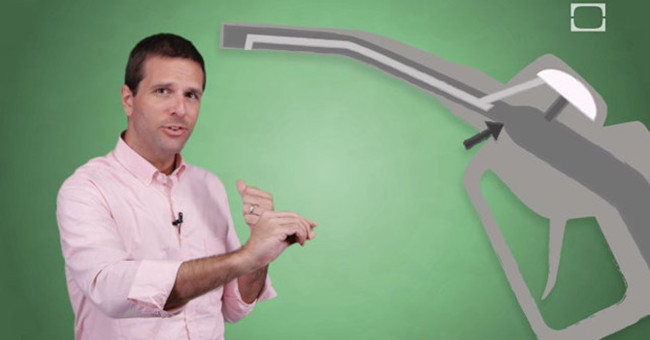
According to HowStuffworks, it is true that gasoline has a denser density when it is cold, especially in the early morning when the ambient temperature is low.
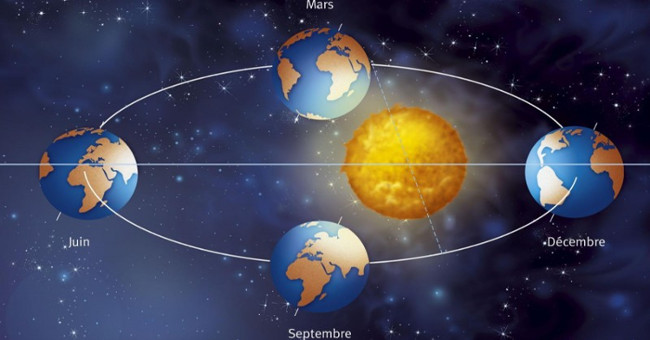
US scientists have just forecast that in 2018 continuous strong earthquakes will threaten the lives of more than 1 billion people due to the slower rotation of the Earth.
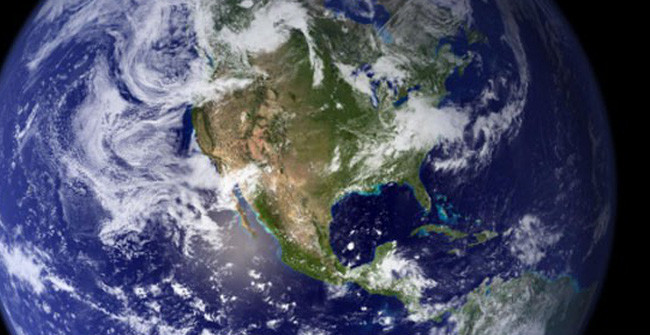
The US Aeronautics and Aeronautics Agency has published images of the entire Earth over the past 20 years, using data from a number of active satellites in the universe.
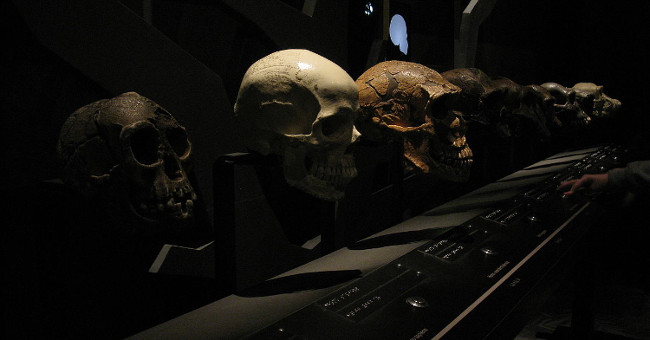
Neanderthals - close relatives of modern humans have thick noses, long skulls, large bone structures, possibly red hair and freckled skin.
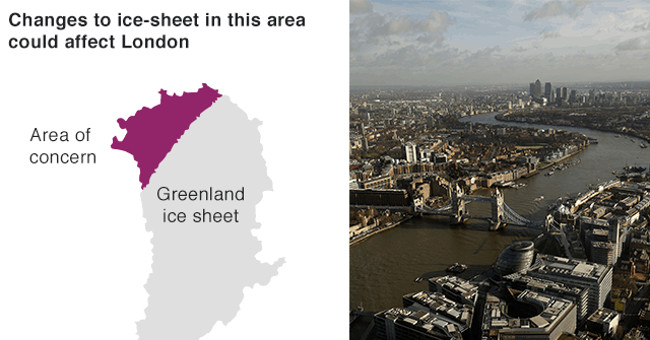
NASA has just released a tool to predict which parts of the world will be affected by melting ice in the poles and previously seemingly permafrost areas.