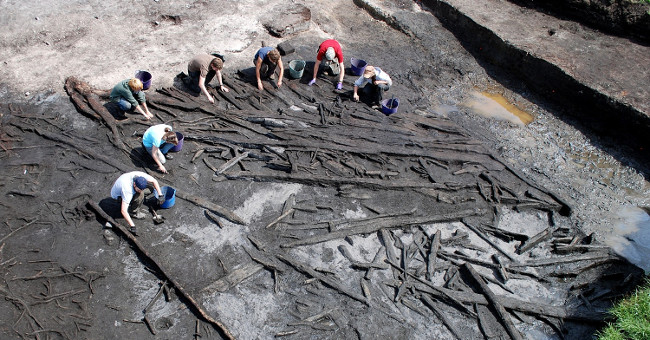
Archeology
Why do humans still survive the disaster thousands of years ago?
The first people to settle in England at the end of the ice age encountered sudden and unstable climate change.
Browse ScienceInfo articles and explainers related to Change.
3,238 published items.
The first people to settle in England at the end of the ice age encountered sudden and unstable climate change.

According to a recent study, it seems that the ancestors of the Greeks not only produced wine, but also devoted a lot of effort to cooking and enjoying beer.
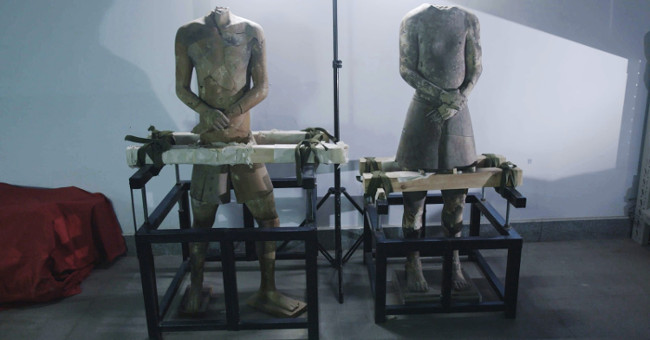
New archaeological findings can change history. This article lists important archaeological findings in 2017 summarized by the Live Science website.
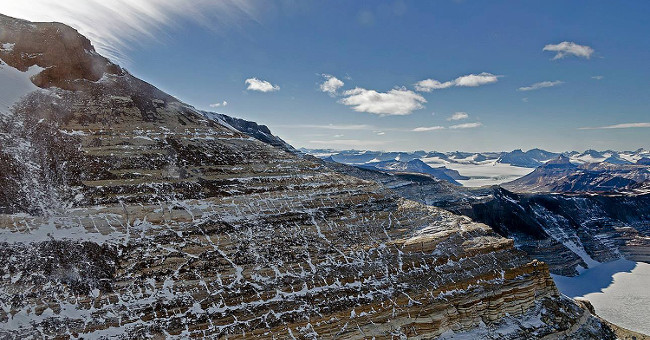
Traces of prehistoric Antarctic forests can help scientists understand more about the Permian extinction event - Triassic.

In the Middle Ages, people burned hemorrhoids with red hot iron, drilled holes in the skull without anesthetic, using sharp objects to remove the lens.
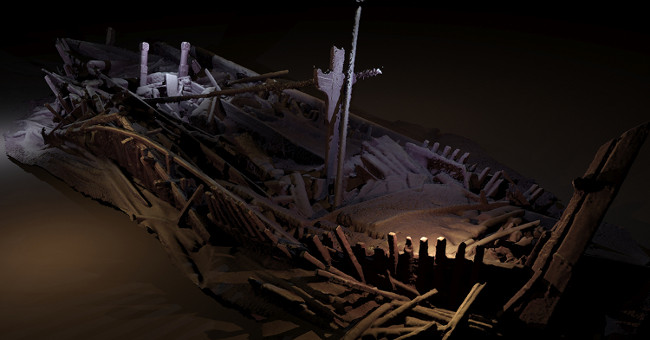
One of the world's largest undersea archaeological projects ended yesterday, after a three-year expedition revealed more than 60 ancient wrecks.
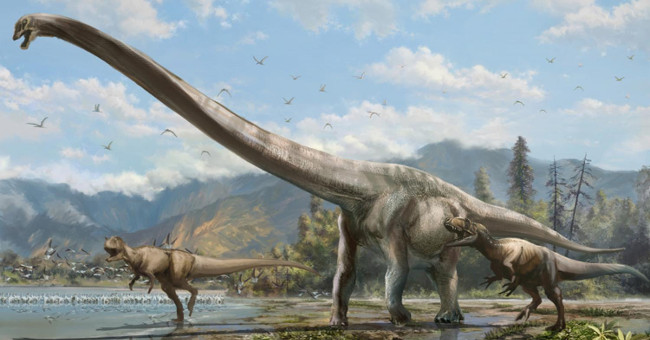
Scientists have studied and hypothesized that if the collision does not occur or occur with less destructive power, now how dinosaurs will evolve and live, according to…
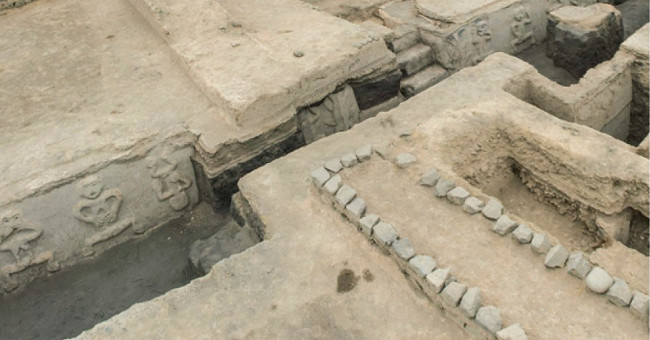
The clay figures show the skeleton or the dying ones in a cataclysm attack the communities living in this coastal area a few thousand years ago.

Archaeologists at the University of Toronto, Canada discovered the remains of a 3,000-year-old statue in Turkey that could change the way women perceive their role in an…
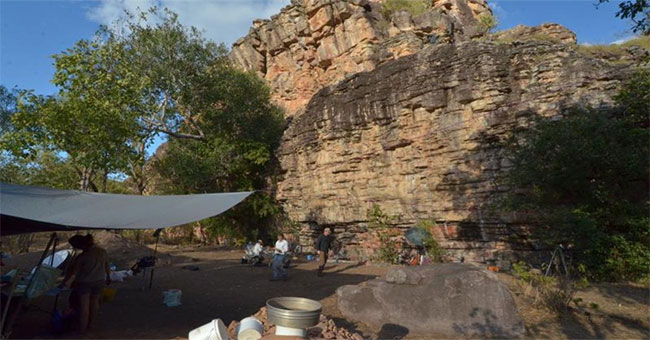
This is the result of a study published July 20 after archaeologists found axes and grindstones at a cave in Australia's far north.
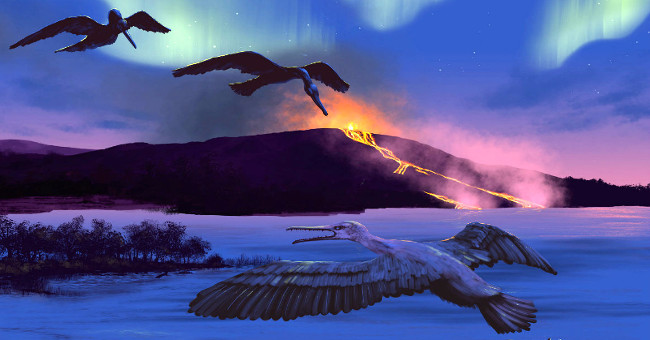
Scientists discovered the 90-million-year-old fossil of a new winged bird over a meter long and sharp teeth in Canada's Arctic region.

Many people discovered treasure of gold, silver, diamonds and objects worth millions of dollars in extremely unexpected circumstances.
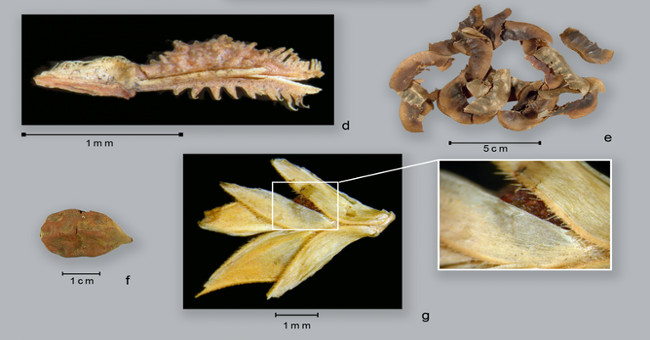
Ancient people could use a heat-resistant pot to cook plants 10,000 years ago, a step forward to help form a permanent settlement towards a modern civilization.

According to Science Alert, the study focused on learning about one of the most remote areas, Oceania, where there are signs of human habitation about 3,400 years ago.
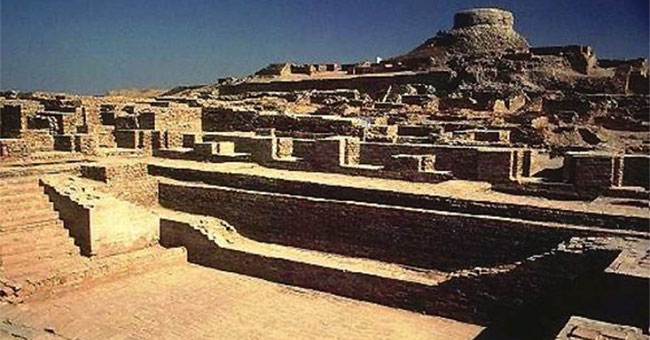
It was not until 2012 that archaeologists explained the cause of the collapse of the Indus civilization - one of the first major cities in the world.