New technology
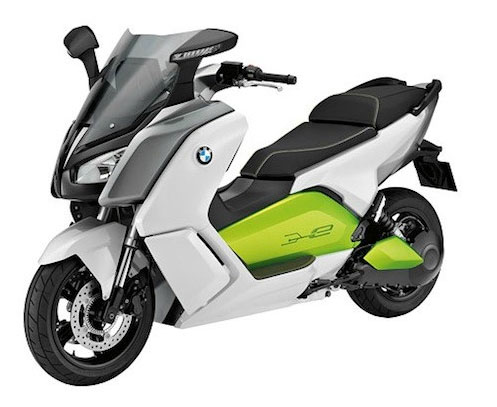
BMW's new electric scooter model
After a busy time launching Scooter E and developing Concept e, BMW Motorrad recently unveiled a new line of electric scooters coming into production called the C evolut…
Browse ScienceInfo articles and explainers related to Charge.
251 published items.
After a busy time launching Scooter E and developing Concept e, BMW Motorrad recently unveiled a new line of electric scooters coming into production called the C evolut…
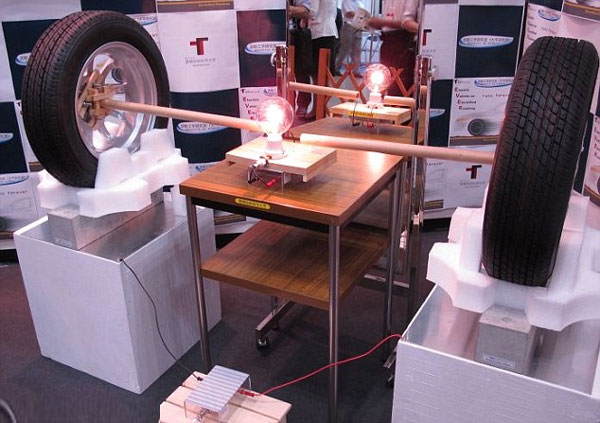
In an effort to reduce the dependence on gasoline, Japanese scientists have successfully researched and tested the method of helping the car recharge while running on co…
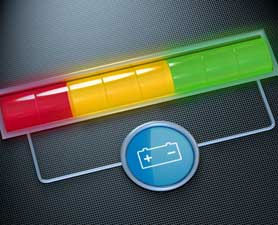
UK researchers have reached an important milestone in developing a lithium-air battery that promises to be 3-5 times larger than lithium-ion batteries. we use on electri…
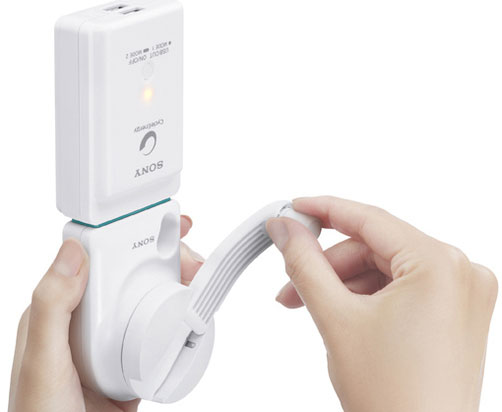
According to The Verge, the CL-A2LAS has a capacity of 4,000mAh, which is designed with the user's hands to power up and charge the mobile device via a USB connectio…

This finding is published in the journal Physical Review Letters and the proofreading can be read on the Cornell University website, while more detailed, on the CERN web…
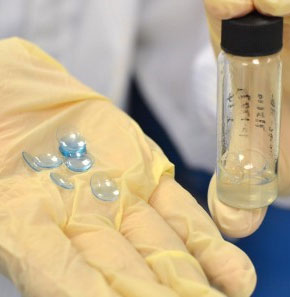
Under the microscope, the structure of the polymer coating is like a sponge. Positive charge on the surface of the mantle will attract bacteria like a magnet because the…
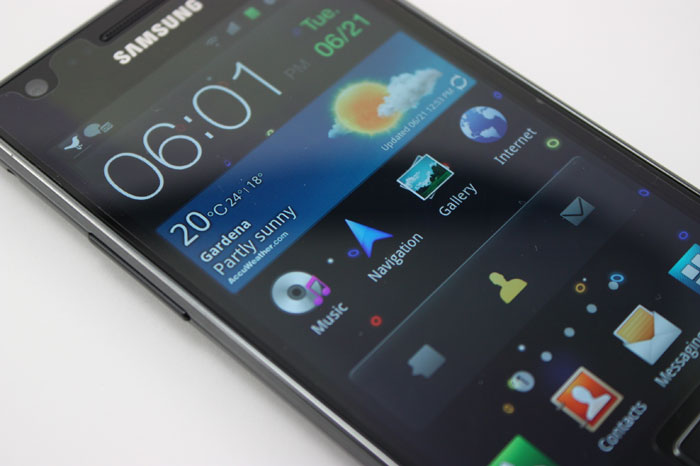
A foggy UK researcher has initially succeeded in creating a solar cell grid that absorbs the light emitted by the OLED screen on a mobile phone to charge the battery. .
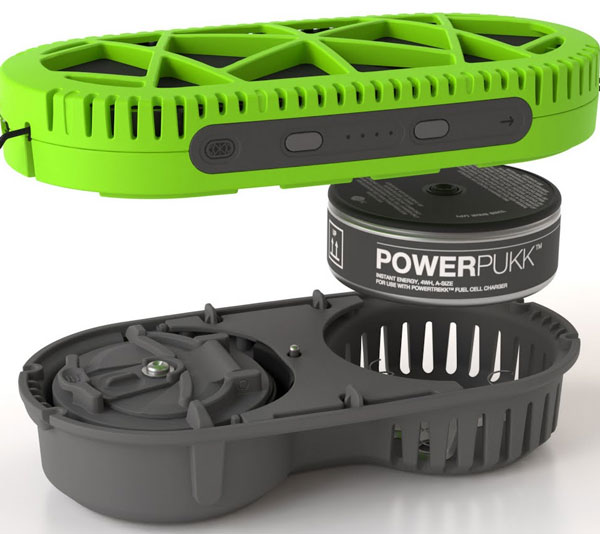
Inventions are of great significance to those who do not have access to electricity, Dailymail reported.
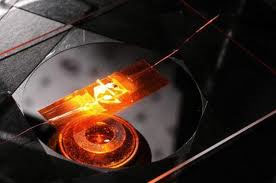
Researchers at the Georgia Institute of Technology used zinc oxide microfibers to significantly improve the efficiency of ultraviolet light emitting diodes.

The team of Nano Scientists and Research Scientists led by Dr. Xie Xian Ning, National University of Singapore, has developed: soft, foldable membrane using a PS plastic.
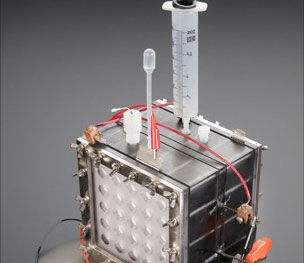
US scientists have found a technology to help bacteria made of bacteria capable of providing energy and can produce an infinite source of hydrogen.
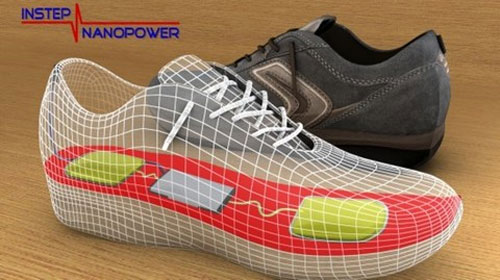
Recently, US scientists have successfully developed a self-generated energy system that is integrated into the shoes used for daily activities.

Korean scientists have developed a technology that converts the sound into electricity, which can then be charged by the user's mobile phone.
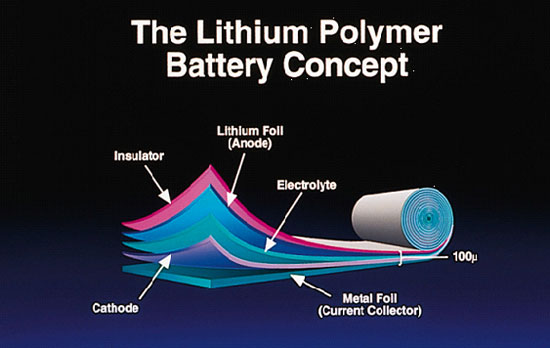
US scientists have found that lithium-ion batteries or nickel metal hydride batteries are often degraded during operation as they are charged and discharged quickly.

New Zealand scientists have created an artificial muscle that makes robots more flexible and more human, according to New Scientist.