Oceanography
The first group of animals on Earth to glow
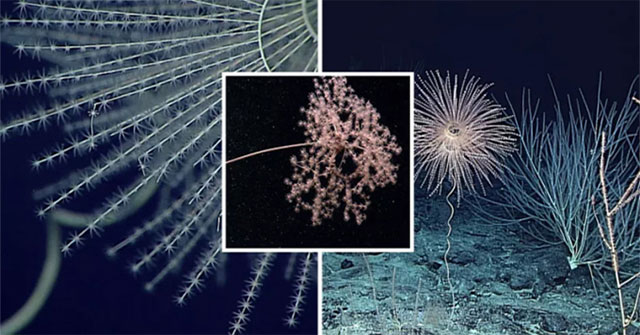
Bioluminescence, the ability of organisms to produce light through chemical reactions, may have appeared 540 million years ago in deep-sea corals.
Browse ScienceInfo articles and explainers related to Chemical.
1,184 published items.
Bioluminescence, the ability of organisms to produce light through chemical reactions, may have appeared 540 million years ago in deep-sea corals.
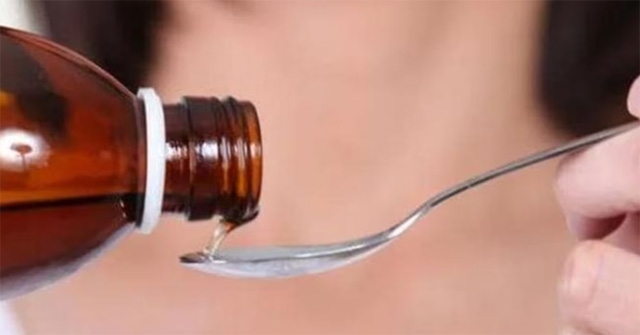
Hundreds of children have died since the end of 2022, due to using cough syrup contaminated with the toxic chemical ethylene glycol (EG).

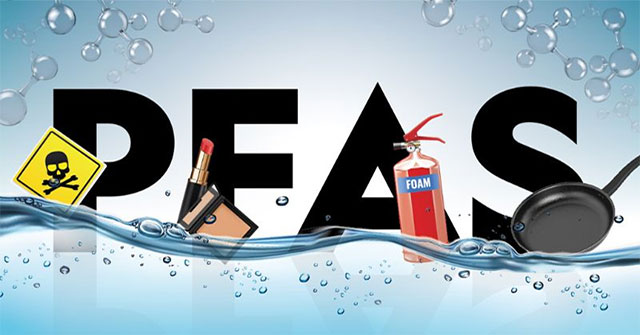
A new US study found worrying levels of the permanent chemical PFAS in many types of seafood.

Bombs containing the compound Amatol from decades ago are becoming more dangerous because the substance is increasingly sensitive to impacts.

These foods are loved by many people, however they are not good, and are even very harmful to the body if eaten too much.
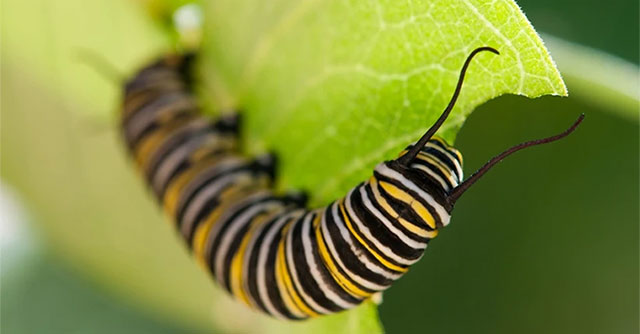
Scientists have discovered that when faced with danger such as pests, plants have the ability to spread a volatile compound around to warn healthy plants to activate def…

More than 16,000 chemicals exist in plastic products, from food packaging, children's toys to medical equipment...
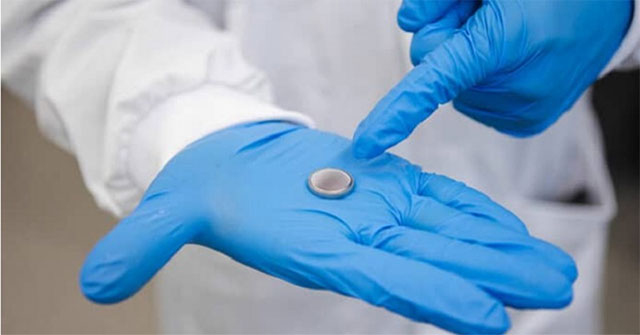
By replacing the dangerous chemical electrolytes used in conventional batteries with water, scientists create

Scientists have developed a method that significantly restores a battery's original capacity after degradation due to many charge-discharge cycles.
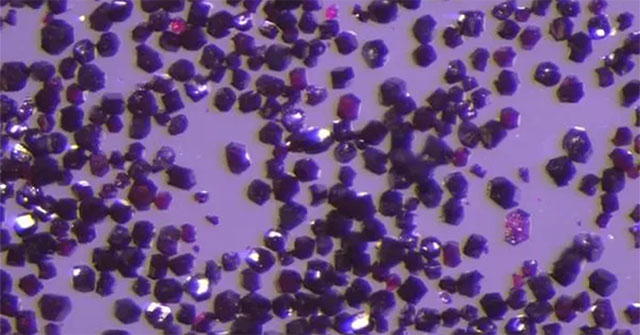
A new material that promises to remove some harmful substances from the air has been created by a team of scientists from the University of Limerick (UL) in Ireland.

If a large enough amount of gallium enters the abdomen, it will react with stomach acid and produce toxic substances that can be fatal.

Ethylene oxide (EO) with the chemical formula C2H4O is widely used as an agent for sterilizing supplies in the medical field.

Certain chemicals produced by gut bacteria during the processing of red meat can cause inflammation and blood clotting, increasing the risk of heart disease and stroke.
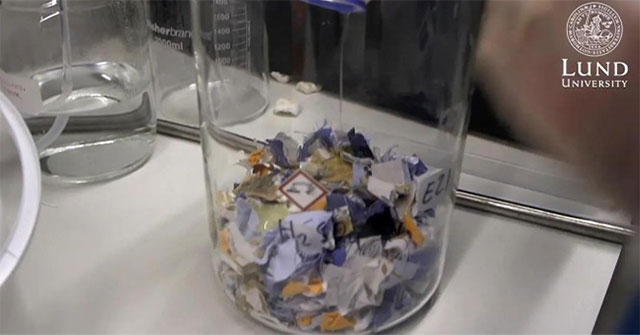
The new method converts waste cotton fabric into sugar, which can be used to make spandex, nylon or ethanol.