Environment
Have you found a way to 'lock' faster carbon against climate change?
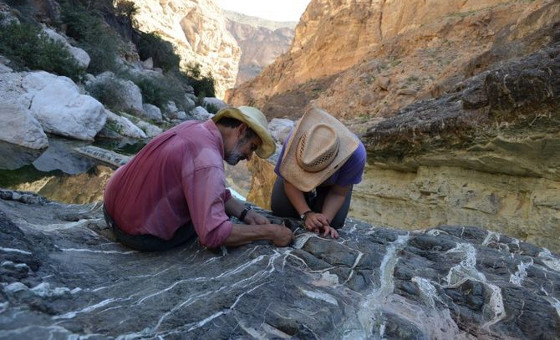
The process of locking carbon in water or stone is understood as the process of carbon absorption. The chemical evolution is related to some complex chemical reactions.
Browse ScienceInfo articles and explainers related to Chemical.
1,184 published items.
The process of locking carbon in water or stone is understood as the process of carbon absorption. The chemical evolution is related to some complex chemical reactions.
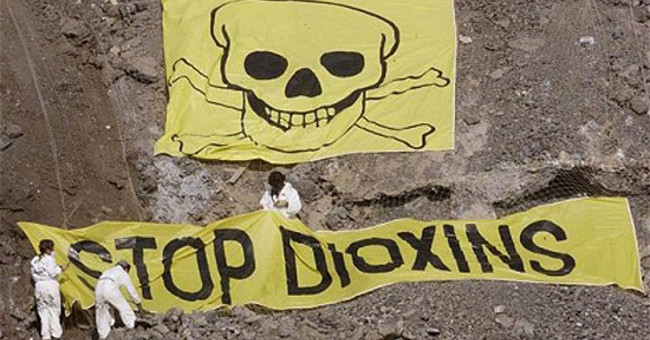
During the Vietnam war, especially from 1965 to 1971, the US empire used many types of herbicides and defoliants to destroy us in terms of military and economy.
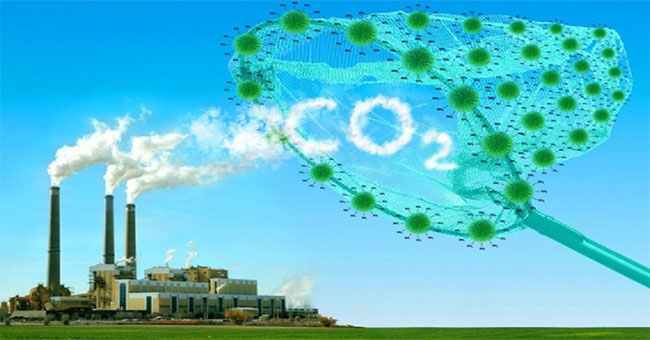
An Indian chemical factory has successfully run a system to recycle CO2 emissions and convert this gas to produce baking soda.
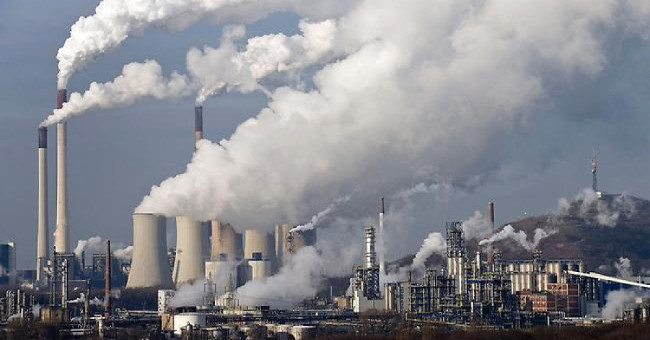
In the article, McDonough points out that carbon is not a chemical element for us to say bad. On the contrary, it is an essential part of life on Earth.
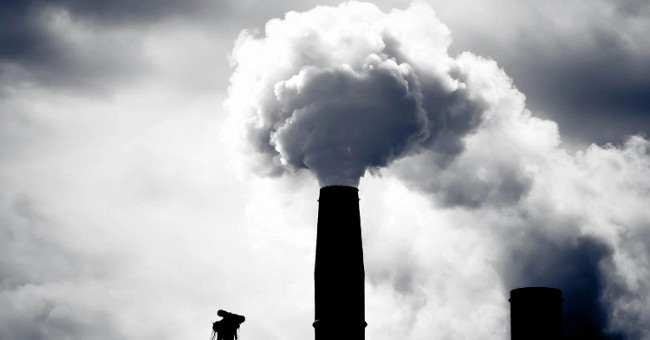
Scientists have turned CO2 into hard rock by introducing high-pressure CO2 solution into basalt. Natural chemical reactions will do the rest.

Each of our breaths carries toxins from polluted air into the lungs, but the amount of toxins that blood absorbs from the lungs is very small.

Since its appearance in 1946, the technology of artificial rain has been widely applied in many countries around the world to help combat droughts, reduce air pollution,…
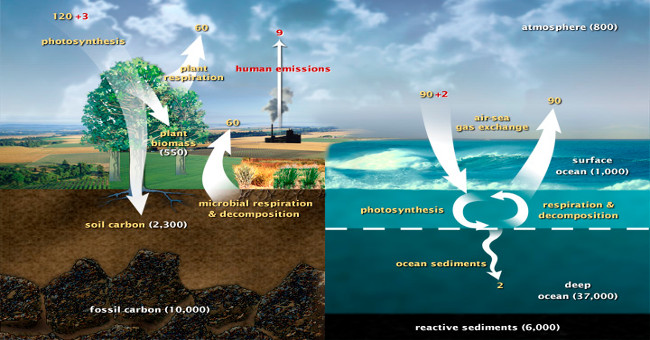
We often talk about carbon, about how it pollutes the environment ... but do you know how carbon is made and where it is stored on Earth?
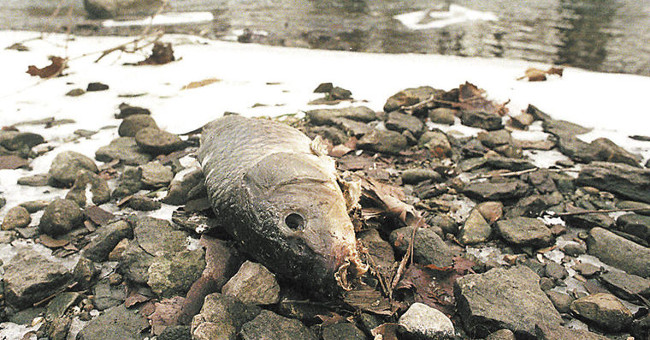
The discharge of chemicals into rivers and oceans or oil spills in the sea causes long-term consequences for humans and the habitats of many aquatic species.
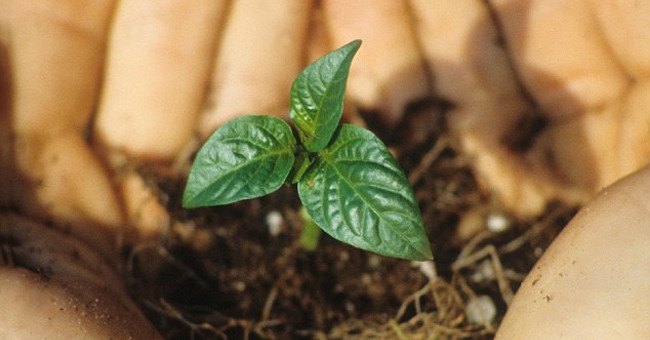
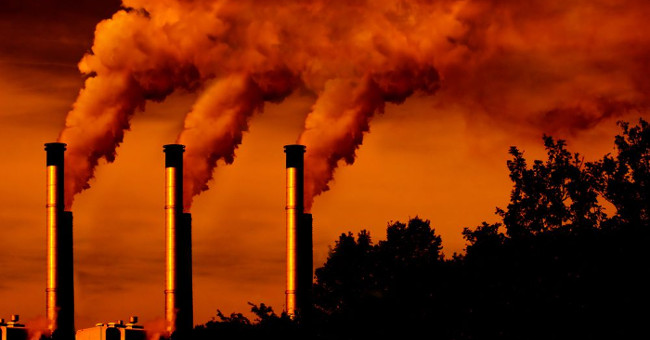
For the first time, scientists have overcome the difficulty of separating raw biomass without using chemicals, and have produced a record-high amount of liquid hydrocarb…
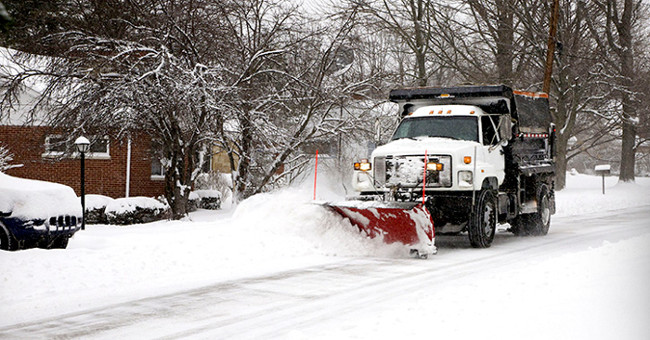
Ice surface formation on asphalt roads in winter can cause unavoidable accidents.

The house spiders with long strides with small mice appear massively in families in England this summer.
A chemical explosion in the northern part of Spain created orange poisonous clouds covering the sky.
The latest research shows that there exists a chemical relationship of the stratigraphic layer developed after millions of years with the formation of mineral-rich sedim…