
Discover science
6 horror and extreme experiments that scientists have done with themselves
Many scientists have had to stand by themselves as objects for dangerous experiments, to help humanity grow more and more.
Browse ScienceInfo articles and explainers related to Chemical.
1,184 published items.
Many scientists have had to stand by themselves as objects for dangerous experiments, to help humanity grow more and more.
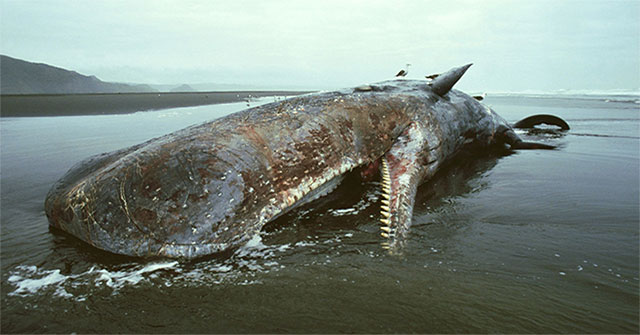
Have you ever wondered what a whale died of old age?

Scientists at Brown University in the US have found a way to encode and decode images, not by microchips, but by small molecules, with an accuracy of 99.5%.
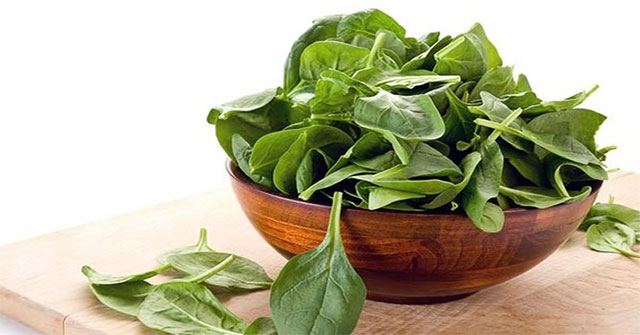
Popeye sailor is famous for chewing up vegetables and dozens of spinach boxes to improve his fitness, and the latest scientific research shows that it is no coincidence…
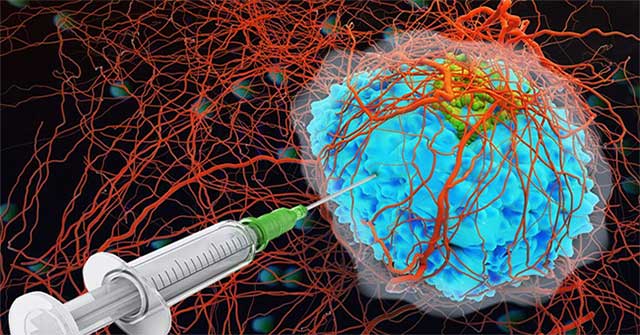
US scientists have identified a lumican protein molecule that can bind chemicals that kill cells into cancer tissue, opening up the possibility of developing a low-toxic…
Vomiting is a natural mechanism that helps purify toxic substances in the stomach to protect the body.
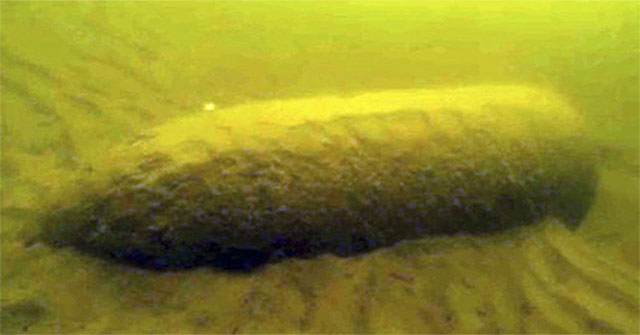
The bottom of the Baltic Sea is hiding a source of rusting ammunition, enough to destroy the population of some major cities.
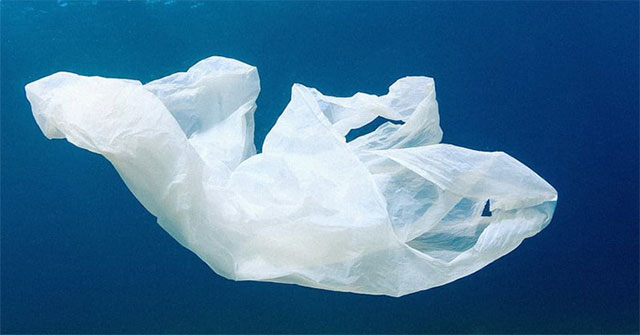
Two female students have discovered a method to turn plastic into chemicals, compounds, water and are in the final pilot phase.
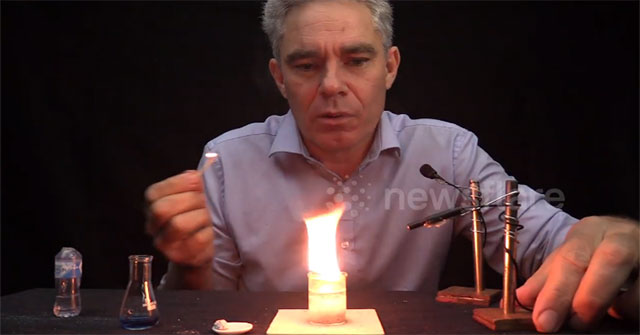
Unlike the usual ASMR topics, ASMR videos and chemical experiments bring a much more novel sound experience.
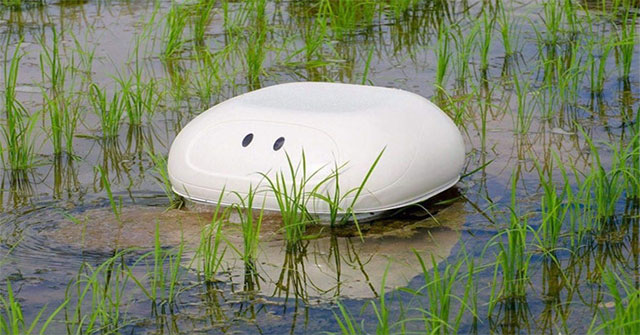
Robot Aigamo simulates the duck's natural activity, thereby helping farmers to destroy weeds, protect crops without using chemicals.

The phenomenon of virtual green tears is spreading in the East China Sea, poisoning many marine organisms and can cause illness for humans.
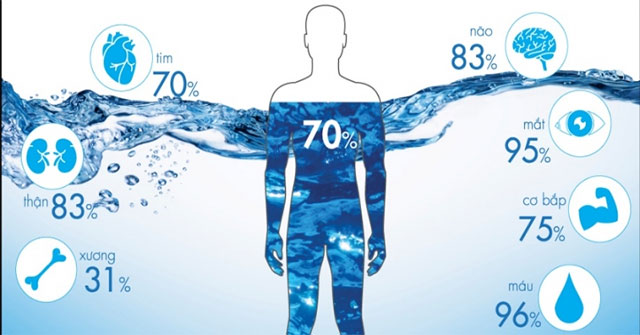
Tomsk Polytechnic University's research team (TPU) and Pavlodar National University of Education (PSPU) have identified the composition of water in human bodies, animals…
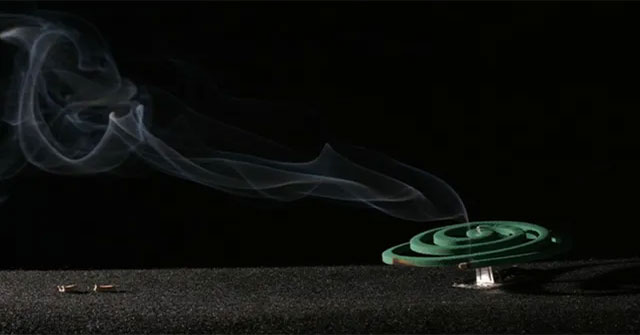
Scientists have come up with a list of items we are using every day that contain toxic substances that can cause serious illness.
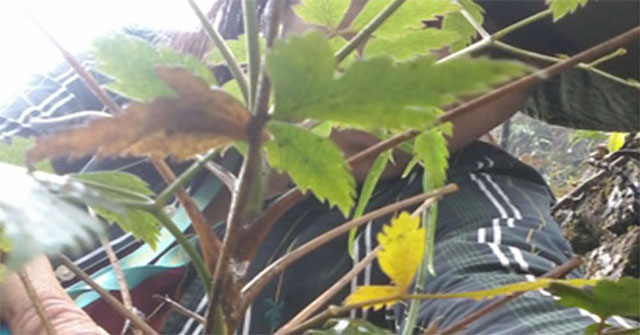
Spoon is a wood chemical found in Ha Giang, has biological activity that is toxic to lung, breast, liver, prostate cancer cells.

The chemical group mentioned is a full name, per- and polyfluoroalkyl (PFAS). PFAS used to be very popular in the United States starting in the 1940s, thanks to many pre…