Science invention
An invention that has been praised for decades turns into a disaster
In the early 20th century, Thomas Midgley Jr. personally demonstrated the safety of leaded gasoline and CFC refrigerants, making them commercially successful.
Browse ScienceInfo articles and explainers related to Chlorofluorocarbon.
12 published items.
In the early 20th century, Thomas Midgley Jr. personally demonstrated the safety of leaded gasoline and CFC refrigerants, making them commercially successful.
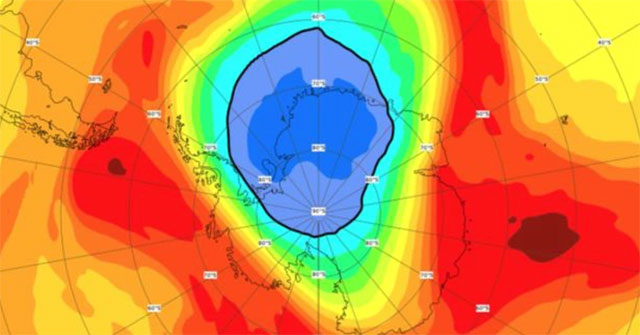
The restoration of the ozone layer in Antarctica cannot be taken for granted and requires constant vigilance.
Observations by scientists over the past few months show that ozone depletion in the Arctic has reached a record, according to the World Meteorological Organization (WMO…
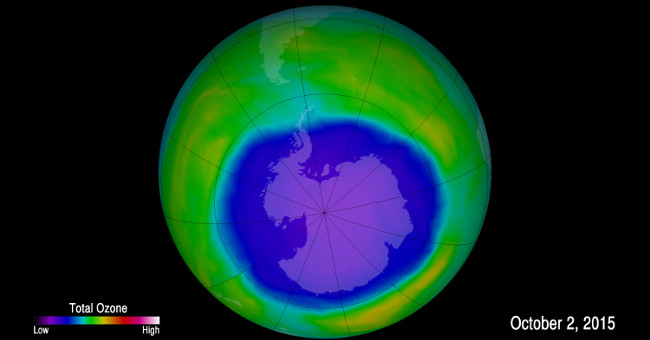
A recent study shows that the ozone layer in the Antarctic is beginning to shrink.
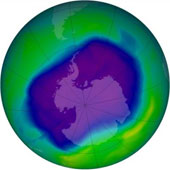
A new study found that four new artificial gases have appeared in the atmosphere.
Scientists say that the ozone layer is gradually shrinking and may disappear by 2070.
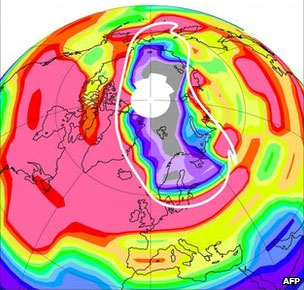
According to scientists, ozone holes have recently appeared in the Arctic region. At an altitude of about 20km from the ground, ozone concentrations decreased by 80%.
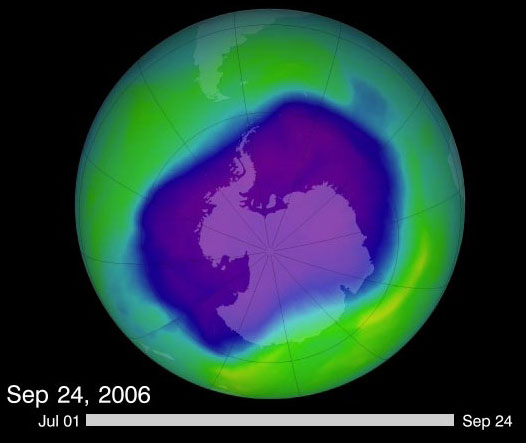
Scientists discovered ozone holes in Antarctica that are in the process of self-sufficiency, at least a decade earlier than they had previously expected.
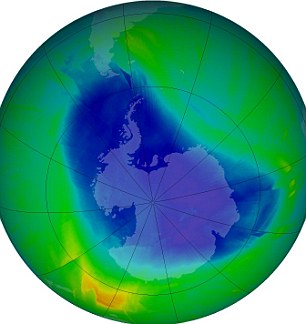
The ozone layer is tending to be very small and is able to restore the situation in 1980 in the middle of this century, according to a recent report by UN scientists.

Research published recently said that the gas used in curing teeth - another name for nitrous oxide - is currently the biggest threat to the Earth's ozone layer.

Starting from January 1, 2010, all CFCs (clorofluorocarbon) degrade ozone layer will be banned from importing into Vietnam.
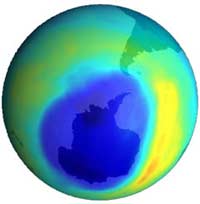
Ozone holes in Antarctica are beginning to shrink in the future and may disappear by 2050 due to chlorofluorocarbons (CFC) emissions reductions and other gases that weak…