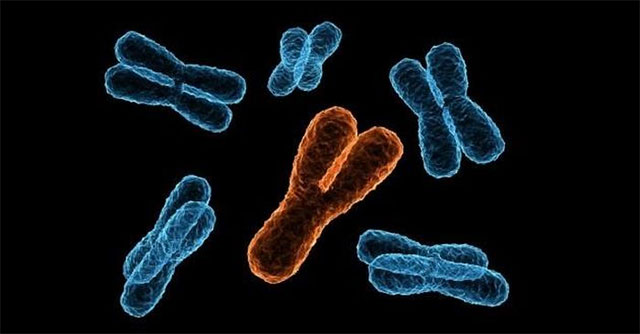
Health
The Y chromosome is gradually disappearing, predicting that men have a new sex gene
The sex of a fetus in humans and other mammals is determined by a male-determining gene on the Y chromosome.
Browse ScienceInfo articles and explainers related to Chromosome.
152 published items.
The sex of a fetus in humans and other mammals is determined by a male-determining gene on the Y chromosome.

Chinese scientists have successfully decoded the chromosome-level genome of the rare Tibetan antelope, with the aim of discovering the secret to their survival at high a…
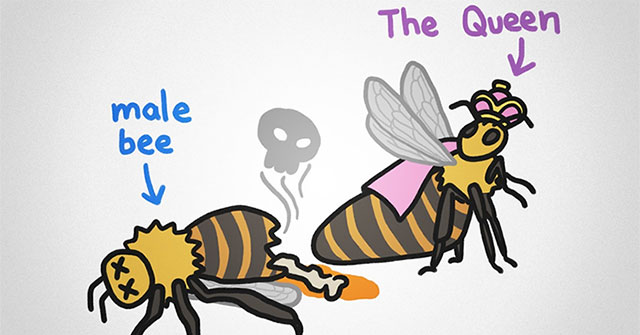
Male bees usually die after mating with the queen bee, but even if they survive, they cannot become a

Scientists have discovered the oldest known sex chromosomes in octopuses and squids from 455 million to 248 million years ago - 180 million years earlier than the previo…
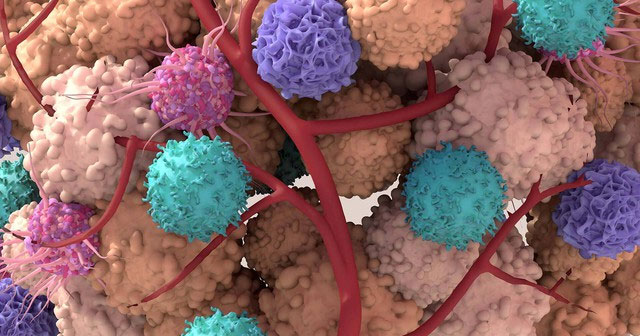
Cancer is a terrible disease that kills millions of people every year.

Scientists have found that miscarriages are often caused by the wrong number of chromosomes, also known as 'selfish chromosomes'.

A team of experts from the US National Human Genome Research Institute has published the first complete human genome, completing the work of previous scientists.
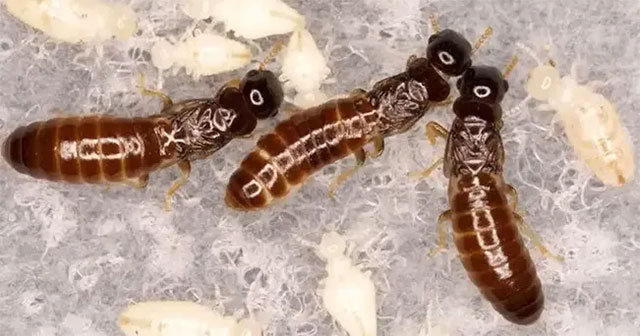
An international team of scientists says the drywood female termite community from Japan is the result of random breeding.
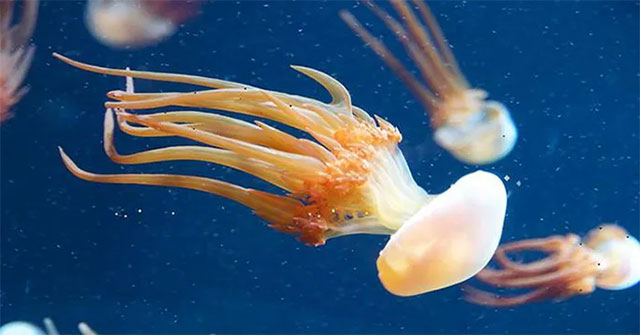
On the outside, they are ordinary modern sea creatures, but inside are chromosomes with an ancient structure preserved from 600 million years ago.

The colorful animal world always makes us go from surprise to surprise, including that many animals can reproduce generations without the need for male sperm.

Chimpanzees are thought to have 48 chromosomes, humans have 46, and Oliver the chimpanzee has 47.

Scientists have used gene-editing technology to create litters of all-female or male mice and are targeting chickens to prevent indiscriminate killing.
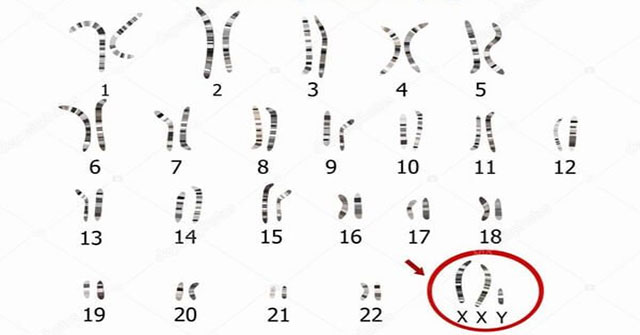
Klinefelter XXY syndrome occurs in about 1/5000 male babies alive. Possible manifestations: undeveloped testes, infertility, learning difficulties, language delay ...

The separation of X chromosomes and Y chromosomes is difficult because there are no functional differences between these chromosomes.

Spanish geneticists have demonstrated that the length of lelomere (the repeat sequence of DNA at chromosome ends) reflects the average lifespan of not only humans, but a…